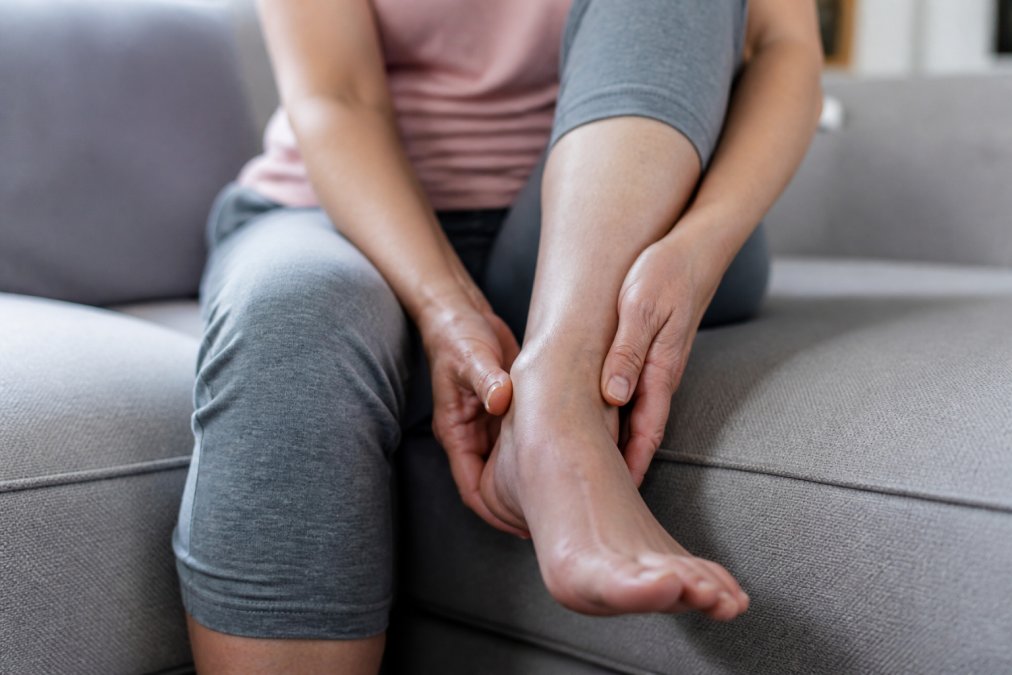
 ultimate-guide
Signs of Poor Circulation: Symptoms to Watch
Table of Contents
- What Are the Signs of Poor Circulation?
- Common Symptoms You Shouldn't Ignore
- Underlying Causes and Risk Factors
- How to Improve Circulation Naturally
- Foods That Improve Blood Circulation
- Exercises for Better Blood Flow
- When to Seek Medical Attention
- Frequently Asked Questions
Last Updated: September 27, 2026
What Are the Signs of Poor Circulation?
Poor circulation occurs when blood doesn't flow efficiently through your arteries and veins, depriving tissues of oxygen-rich blood they need to function properly. This condition can develop gradually, making it easy to miss early warning signs. Understanding how critical healthy circulation is to overall wellness and daily comfort, which is why recognizing symptoms early matters so much.
The signs of poor circulation symptoms vary depending on which blood vessels are affected and how severely blood flow is restricted. Some people experience mild discomfort, while others face more serious complications if left untreated. Understanding what to watch for helps you take action before the problem worsens.
Blood circulation delivers oxygen and nutrients to every cell in your body. When this system falters, your extremities suffer first. Your hands, feet, legs, and arms are farthest from your heart, making them vulnerable to inadequate blood supply. That's why most people notice symptoms in these areas before anywhere else.
Common Symptoms You Shouldn't Ignore
The most recognizable signs of poor circulation symptoms include numbness and tingling in your hands and feet, particularly during or after physical activity. This sensation often feels like pins and needles, especially when you've been sitting or lying in one position for an extended period. Cold extremities are another hallmark sign, your hands and feet stay cold even when the rest of your body feels warm.
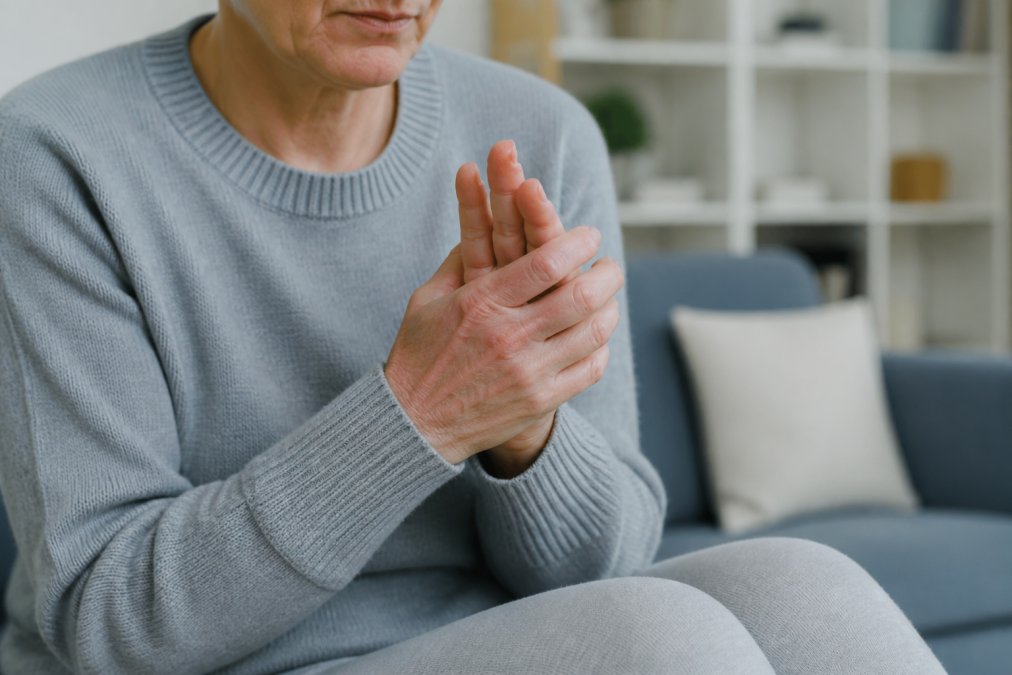
Muscle cramps, especially in your legs during exercise or at night, signal that muscles aren't receiving enough oxygen-rich blood. These cramps often worsen with activity and improve with rest. Discoloration of the skin, particularly a bluish or purplish tint known as cyanosis, indicates oxygen deprivation in affected areas.
Watch for non-healing wounds or sores on your feet and legs. Poor circulation slows healing because damaged tissue needs adequate blood flow to repair itself. Varicose veins, those twisted, enlarged veins visible beneath the skin, represent venous insufficiency where blood struggles to return to your heart efficiently.
Weak pulse in your wrists, ankles, or behind your knees suggests arterial blockage or reduced blood flow. You might also notice skin that appears shiny, thin, or hairless on affected limbs. Edema, swelling in your legs, ankles, or feet, develops when fluid accumulates because blood isn't circulating properly.
Underlying Causes and Risk Factors
Several conditions trigger poor circulation. Peripheral artery disease occurs when plaque buildup narrows arteries, restricting blood flow to your limbs. Atherosclerosis, the hardening and narrowing of arteries, develops over years as cholesterol and other substances accumulate on artery walls. Deep vein thrombosis, a blood clot in a deep vein, can partially or completely block blood flow.
Venous insufficiency happens when valves in your veins weaken, allowing blood to pool instead of flowing back to your heart efficiently. Vasoconstriction, when blood vessels narrow abnormally, reduces the space available for blood to flow through. This can result from cold exposure, stress, or underlying vascular conditions.
Risk factors that increase your likelihood of developing poor circulation include smoking, which damages blood vessel walls and promotes plaque formation. Diabetes affects blood vessel function and accelerates atherosclerosis. High blood pressure forces your heart to work harder and damages arterial linings over time. High cholesterol contributes to plaque buildup. Obesity puts extra strain on your cardiovascular system. A sedentary lifestyle weakens your vascular health because movement stimulates blood flow.
Age plays a role, circulation naturally becomes less efficient as you grow older. Family history matters too; if parents or close relatives experienced circulatory problems, your risk increases. Certain autoimmune conditions and blood disorders also compromise circulation.
How to Improve Circulation Naturally
Start by increasing physical activity. Regular movement, even gentle activity like walking for 30 minutes most days, stimulates blood flow and strengthens your cardiovascular system. Exercise helps your body develop new blood vessels and improves oxygen delivery to tissues. Movement also prevents blood from pooling in your legs.
Elevate your legs when sitting or lying down. This simple position change helps blood flow back toward your heart against gravity. Spend 15-20 minutes with your legs elevated above heart level several times daily, especially if you notice swelling or heaviness.
Manage stress effectively. Chronic stress causes vasoconstriction, narrowing blood vessels and reducing blood flow. Meditation, deep breathing exercises, or yoga can help relax your nervous system and improve circulation. Even 10 minutes of focused breathing daily makes a difference.
Stay hydrated. Dehydration thickens your blood, making it harder for your heart to pump efficiently. Drink adequate water throughout the day; most adults benefit from eight to ten glasses daily. Proper hydration keeps blood viscosity at healthy levels.
Avoid prolonged sitting. If your work requires sitting, take movement breaks every hour. Stand, stretch, or walk for five minutes to prevent blood from pooling in your lower extremities. Compression socks can also help during long periods of immobility.
Quit smoking immediately if you smoke. Smoking damages blood vessel linings, promotes plaque formation, and causes vasoconstriction. Stopping smoking improves circulation within weeks as your blood vessels begin healing.
Manage your blood pressure and cholesterol through diet and, if necessary, medication. These two factors significantly impact arterial health and blood flow efficiency.
Home-Based Circulation Monitoring
Tracking your own circulation at home empowers you to notice improvements or warning signs between doctor visits. These simple techniques require no special equipment and take just minutes.
Pulse Check: Locate your radial pulse on the inside of your wrist (thumb side) using your index and middle fingers. Count the beats for 60 seconds, or count for 15 seconds and multiply by four. A normal resting heart rate ranges from 60-100 beats per minute. A consistently elevated resting pulse may indicate your cardiovascular system is working harder, while a strong, steady pulse suggests good arterial flow. Check your pulse at the same time each day for consistency.
Capillary Refill Test: Press your fingernail or toenail firmly until the nail bed turns white, then release. Count how many seconds it takes for color to return, normally 2-3 seconds. Slower refill (more than 3 seconds) suggests reduced blood flow to that area. Compare both hands and both feet; asymmetrical refill times warrant medical evaluation.
Skin Temperature and Color: Compare the temperature of your feet and legs by touching them with the back of your hand. One foot significantly colder than the other may indicate reduced arterial flow on the cold side. Note any new discoloration, bluish, purplish, or pale patches, which signal oxygen deprivation. Take photos weekly to track changes objectively.
Leg Elevation Test: Lie on your back and elevate your legs to a 45-degree angle for one minute, then sit up with your legs dangling. In healthy circulation, your feet should return to normal color within 10 seconds. If they remain pale for 30 seconds or longer, or if they become deep red or purple when dangling, this suggests arterial insufficiency and warrants medical evaluation.
Swelling Assessment: Press your thumb into the skin on your shin or ankle for 5 seconds, then release. If the indentation remains visible for more than 2 seconds (called pitting edema), fluid is accumulating due to poor venous return.
Foods That Improve Blood Circulation
Incorporate foods rich in nitrates, which relax blood vessel walls and improve blood flow. Leafy greens like spinach, kale, and arugula contain high nitrate levels. Beets are particularly powerful, their natural nitrates convert to nitric oxide in your body, a compound that dilates blood vessels.
Exercises for Better Blood Flow
Walking is one of the most accessible and effective exercises for circulation. A brisk 30-minute walk most days activates leg muscles, which pump blood back toward your heart. Start with a comfortable pace and gradually increase intensity.
When to Seek Medical Attention
Contact a healthcare provider if you develop sudden numbness, weakness, or paralysis on one side of your body, which could indicate a stroke (the CDC). Severe chest pain or shortness of breath warrant immediate emergency care. Sudden severe pain in your leg, especially with swelling and warmth, might indicate deep vein thrombosis.
Diagnostic Tests Your Doctor May Order
Your healthcare provider will likely begin with a physical examination, checking pulses in your wrists, ankles, and behind your knees to assess blood flow strength. They may perform a simple capillary refill test, pressing your fingernail or toenail until it blanches, then releasing to see how quickly color returns (normally 2-3 seconds; slower refill suggests poor circulation).
Frequently Asked Questions
Can you fix bad circulation?
Yes, many cases of poor circulation improve significantly with lifestyle changes. Increasing physical activity, improving diet, quitting smoking, and managing stress can restore healthy blood flow. Severe cases involving arterial blockage or venous insufficiency may require medical treatment, so consult a vascular specialist if symptoms persist despite lifestyle modifications.
How can I tell if I have poor leg circulation?
Poor leg circulation often presents as numbness and tingling, cold feet or lower legs, muscle cramps during activity (claudication), or pain that worsens when walking. You may notice discoloration, weak pulses in the feet, or slow capillary refill when you press your toenail. Non-healing wounds or swelling (edema) in the legs are also red flags. If you experience any combination of these signs of poor circulation, especially with varicose veins or a sedentary lifestyle history, contact a healthcare provider for diagnostic imaging such as doppler ultrasound.
What are some home remedies for improved blood circulation?
Start with movement: even 20-30 minutes of walking daily improves oxygen-rich blood delivery. Elevate your legs when resting to reduce edema. Stay hydrated to support vascular health. Incorporate foods rich in nitrates (beets, leafy greens) and omega-3 fatty acids (fatty fish, walnuts) to support healthy blood flow. Compression therapy using compression socks can help with venous insufficiency. Manage blood pressure and avoid smoking, as both directly affect how well your body delivers oxygen to tissues.
What are some good exercises for improving blood circulation?
Low-impact aerobic exercise works best: brisk walking, swimming, and cycling increase heart rate and oxygen delivery without stressing joints. Resistance training builds muscle, which improves vascular function. Yoga and stretching enhance flexibility and reduce vasoconstriction. Aim for 150 minutes of moderate activity weekly. Even brief movement breaks throughout the day, standing, walking stairs, or light stretching, combat the effects of a sedentary lifestyle. Start gradually if you have existing circulatory issues, and avoid intense exercise if you experience claudication or chest pain.
Poor circulation doesn't have to limit your activities or comfort. By recognizing the early signs of poor circulation symptoms and taking action through lifestyle modifications, dietary improvements, and targeted exercise, you can significantly enhance your vascular health. Flu-Jack supports your wellness journey with natural ingredients specifically formulated to promote healthy circulation and immune function. Shop now and take the first step toward better circulation and everyday vitality.