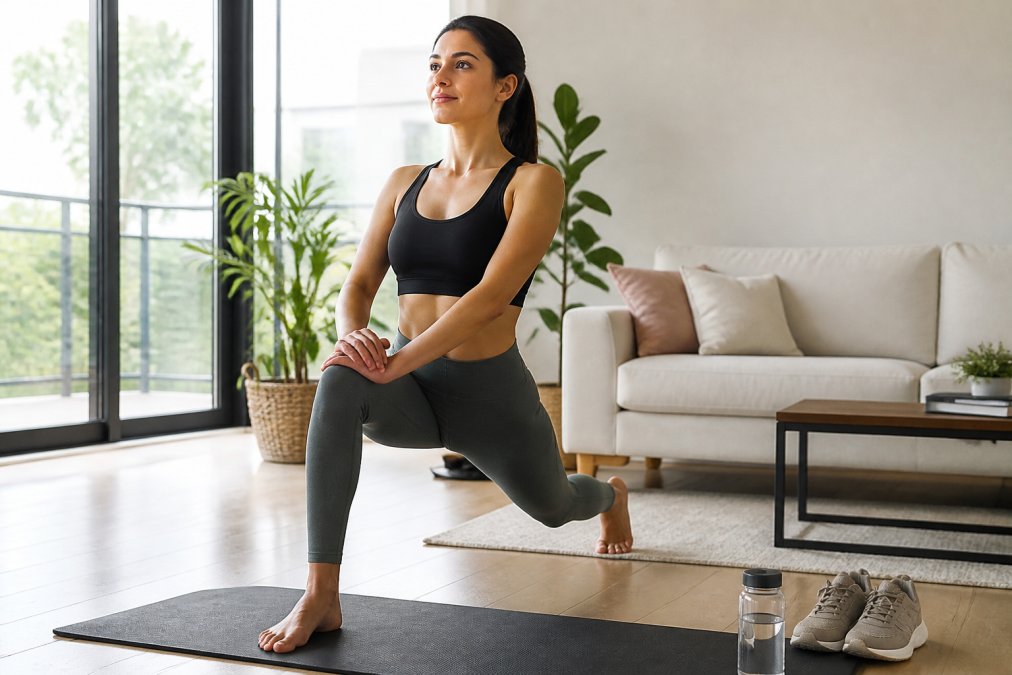
 how-to
How to Improve Circulation Naturally: 7 Proven Steps
Table of Contents
- How to Improve Circulation Naturally: What Actually Works
- Symptoms of Poor Circulation in Legs You Should Not Ignore
- Exercises for Better Circulation You Can Do at Home
- Foods That Improve Blood Circulation and Support Vascular Health
- Hydration, Warmth, and Compression: Small Habits With Real Payoff
- Ergonomics, Breathwork, and Seasonal Shifts: Angles Most Guides Skip
- When to See a Doctor About Your Circulation
- Frequently Asked Questions
Last Updated: September 12, 2026
How to Improve Circulation Naturally: What Actually Works
Cold hands and feet are often the first signal that blood is struggling to reach your extremities. This guide from Flu-Jack covers how to improve circulation naturally, and it starts with a simple truth: the most effective fixes are daily habits that support your blood vessels, your heart, and your entire circulatory system.
The American Heart Association's guidance on physical activity is clear that regular movement supports cardiovascular health at every age. Below, we break down seven proven steps, from exercise and diet to compression and breathwork, so you can build a routine that actually sticks.
Why Blood Flow Slows Down in the First Place
Blood flow slows when vessels lose flexibility, the heart pumps less efficiently, or something blocks the return of blood from your legs. A sedentary lifestyle is a major culprit: when you sit for hours, your calf muscles stop acting as pumps that push blood back toward your heart, and lower-body circulation suffers (peer-reviewed research).
Other common drivers include smoking, dehydration, excess weight, and chronic stress. Each affects your blood vessels differently, but they share a result: your arteries and veins have to work harder to move oxygen and nutrients where they are needed.
Symptoms of Poor Circulation in Legs You Should Not Ignore
The most common symptoms of poor circulation in legs are cold feet, numbness, tingling, swelling, and a heavy or achy feeling after standing (the CDC). They often appear gradually, so many people dismiss them until they become persistent.
Watch for these warning signs:
- Cold hands or feet even in warm rooms
- Throbbing or cramping in the legs during walking
- Swelling in the ankles and feet by the end of the day
- Pale, blue, or shiny skin on the legs
- Slow-healing wounds or sores on the feet
A common mistake is assuming these symptoms are just part of getting older. They often point to an underlying issue worth discussing with a doctor, especially if they appear suddenly or affect one leg more than the other.
Exercises for Better Circulation You Can Do at Home
Exercises for better circulation are the single most reliable natural tool you have. Movement squeezes your veins and pushes blood back toward the heart, and it takes far less time than most people expect. The key is matching the movement to your situation: a desk worker with cold feet needs something different from someone managing varicose veins.
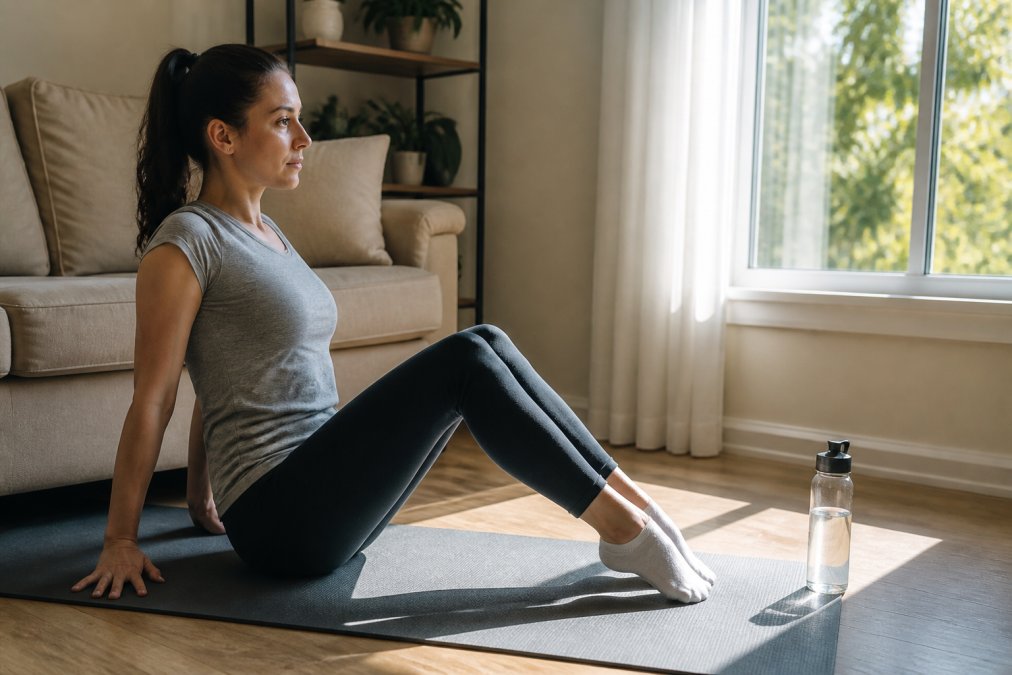
Why Movement Works: The Calf Muscle Pump
Your calf muscles act as a "second heart." Every time you contract them, they squeeze the deep veins in your lower legs and push blood upward against gravity, while valves keep it from sliding back down. When you sit for hours, the pump goes quiet, blood pools in your ankles, and your feet feel cold and heavy. Reactivating that pump is the fastest natural fix for lower-body circulation.
A 10-Minute Daily Routine for Stiff, Cold Legs
Try this sequence once or twice a day, especially after long stretches of sitting, barefoot or in socks on a non-slip surface.
- Ankle circles (1 minute): Rotate each ankle ten times in both directions. This primes the joint and wakes up the lower-leg muscles.
- Seated calf raises (2 minutes): Sit with feet flat. Press your heels down and lift your toes, then reverse and lift your heels. Aim for 20 slow reps.
- Marching in place (2 minutes): Lift your knees to hip height at a steady pace. Swing your arms to keep your heart rate up.
- Standing heel-to-toe raises (2 minutes): Rise onto your toes, hold for one second, then rock back onto your heels. Use a wall or chair for balance.
- Gentle walking (3 minutes): Walk around your home or outside at a comfortable pace. Outdoors is even better, the change of scenery helps you stick with it.
Progressive Options When the Basics Feel Easy
Once the 10-minute routine feels routine, add resistance and duration:
- Heel drops on a step: Stand with the balls of your feet on a low step, lower your heels slowly, then rise. This loads the calf pump more than flat-ground raises.
- Resistance band ankle work: Loop a light band around your forefoot and point, flex, and rotate against resistance.
- Stationary cycling or recumbent biking: 15-20 minutes at a conversational pace is enough to drive consistent lower-body flow without joint strain.
- Swimming or water walking: The water pressure itself supports venous return, which is why pool workouts feel so good for heavy legs.
A Desk-Worker Micro-Routine (Every 30-45 Minutes)
If you sit at a desk, set a timer and run this 90-second reset:
- Stand up and do 10 heel raises.
- Do 10 slow ankle circles per foot.
- Walk to refill your water bottle.
- Sit back down with feet flat and knees at roughly a 90-degree angle.
Repeated six to eight times across a workday, that loop does more for your legs than one long workout at night.
Safety and Modifications
- Varicose veins or venous insufficiency: Compression plus elevation usually feels better than high-impact exercise. Walking and swimming are typically well tolerated; jumping and heavy lifting may not be.
- Peripheral artery disease (PAD): Some leg cramping with walking is expected and often part of supervised exercise therapy. If walking pain stops you within a few minutes, talk to your doctor before pushing through it.
- Neuropathy or numbness in the feet: Check your feet after exercise for blisters, cuts, or redness you did not feel. Foot injuries can go unnoticed.
- Balance issues: Do all standing work near a counter, wall, or sturdy chair.
Stop and seek medical attention if you develop sudden calf pain, swelling in one leg only, chest pain, or shortness of breath. Those are not routine circulation complaints.
Foods That Improve Blood Circulation and Support Vascular Health
Foods that improve blood circulation tend to share a few traits: they support vasodilation, reduce inflammation, and protect the lining of your blood vessels. A nutrient-rich diet does more for vascular health than any single ingredient.
Focus on these categories:
- Omega-3 fatty acids: fatty fish, walnuts, and flaxseed support arterial health
- Nitric oxide boosters: beets, leafy greens, and citrus help blood vessels relax
- Antioxidant-rich produce: berries, tomatoes, and peppers fight inflammation
- Whole grains and fiber: oats and beans support healthy blood pressure
What most guides miss is consistency. Eating one "circulation superfood" will not change your vascular health. Building these foods into most meals will.
Hydration, Warmth, and Compression: Small Habits With Real Payoff
Hydration directly affects blood viscosity. When you are dehydrated, your blood becomes thicker, and your heart has to work harder to push it through your arteries and veins. Drinking water steadily through the day is one of the simplest ways to support circulation.
Warmth matters too. Cold constricts blood vessels, which is why hands and feet feel numb in winter; warm socks, gloves, and a warm shower can help.
Compression stockings apply gentle pressure to your legs, helping veins return blood to the heart. They are especially useful if you stand or sit for long hours.
| Habit | What It Does | Best For |
|---|---|---|
| Hydration | Reduces blood viscosity | Everyone, daily |
| Warmth | Prevents vessel constriction | Cold climates, winter |
| Compression | Supports venous return | Standing or sitting jobs |
| Elevating legs | Relieves pooling and swelling | End-of-day swelling |
Ergonomics, Breathwork, and Seasonal Shifts: Angles Most Guides Skip
Most articles on circulation stop at "eat well and exercise." Three levers get far less attention, yet they matter enormously for anyone who sits for a living or notices their circulation changes with the seasons.
Ergonomics: Stop Cutting Off Flow at Your Desk
Ergonomic workspace adjustments are one of the most overlooked ways to support circulation. If your chair presses into the back of your thighs or your feet dangle, you are quietly restricting blood flow for hours.
Set up your station so blood can move:
- Seat height: Adjust so your feet rest flat on the floor and your knees sit at roughly a 90-degree angle. If your feet dangle, use a footrest.
- Seat depth: Leave a two-to-three-finger gap between the back of your knees and the edge of the seat. Pressure behind the knees compresses the vessels that return blood from your lower legs.
- Legroom: Keep the space under your desk clear so you can shift and stretch your legs.
- Monitor height: Top of the screen at or slightly below eye level so you are not craning your neck, which tightens the muscles around your upper spine and shoulders.
- Wrist and forearm support: Neutral wrists reduce tension that can restrict flow to the hands.
Pair the setup with a movement rule: stand or walk for two to three minutes every 30 to 45 minutes. A timer or a sit-stand rotation works; the tool matters less than the frequency.
Breathwork: A Nervous-System Lever for Blood Flow
Breathwork works on a different lever than exercise. Slow, deep breathing supports oxygen delivery and calms the nervous system, reducing stress-related constriction of blood vessels. Cold hands and feet are often a stress response as much as a temperature response.
Try this simple pattern, sometimes called a 4-4-6 breath:
- Inhale through your nose for a count of four.
- Hold gently for a count of four.
- Exhale slowly through your mouth for a count of six.
- Repeat for five to ten cycles, once or twice a day.
A longer exhale than inhale is the key: it nudges the body toward a calmer state, and many people notice warmer hands within minutes. If you feel lightheaded, shorten the counts.
Seasonal Circulation Management: Winter vs. Summer
Seasonal circulation management matters more than most people realize, and the advice is not the same year-round.
Cold months
- Blood vessels narrow to preserve core warmth, so cold extremities get worse. Layer up, keep your home comfortably warm, and stay active indoors on days you would otherwise sit still.
- Warm your hands and feet before going outside, not after. A warm shower or a few minutes of movement raises the starting temperature.
- Keep hydration up. Cold weather blunts thirst, and dehydration thickens blood.
- Watch for Raynaud's-type reactions, fingers or toes that turn white, then blue, then red in the cold. That pattern deserves a medical conversation.
Warm months
- Heat dilates vessels in the skin and can drop blood pressure, which sometimes causes lightheadedness on standing. Rise slowly from sitting or lying down.
- Swelling in the ankles and feet is common in heat. Elevate your legs for 15-20 minutes in the evening and stay consistent with hydration and electrolytes.
- Long car or plane trips in summer still cause pooling. Compression and hourly ankle pumps help regardless of the temperature outside.
The Psychological Side Nobody Talks About
Chronically cold hands and feet are not just a physical nuisance. They can affect sleep, make typing and cooking uncomfortable, and erode quality of life. Addressing the physical drivers, movement, hydration, warmth, breathwork, often improves mood and focus along with the temperature of your hands. If cold extremities come with persistent fatigue, low mood, or unexplained weight changes, raise that with a doctor.
When to See a Doctor About Your Circulation
See a doctor if you have persistent numbness, sudden swelling, chest pain, or wounds on your feet that will not heal. These can signal a serious cardiovascular problem that needs medical attention, not home remedies.
Routine medical consultation is also wise if you have diabetes, high blood pressure, or a family history of heart disease. Your doctor can check your arterial health and rule out conditions like peripheral artery disease.
For everyday support, many people turn to daily wellness habits and supplements. Flu-Jack offers all-natural supplements formulated to support healthy circulation and immune function, made with carefully selected ingredients. As customer Linda Smith puts it, "I appreciate that Flu-Jack is made with natural ingredients." You can explore the full range on the Flu-Jack website.
Frequently Asked Questions
What are three symptoms of poor circulation in the body?
The most common signs are cold hands and feet, numbness or tingling in the limbs, and swelling in the ankles or legs after sitting or standing for a while. Some people also notice pale or bluish skin, slower healing cuts, or a heavy, achy feeling in the calves. If you notice these symptoms of poor circulation in legs alongside chest pain or sudden shortness of breath, seek medical care right away rather than trying home remedies.
Can lifestyle changes alone reverse poor circulation in the legs?
For many people, yes. Regular movement, hydration, a nutrient-rich diet, and quitting smoking can meaningfully improve blood flow over weeks to months. That said, if the cause is venous insufficiency or peripheral artery disease, lifestyle changes work best alongside medical care. A doctor can confirm what is driving your symptoms before you decide how far diet and exercise alone will take you.
Which foods are most effective for increasing blood flow?
Foods that improve blood circulation tend to be rich in nitrates, omega-3 fatty acids, and antioxidants. Beets, leafy greens, citrus, berries, fatty fish like salmon, walnuts, and dark chocolate are common picks. These support vasodilation and help keep blood vessels flexible. Pair them with steady water intake, since dehydration thickens blood and works against everything else you are doing.
Do vitamins and supplements play a role in supporting healthy circulation?
They can. Certain ingredients, including omega-3 fatty acids and nitric oxide-supporting compounds, are studied for their effect on vascular health and nutrient transport. Supplements work best as part of a broader routine that includes movement, hydration, and stress reduction, not as a replacement for them. If you take prescription medication, check with your doctor before adding anything new to your daily regimen.
Improving circulation naturally comes down to consistency, not quick fixes. Flu-Jack supports that goal with all-natural supplements designed to support healthy circulation and everyday wellness, made with ingredients you can trust. Get started with Flu-Jack and build a daily routine that keeps you active and comfortable year-round.