 how-to
How Sleep Quality Affects Your Immune System
Last Updated: November 5, 2026
Quick Summary
Sleep quality immune function is closely linked: your body produces and releases immune signals during rest, and poor sleep can alter how well your defenses respond over time. One bad night causes small, short-lived changes, while repeated poor sleep is more likely to shift your immune baseline. Aiming for about seven or more hours of continuous sleep supports this process.
- Most adults need about seven or more hours of sleep per night for overall health.
- One bad night causes small changes that usually reverse within a day or two of better rest.
- Chronic poor sleep is more consistently linked to sustained low-grade inflammation than short-term loss.
- Keep a consistent sleep schedule, even on weekends, to support your body clock.
- Persistent sleep problems, loud snoring, or frequent illness warrant a medical evaluation.
Table of Contents
- How Sleep Supports Immune System Function
- How Many Hours of Sleep for Immune Health Do Adults Need
- What Poor Sleep Does to Inflammation and Infection Risk
- Sleep Habits for Immune Health That You Can Start Tonight
- How Sleep Quality Is Measured and What Tracking Can Tell You
- When Sleep Problems Need Medical Attention
- Booking Your Next Step With Flu-Jack for Daily Immune Support
- Frequently Asked Questions
How Sleep Supports Immune System Function
Good sleep is one of the simplest ways to support how your immune system works. Your body does much of its defensive work while you rest. Poor sleep does not make you sick overnight, but it can change how well your defenses respond over time.
Many adults think of sleep as rest for the muscles and brain. In practice, it is also maintenance time for the immune system. National Institutes of Health overview of sleep and immune function has described sleep as a period when the body produces and releases immune signals that help coordinate responses to infection.
The effects are easy to underestimate. Sleep is not just about how many hours you log. It is also about whether your sleep is continuous, deep enough, and aligned with your body clock.
Innate and adaptive immune responses
Your immune system has two main layers. Each one depends on sleep in a different way.
- Innate immunity is the fast, general response. It acts within minutes to hours and treats many threats the same way.
- Adaptive immunity is the slower, targeted response. It learns to recognize specific pathogens and builds memory against them.
Sleep appears to support both. Innate responses rely on signals that rise and fall with the sleep-wake cycle. Adaptive responses, including how the body reacts to a vaccine, can be shaped by sleep patterns around the time of exposure.
Immune cells and infection-fighting proteins
Sleep also influences the cells and proteins that fight infection. Cytokines are signaling proteins that help immune cells communicate. Their levels shift during sleep, which is one reason sleep disruption can alter how the immune system responds.
A common mistake is assuming all immune signals are good when they rise. Balance matters. Sleep helps keep these signals in a useful range rather than pushing them too high or too low.
How Many Hours of Sleep for Immune Health Do Adults Need
Most adults need about seven or more hours of sleep per night for overall health (the CDC). The exact amount varies from person to person, and sleep quality matters as much as duration.
Short sleep is the pattern most linked to immune concerns.
Sleep needs are personal, so use these signs as a guide:
- You wake up feeling rested most mornings
- You do not rely on caffeine to get through the day
- You fall asleep within about 20 minutes of lying down
If you consistently miss these signs, your sleep may be too short or too fragmented.
The table below summarises the sleep signs and amounts the article describes as a guide.
| Sign | Guide | Note |
|---|---|---|
| Hours per night | About 7 or more | Quality matters as much as duration |
| Falling asleep | Within about 20 minutes | Sign of healthy sleep onset |
| Night wakings | Few or none | Frequent waking suggests fragmented sleep |
| Daytime energy | Rested without caffeine | Reliance on caffeine is a warning sign |
What Poor Sleep Does to Inflammation and Infection Risk
Poor sleep can push the immune system toward chronic low-grade inflammation. Stress adds to this effect, and you can read how chronic stress affects adult immune health in more detail. Inflammation is useful when it fights an infection, but ongoing inflammation can weaken your defenses and affect long-term health. The practical question is not whether poor sleep changes immune markers, it is how much, how fast, and whether those changes translate into real illness risk.
Short-term sleep loss versus chronic poor sleep
Research on sleep and immunity generally separates two patterns, and they behave differently.
- Short-term sleep loss, a single night or a few nights of restricted sleep, tends to produce small, measurable shifts in immune markers. Common findings include higher levels of C-reactive protein (CRP) and interleukin-6 (IL-6), two inflammatory signals, and changes in the activity of natural killer (NK) cells, which help destroy virus-infected cells. These shifts usually reverse after one or two nights of normal sleep.
- Chronic poor sleep, weeks or months of short or fragmented sleep, is the pattern more consistently linked to sustained low-grade inflammation and to reported differences in infection frequency and recovery time. The effect sizes in observational studies are modest, not dramatic.
A useful way to think about it: one bad night is a blip your body corrects; a repeated pattern is what reshapes the baseline.
How quickly immune markers can change
Controlled sleep-restriction studies typically run from one to about ten nights. In many of them, inflammatory markers rise within the first few days of restricted sleep and return toward baseline once sleep is restored. Vaccine studies show a related pattern: adults who sleep poorly in the days around vaccination sometimes show a lower antibody response than well-rested adults, though results vary by vaccine and by study.
Watch out: immune marker changes in a lab study are not the same as getting sick. A rise in IL-6 or CRP tells you the immune system is signaling differently, it does not predict whether you personally will catch a cold this month.
Infection risk in practical terms
People with insufficient or poor-quality sleep may have a harder time fighting off viruses and bacteria. This does not mean every short night leads to illness, but repeated poor sleep is associated with more self-reported colds and slower recovery in observational research. The relationship is a probability shift, not a guarantee.
Evidence quality and limits
It helps to know what kind of evidence sits behind these claims:
- Observational studies link poor sleep to more infections, but they cannot fully separate sleep from confounders such as stress, shift work, age, medications, and chronic conditions that affect both sleep and immunity.
- Controlled sleep-restriction studies can show that sleep loss changes immune markers, but they are short, small, and usually run in healthy adults.
- Vaccine-response studies are the closest thing to a real-world outcome, and they generally support the idea that sleep around the time of exposure matters, but the effect is not uniform across people.
Sleep is one factor among several that influence how often people get ill.
Can one night of poor sleep affect your immune system?
Yes, one bad night can cause small, short-lived changes in immune activity. The body usually recovers within a day or two of better rest. The bigger concern is a pattern of poor sleep over weeks or months, which is more likely to change how well your defenses work.
Sleep Habits for Immune Health That You Can Start Tonight
Small daily habits can improve sleep quality, which in turn supports immune health. You do not need a perfect routine to see benefits.
- Keep a consistent schedule. Go to bed and wake up at similar times, even on weekends.
- Dim lights in the evening. Bright light late at night can delay your body clock.
- Limit caffeine after noon. Caffeine can stay active for hours and disrupt deep sleep.
How Sleep Quality Is Measured and What Tracking Can Tell You
Sleep quality is usually measured along several dimensions, and separating them is the difference between a useful picture and a vague one. Duration is the easiest to track. Quality is harder to judge without a sleep lab, but you can approximate the main dimensions at home.
The dimensions of sleep quality
- Duration, total time asleep, not time in bed. Lying awake for an hour does not count toward your seven hours.
- Continuity, how often you wake during the night and how long it takes to fall back asleep. Frequent brief awakenings can fragment sleep even when total time looks adequate.
- Regularity, how consistent your sleep and wake times are from day to day. A stable schedule supports the body clock that helps coordinate immune signals.
A common mistake is treating time in bed as sleep duration. If you spend eight hours in bed but sleep six, your duration is six, and your continuity is likely the problem to address first.
What tracking can and cannot tell you
Common tracking options include:
- Sleep diaries that record bedtime, wake time, awakenings, and how rested you feel. A two-week diary is often enough to spot a pattern.
- Wearable trackers that estimate sleep stages and awakenings using movement and heart-rate data. They are useful for trends over weeks, not for judging a single night.
- Clinical sleep studies (polysomnography) that measure brain activity, breathing, oxygen levels, and movement. These are the reference standard and are used when a sleep disorder is suspected.
Wearables are estimates, not measurements. Their stage classifications can differ from a sleep lab, and their sleep-onset detection can be off. Use them to notice patterns, for example, that your sleep is more fragmented on nights after late caffeine, rather than to grade individual nights.
A practical way to read your own data
If you want a reliable picture without a lab, combine a two-week sleep diary with how you feel during the day. Look for three things: whether your average duration is at least seven hours, whether your wake times vary by more than about an hour, and whether you feel restored most mornings.
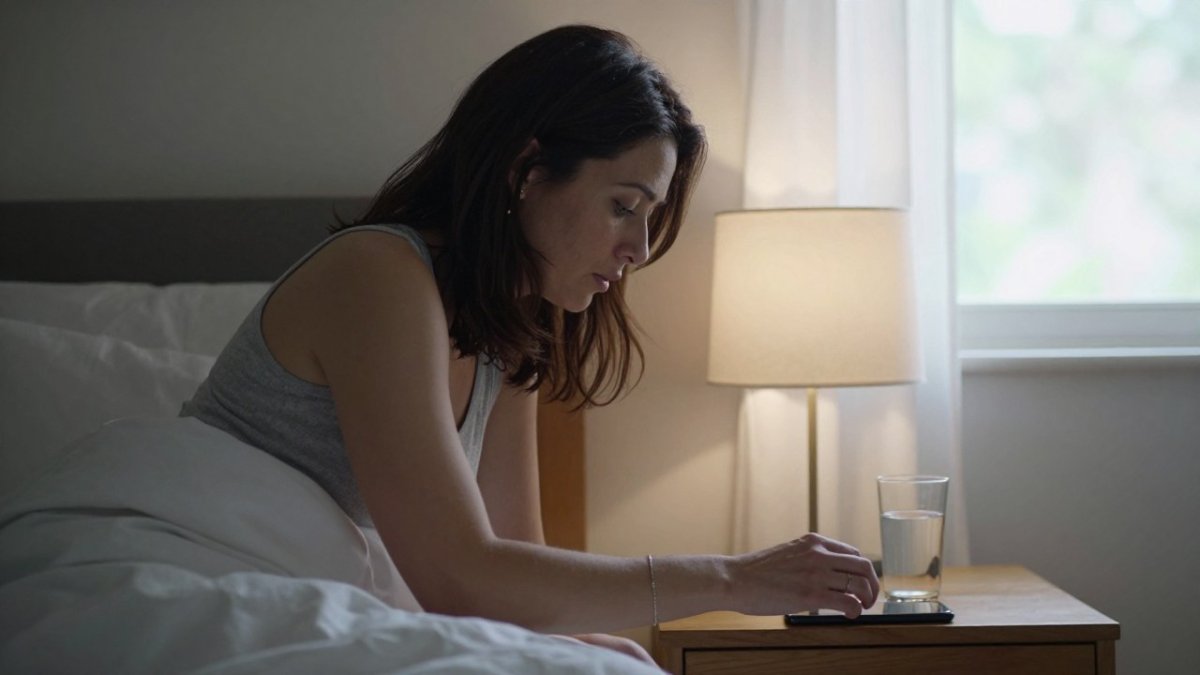
Watch out: fixating on tracker scores can itself worsen sleep. If checking the app becomes a source of anxiety at bedtime, the data is working against you, track for a couple of weeks, then step back.
When to move from tracking to clinical evaluation
Tracking is for patterns; a clinician is for persistent problems. If your diary shows months of fragmented sleep, loud snoring with gasping, or daytime sleepiness despite adequate time in bed, that is a signal to seek evaluation rather than to optimize your tracker settings.
When Sleep Problems Need Medical Attention
Occasional poor sleep is common. Persistent problems deserve a professional opinion. See a doctor if you:
- Regularly have trouble falling or staying asleep for three months or more
- Snore loudly, gasp, or stop breathing during sleep
- Feel very tired during the day despite a full night in bed
Sleep disorders such as sleep apnea and insomnia can affect overall well-being (Sleep Science and Sleep Disorders). A clinician can help identify the cause and recommend treatment. Do not use supplements to replace a medical evaluation for ongoing sleep or health concerns.
Booking Your Next Step With Flu-Jack for Daily Immune Support
Sleep is the foundation, but many adults also want daily support for their immune system during cold and flu season. Flu-Jack offers all-natural supplements as part of a daily wellness routine.
Before adding any supplement, review its ingredients and talk with your healthcare provider, especially if you take medication or have an existing health condition. Pricing depends on the product and quantity, so check the Flu-Jack website for current prices and shop now when you are ready to start.
Frequently Asked Questions
How does sleep quality affect immune system function?
Sleep quality shapes how your immune system responds to threats. During sleep, the body produces and releases cytokines, proteins that help coordinate infection-fighting activity and inflammation. Research links poor or fragmented sleep to altered immune responses, including a weaker reaction after vaccination in some studies. Sleep quality is not a guarantee of protection, but consistent, restorative sleep is one of the most practical habits you can control to support normal immune function during cold and flu season.
How many hours of sleep for immune health do most adults need?
Most adults need about seven or more hours of sleep per night for overall health. Duration matters, but so does continuity: waking often or sleeping at irregular times can reduce the restorative quality of the hours you do get. If you regularly fall short, track your sleep for a week to see where the gaps are.
Can one night of poor sleep affect your immune system?
A single night of poor sleep can temporarily shift immune activity, such as changes in inflammatory markers, but the body usually recovers with a normal night of rest. The bigger concern is repeated poor sleep over weeks. If you have one bad night before a cold season, the practical response is to prioritize sleep for the following nights rather than to panic about lasting damage.
When should I talk to a doctor about sleep problems affecting my health?
See a healthcare provider if you consistently struggle to fall or stay asleep, snore loudly with pauses in breathing, feel unrested despite spending enough time in bed, or fall ill more often than usual. These patterns can indicate a sleep disorder such as sleep apnea or insomnia, which require evaluation. Flu-Jack supplements are not a treatment for sleep disorders, and current prices and product details are available on the Flu-Jack website.