 how-to
7 Ways Compression Therapy Helps Poor Circulation
Last Updated: November 12, 2026
Quick Summary
Compression therapy helps poor circulation by applying gentle, controlled pressure to the lower legs, supporting the veins so blood moves back up toward the heart. It works through graduated compression and your muscle pump, but it is not a cure for all poor circulation and can be unsafe for arterial problems.
- Graduated compression squeezes hardest at the ankle and loosens as it moves up the leg.
- Measure your ankle and calf in the morning before swelling builds, then compare to the sizing chart.
- Apply stockings in the morning and remove them at night unless your clinician says otherwise.
- Wash stockings by hand or on a gentle cycle in cool water and air-dry them.
- Do not start compression on your own if you have symptoms of peripheral arterial disease.
Table of Contents
- How Does Compression Therapy Help Poor Circulation?
- How Does Compression Increase Blood Flow?
- Compression Stockings vs. Compression Devices: Choosing the Right Garment
- Side Effects of Wearing Compression Stockings and How to Manage Them
- How Many Hours a Day to Wear Compression Stockings
- Compression Therapy at Home: A Step-by-Step Safety Guide
- When Compression Is Not Safe: Arterial Disease and Warning Signs
- Building a Daily Circulation Routine with Flu-Jack
- Frequently Asked Questions
How Does Compression Therapy Help Poor Circulation?
Compression therapy helps poor circulation by applying gentle, controlled pressure to the lower legs. This pressure supports the veins and helps blood move back up toward the heart. For many people with heavy, aching legs, it is one of the simplest tools available.
Think of compression as external support for a system that has lost some of its natural push. Your veins rely on one-way valves and the muscles in your legs to move blood upward. When those valves weaken, blood pools. Compression gives the veins a helping hand.
But here is what most guides get wrong: compression is not a cure for all poor circulation. It works well for some causes and can be unsafe for others. That distinction shapes everything below.
Below, we'll show you how compression works, how to choose a garment, and how to use it safely at home.
How Does Compression Increase Blood Flow?
Compression increases blood flow through graduated compression. The garment squeezes hardest at the ankle and gradually loosens as it moves up the leg. This creates a pressure gradient that nudges blood upward instead of letting it settle.
The mechanism relies on your muscle pump. Every time you walk or flex your calf, the muscle squeezes the veins. Compression garments add outside pressure that works with that pump, not against it.
The result is better venous return and less fluid buildup in the lower legs.
According to the American Heart Association on circulation and vascular health, healthy circulation depends on vein valves, muscle movement, and steady pressure working together. Compression supports two of those three.
Compression Stockings vs. Compression Devices: Choosing the Right Garment
Compression stockings and compression devices both apply pressure, but they suit different needs. Stockings are worn on the body and move with you. Devices, such as inflatable sleeves, pump air in cycles and are usually used while resting.
| Garment Type | Best For | Wearing Style | Key Consideration |
|---|---|---|---|
| Over-the-counter stockings | Mild heaviness, travel, daily wear | All day, remove at night | Must fit correctly |
| Prescription stockings | Swelling, vein conditions | Per clinician guidance | Requires fitting |
| Inflatable devices | Resting, recovery, limited mobility | Short sessions | Not for walking |
Step 1: Measure before you buy. Use a soft tape measure first thing in the morning, before swelling builds.
Step 2: Match the compression level to the goal, with professional input. Over-the-counter stockings are typically sold in mild to moderate ranges for tired, heavy legs and travel.
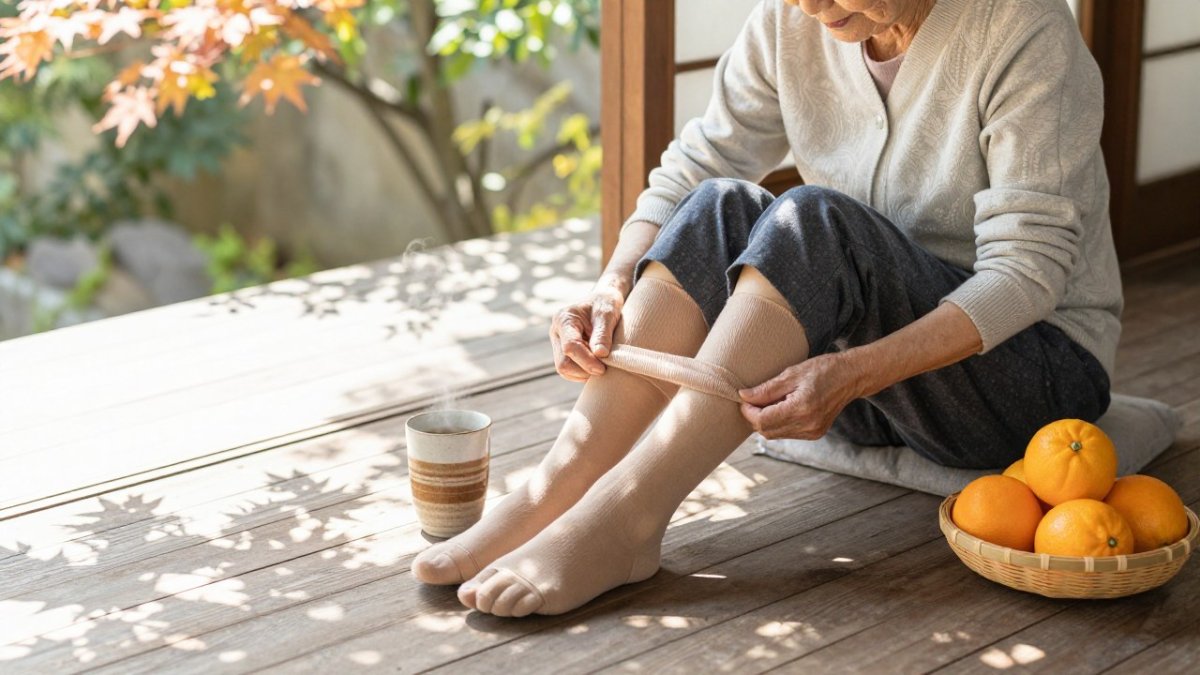
Step 3: Learn to put the garment on correctly. Apply stockings in the morning before swelling builds. Turn the stocking inside out down to the heel, position the heel pocket, then roll the fabric up the leg rather than pulling from the top.
Step 4: Care for the garment so it keeps its pressure. Wash stockings by hand or on a gentle cycle in cool water and air-dry them; heat from a dryer can break down the elastic. Rotate between two pairs so one is always clean and dry.
Step 5: Know when a device is the better fit. Inflatable devices are useful when you are resting or have limited mobility, but they are not designed for walking. Follow the session length your care team recommends, and do not sleep in them unless instructed.
Watch out: if a garment rolls, pinches, or leaves deep marks, the size or pressure is wrong, stop and get refitted rather than layering two garments to compensate.
If you want tested product picks to actually buy after learning which garment type suits you, our guide to the best compression socks for daily wear covers options worth comparing.
Side Effects of Wearing Compression Stockings and How to Manage Them
Most side effects of wearing compression stockings are mild and manageable. Common complaints include skin irritation, tightness, and trouble getting the garment on.
Here is how to handle each:
- Skin irritation: Keep skin dry and use a light moisturizer at night, not before wear.
- Tightness or pinching: Recheck your size. A proper fit should feel firm, not painful.
- Difficulty putting them on: Put them on in the morning before swelling builds.
- Bunching or rolling: Smooth the fabric from ankle to knee as you pull.
- Numbness or color change: Remove the garment and speak to a clinician.
Watch out: if your toes turn pale, blue, or cold, the garment is too tight or the pressure is wrong for you. Take it off and get advice.
How Many Hours a Day to Wear Compression Stockings
Many people wear compression stockings during the hours they are upright and active, then remove them at night.
The right number of hours depends on why you are wearing them:
- Daily support or travel: Wear during the active part of your day.
- Swelling control: Follow the schedule your clinician sets.
- Post-procedure recovery: Use the timing your care team gives you.
There is no single number that fits everyone. The wearing schedule should match your symptoms and your day. If you are unsure, start with mornings and adjust with guidance.
Compression Therapy at Home: A Step-by-Step Safety Guide
You can use compression therapy at home safely if you follow a few clear steps. The key is to check your skin, fit the garment correctly, and know when to stop.
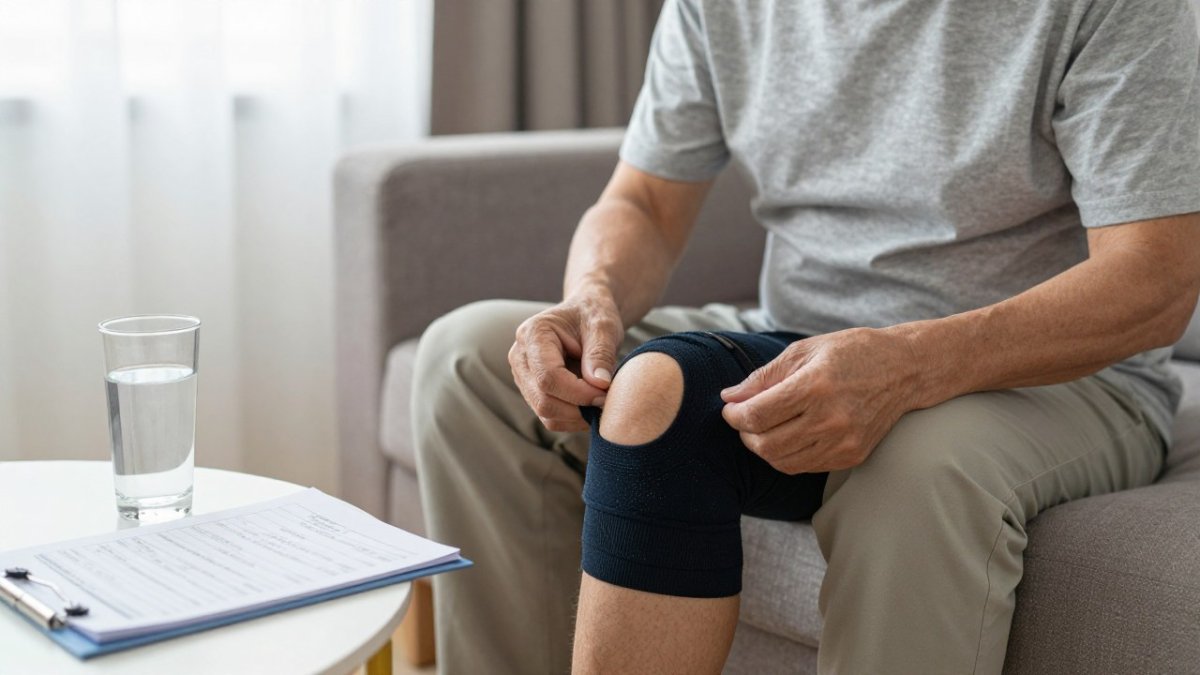
Follow this routine:
- Check your skin first. Look for cuts, rashes, or redness before you put anything on.
- Measure and match. Confirm your ankle and calf sizes against the sizing chart.
- Put them on early. Apply in the morning before swelling builds.
- Smooth the fabric. Work from ankle upward so pressure stays even.
- Move regularly. Walk and flex your calves to activate the muscle pump.
- Check your toes. They should stay warm and normal in color.
- Remove at night. Take stockings off before bed unless told otherwise.
- Wash and rotate. Clean garments keep their shape and pressure.
Before you start any home routine, it helps to know whether your symptoms point to poor circulation in the first place. Our guide to the signs of poor blood circulation walks through what to look for.
When Compression Is Not Safe: Arterial Disease and Warning Signs
Compression is not safe for everyone. This is the part most guides skip, and it matters most. The key distinction is between venous problems, where compression usually helps, and arterial problems, where it can reduce blood flow further.
Peripheral arterial disease narrows the arteries that carry blood to your legs. In that case, squeezing the leg can make a bad situation worse. The same is true for significant arterial insufficiency from other causes. Before you start compression, it helps to know which pattern your symptoms follow.
Symptoms that point toward an arterial cause include leg pain that comes on with walking and eases with rest (intermittent claudication), cold or pale skin on the feet, shiny skin, hair loss on the lower leg, sores on the toes or feet that will not heal, and weak or absent pulses in the feet (the CDC).
How safety is assessed. A clinician may check the pulses in your feet and ankles, compare blood pressure in the arm and ankle using the ankle-brachial index (ABI), or order other vascular tests.
Get a vascular assessment before you start if you have any of these:
- Leg pain that comes on with walking and eases with rest
- Cold, pale, or shiny skin on the feet
- Sores on the toes or feet that will not heal
- Weak or absent pulses in the feet
- A history of deep vein thrombosis or blood clots
- Diabetes, which can mask or complicate circulation symptoms
Warning signs to act on right away:
- Sudden swelling in one leg
- Chest pain or shortness of breath
- A leg that turns cold, pale, or blue
- Numbness or severe pain under the garment
- A new wound or skin breakdown where the garment sits
These are urgent. Remove the garment and seek care. Sudden one-sided swelling, in particular, can signal a clot and should be evaluated the same day.
Watch out: do not assume that because compression feels fine on your legs it is safe for your arteries, arterial narrowing can be present without obvious pain at rest.
For general guidance on how circulation problems are assessed, the National Heart, Lung, and Blood Institute on vascular conditions outlines common tests and warning signs.
Building a Daily Circulation Routine with Flu-Jack
A garment only does part of the work. The rest comes from daily habits that support vascular health over time.
Here is a simple routine we recommend:
- Morning: Put on compression early if you use it.
- Workday: Stand and walk every hour. Flex your calves at your desk.
- Afternoon: Stay hydrated and avoid sitting for long stretches.
- Evening: Elevate your legs for a few minutes.
- Daily: Add a natural supplement to support healthy circulation.
Desk-friendly movement is easier to build than it sounds. Short circulation exercises for desk workers can be done without leaving your chair.
If you want a broader plan, our guide on how to improve circulation naturally lays out proven steps beyond compression. And for everyday comfort habits, natural circulation support shows how movement, hydration, and daily choices fit together.
At Flu-Jack, our all-natural supplements are made to support healthy circulation and immune function as part of a daily routine. Customers like Linda Smith appreciate that the formula uses natural ingredients. Sarah M. has described using it as part of her daily wellness routine.
Compression helps in the moment. Daily habits help over the long run. Together, they give your circulation the best chance to keep up with you.
Poor circulation rarely improves on its own without steady daily support. Flu-Jack offers all-natural supplements designed to support healthy circulation and immune function, made with carefully selected ingredients for everyday wellness. Pair them with movement and smart compression habits, and you have a routine you can keep. Get started with Flu-Jack and support your everyday health with natural ingredients.
Frequently Asked Questions
Does compression therapy help poor circulation?
Yes, for venous-related poor circulation. Graduated compression therapy applies controlled pressure to the lower legs, which supports vein walls and vein valves, helps the muscle pump move blood back toward the heart, and reduces fluid buildup and leg swelling. It is not a treatment for poor circulation caused by arterial disease, so a vascular assessment is important before you start.
How many hours a day should a person wear compression stockings?
Many people wear compression stockings during the active part of the day, typically from morning until evening. Put them on before you get out of bed, when leg swelling is lowest, and take them off before sleep unless your clinician says otherwise. If you are new to compression, ask your clinician how long to wear them at first and build up gradually. Remove them immediately if you feel numbness, tingling, or increasing pain.
What are the side effects of wearing compression stockings?
Common side effects include skin irritation, itching, redness, and discomfort at the top band or behind the knee. A correct fit and sizing can help reduce these issues. Serious warning signs are numbness, tingling, cold or pale toes, increased pain, or shortness of breath, which can signal a blood clot and need urgent care. Stop wearing the garment and speak to a clinician if any of these occur.
Can you use compression therapy at home?
Yes. Compression therapy at home usually means wearing properly fitted compression socks or stockings and, in some cases, using an intermittent pneumatic compression device. Measure your ankle and calf first, choose graduated compression, and apply the garment in the morning. Check your skin daily for irritation, keep the garment clean, and ask a clinician to confirm compression is safe if you have arterial disease, diabetes, or heart failure.