 how-to
How to Prevent the Flu With Daily Wellness Habits?
Last Updated: November 11, 2026
Quick Summary
Preventing the flu depends mainly on getting vaccinated early in the season, washing hands with soap and water, and avoiding touching your face. Daily habits like steady sleep, hydration, and regular activity support your immune system, but they do not replace the vaccine or hygiene steps.
- Get a flu shot early, since protection takes a couple of weeks to build.
- Wash hands with soap and water for at least 20 seconds, especially after coughing or touching shared surfaces.
- Avoid touching your eyes, nose, and mouth, because flu viruses enter through them.
- Aim for about seven or more hours of sleep and fix a consistent wake time.
- Keep a sick household member's bedroom, bathroom, and frequently touched items separated and disinfected.
Table of Contents
- Why Daily Habits Matter for Preventing the Flu
- Step 1: Get Vaccinated and Know Your Timing
- Step 2: Build a Handwashing and Face-Touching Routine
- Step 3: Protect Your Sleep, Nutrition and Hydration
- Step 4: Keep Up Regular Physical Activity and Manage Stress
- Step 5: Avoid Catching the Flu From Family Members at Home
- Step 6: Evaluate Immune Support Supplements Realistically
- Your Next Step: Set Up a Flu-Season Routine This Week
- Frequently Asked Questions
Why Daily Habits Matter for Preventing the Flu
Preventing the flu with daily wellness habits is one of the most practical things you can do before the cold season hits. Immune support supplements can complement the basics, but no supplement replaces the habits that keep the virus from reaching your body in the first place.
Here is the honest picture. Flu viruses spread mainly through respiratory droplets and through hands that touch shared surfaces (the CDC). Your daily choices decide how often that happens to you.
Most people think of the flu as bad luck. In practice, your habits shape your exposure and how well your body handles it.
Step 1: Get Vaccinated and Know Your Timing
Vaccination is a primary prevention measure for seasonal influenza (the CDC). Ask your doctor or pharmacist whether a flu shot is right for you.
Timing matters. Protection takes a couple of weeks to build, so getting vaccinated early in the season can help you prepare before flu activity peaks.
- Check with your doctor or pharmacy about eligibility and the current season's vaccine
- Schedule your shot in early fall when possible
- Ask about extra guidance if you are over 65, pregnant, or caring for a high-risk person
Step 2: Build a Handwashing and Face-Touching Routine
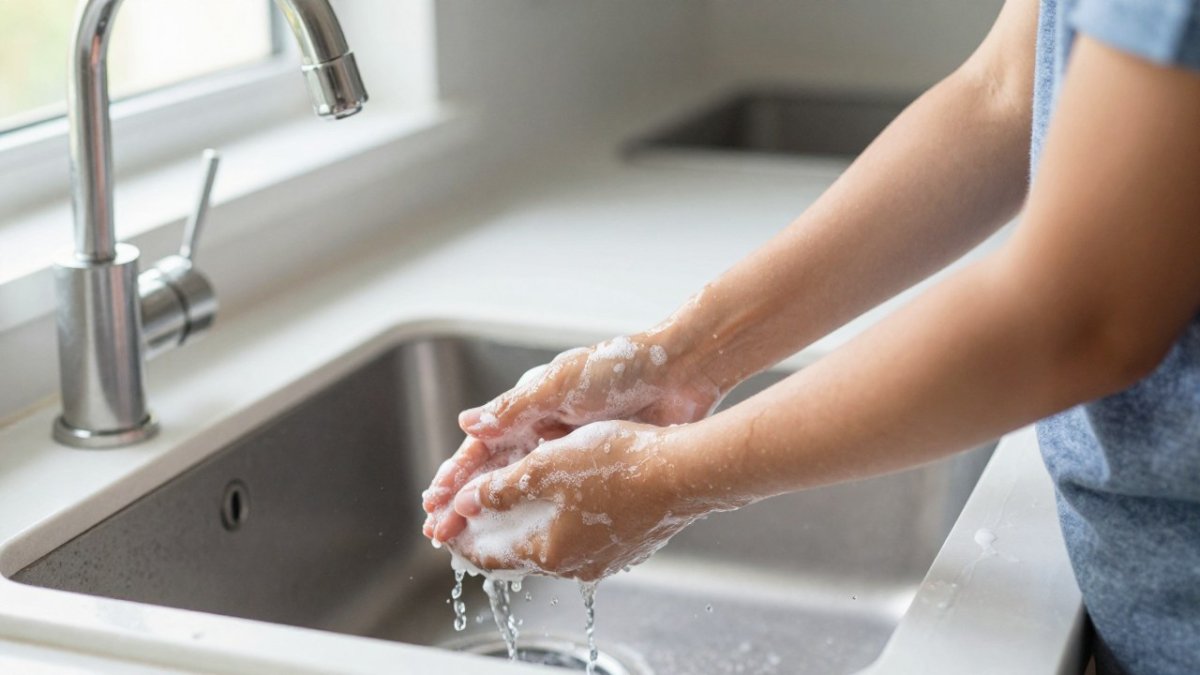
Wash your hands with soap and water for at least 20 seconds, especially after coughing, sneezing, or touching shared surfaces (the CDC). Hand sanitizer works when soap is unavailable.
The bigger habit change is avoiding your face. Flu viruses enter through the eyes, nose, and mouth, and most people touch their face dozens of times a day without noticing.
Watch out: sanitizer does not clean visibly dirty hands. Wash with soap first when hands are grimy.
Step 3: Protect Your Sleep, Nutrition and Hydration
Sleep, nutrition, and hydration do not prevent the flu on their own. They support the normal function of your immune system as part of a broader routine. Think of these habits as supporting your defenses, not replacing the vaccine or the hygiene steps covered elsewhere in this guide.
Sleep is an important part of overall health. Many adults aim for about seven or more hours a night. A practical way to protect that window is to pick a fixed wake time and count backward. If you need to get up at 6:30 a.m. and want seven hours, your target lights-out is around 11:30 p.m. Keeping that wake time even on weekends does more for consistency than any single bedtime change.
Nutrition works best as a pattern rather than a single food choice. A common visual guide is to fill half your plate with fruits and vegetables at lunch and dinner. A simple habit stack: add one vegetable to the meal you already eat most consistently, such as breakfast eggs or a lunch sandwich.
Hydration is easier to track with a fixed cue. General daily fluid guidance is available from health authorities, and many healthy adults meet their needs by drinking when thirsty and with meals. A workable routine is one full glass of water when you wake, one with each meal, and a refill from your desk or kitchen during the workday. If your urine is consistently dark yellow, that is a sign to drink more.
A realistic weekly checklist:
- Daily: fixed wake time, one vegetable added to one meal, water with each meal and on waking
- Three times a week: review whether you hit your sleep window and adjust bedtime by 15 minutes if you did not
- Weekly: pick one new habit to stack onto an existing routine, such as a glass of water while the coffee brews
Watch out: a single long night of catch-up sleep or a day of extra vegetables will not offset weeks of poor routines. Consistency is what matters, and these habits do not substitute for a flu shot.
If you have a chronic condition, take immune-modulating medication, or are pregnant, talk with your doctor before making significant changes to diet or fluid intake.
Read more about how sleep quality affects your immune system and how it connects to daily recovery.
Step 4: Keep Up Regular Physical Activity and Manage Stress
Regular exercise and stress management are two of the most overlooked wellness habits. Moderate activity most days of the week supports overall health, and chronic stress can wear down your normal defenses.
Start small. A 20-minute walk counts, and so does a short stretch session after work.
For a deeper look at this connection, read about how chronic stress affects adult immune health.
Step 5: Avoid Catching the Flu From Family Members at Home
Household spread is one of the most common ways people catch the flu. Influenza is mainly transmitted through respiratory droplets when someone coughs, sneezes, or talks nearby, and through hands that touch surfaces those droplets have landed on. Because you share air, bathrooms, and kitchen items with the people you live with, the risk is concentrated in a small set of places and habits.
The highest-risk spots are the sick person's bedroom, the bathroom they use, and frequently touched items: doorknobs, light switches, remotes, phones, faucet handles, and the refrigerator door. Focus disinfecting efforts there rather than cleaning everything equally. Use household cleaning products according to the label directions, including the contact time on the surface.
A practical plan once someone in the house has symptoms:
- Have the sick person stay home and rest, and keep them out of shared rooms when possible
- Assign them their own towels, cups, and utensils, and wash those separately in hot water
- Set up a single bathroom for the sick person if your home has more than one
- Wash your hands with soap and water after any contact with the sick person, their laundry, or their dishes
- Open a window for a few minutes a day when the weather allows
Caregivers need extra attention. If you care for an older adult, a young child, a pregnant person, or someone with a chronic condition, your own infection risk matters because a single household infection can reach them quickly. Ask their healthcare team whether they should be seen early after symptoms begin. Do not wait to see whether symptoms get worse.
If a household member develops fever, trouble breathing, chest pain, confusion, or is unable to keep fluids down, contact a healthcare professional promptly. Those warning signs call for medical evaluation even if the person was otherwise healthy.
Watch out: wearing a mask in the same room as a sick person does not replace separation and cleaning, and a shared bathroom is often a bigger problem than the living room. Address the shared spaces first.
For the household as a whole, the most useful single habit is to keep the sick person's routine separate for the length of their illness, then return to normal cleaning once they have recovered and been symptom-free for at least 24 hours.
Household spread is common, so focus cleaning and separation on the places and habits that carry the most risk.
| Area or step | Focus | Key detail |
|---|---|---|
| Sick person's bedroom | Highest-risk spot | Keep them out of shared rooms when possible |
| Bathroom | Shared-space priority | Set up a single bathroom for the sick person if you have one |
| Frequently touched items | Disinfect | Doorknobs, switches, remotes, phones, faucets, fridge door |
| Towels, cups, utensils | Keep separate | Wash separately in hot water |
| Caregivers | Extra attention | Ask the healthcare team whether to be seen early |
| Clear-the-house timing | Return to normal | After recovery and 24 hours symptom-free |
Step 6: Evaluate Immune Support Supplements Realistically
Immune support supplements can fit into a daily routine, but they are not a substitute for vaccination or hygiene. Flu-Jack offers all-natural supplements designed to support immune system function and healthy circulation as part of a wider routine.
Be realistic about what any supplement can do. Ask for clear ingredient labels, check for third-party testing, and talk to your doctor before starting anything new, especially if you take medication or have a health condition.
Before buying, it helps to know whether immune supplements actually prevent illness, how to choose safe supplements, and how to tell if supplements work for you.
Pricing depends on quantity and delivery, so check the Flu-Jack website for current pricing.
Your Next Step: Set Up a Flu-Season Routine This Week
Pick two habits from this list and start today. Book your flu shot, set a handwashing reminder on your phone, or plan a sleep schedule you can keep. Small routines add up, and they work best when they become automatic.
Flu-Jack offers all-natural supplements formulated for immune and circulatory health. Shop now to explore the range.
Frequently Asked Questions
How can I prevent the flu if I feel it coming on?
If you notice early symptoms such as a sudden fever, body aches, or fatigue, rest, stay hydrated, and limit close contact with others to reduce spread. Contact a healthcare provider promptly if you are in a high-risk group, since antiviral medications work best when started early. Daily habits like handwashing and covering coughs help protect people around you while you recover. Remember that these steps reduce transmission and support recovery, but they cannot replace the annual flu vaccine as your primary protection.
Can daily wellness habits significantly reduce the risk of catching the flu?
Habits such as frequent handwashing, avoiding touching your eyes, nose and mouth, and getting consistent sleep can reduce your exposure to respiratory viruses and support your body's defenses. Their effect is real but modest compared with vaccination, so treat them as a complement to the flu shot. Consistency matters more than intensity, so pick two or three habits you can keep up through the whole season. Measuring your routine with a simple weekly checklist makes it easier to stick with.
Do immune support supplements help prevent the flu?
Current evidence does not show that general immune supplements reliably prevent influenza. Flu-Jack offers all-natural supplements designed to support immune system function and healthy circulation as part of a daily wellness routine, but supportive products are not a substitute for vaccination or infection-control habits. Read ingredient labels, look for third-party testing where available, and check with your doctor before adding any supplement, especially if you take medication or are caring for older adults. Current pricing and product details are available on the Flu-Jack website.
How can I protect my household from the flu during peak season?
Get everyone in the household vaccinated, keep shared surfaces clean, and encourage handwashing before meals. When someone is sick, have them rest in a separate room if possible, use their own towels and utensils, and stay home from work or school until fever-free without medication. Caregivers and parents should pay extra attention to older adults and young children, who face higher risk of complications. Ventilating rooms and disposing of used tissues promptly further lowers the chance of spreading infection.