 ultimate-guide
Signs of Poor Blood Circulation: A 2026 Guide
Table of Contents
- Signs of Poor Blood Circulation You Shouldn't Ignore
- What Causes Poor Blood Circulation?
- How to Improve Circulation Naturally
- Foods That Improve Blood Circulation
- Home-Based Circulation Monitoring and Workplace Ergonomics
- When to See a Doctor for Circulatory Issues
- Frequently Asked Questions
Last Updated: October 2, 2026
Signs of Poor Blood Circulation You Shouldn't Ignore
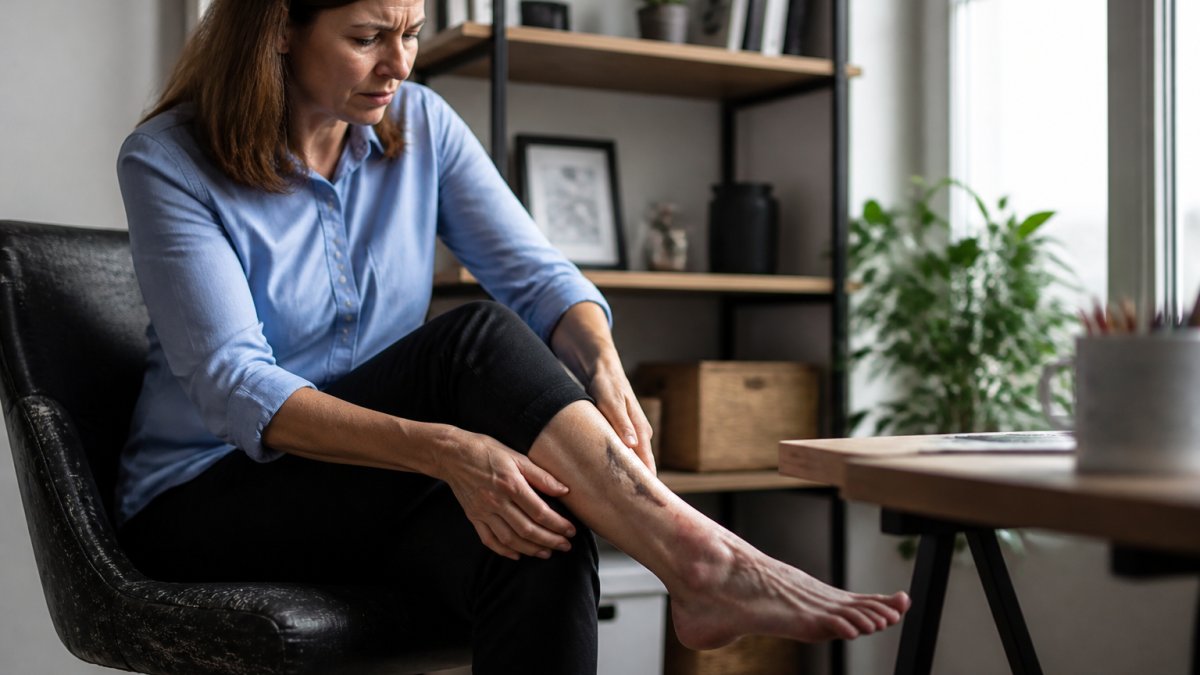
Poor blood circulation rarely announces itself with a single dramatic symptom. Instead, it shows up as cold fingers in July, a foot that falls asleep during a meeting, or a scrape on your shin that refuses to heal. We hear from customers who spent months dismissing these signals before realizing something deeper was going on.
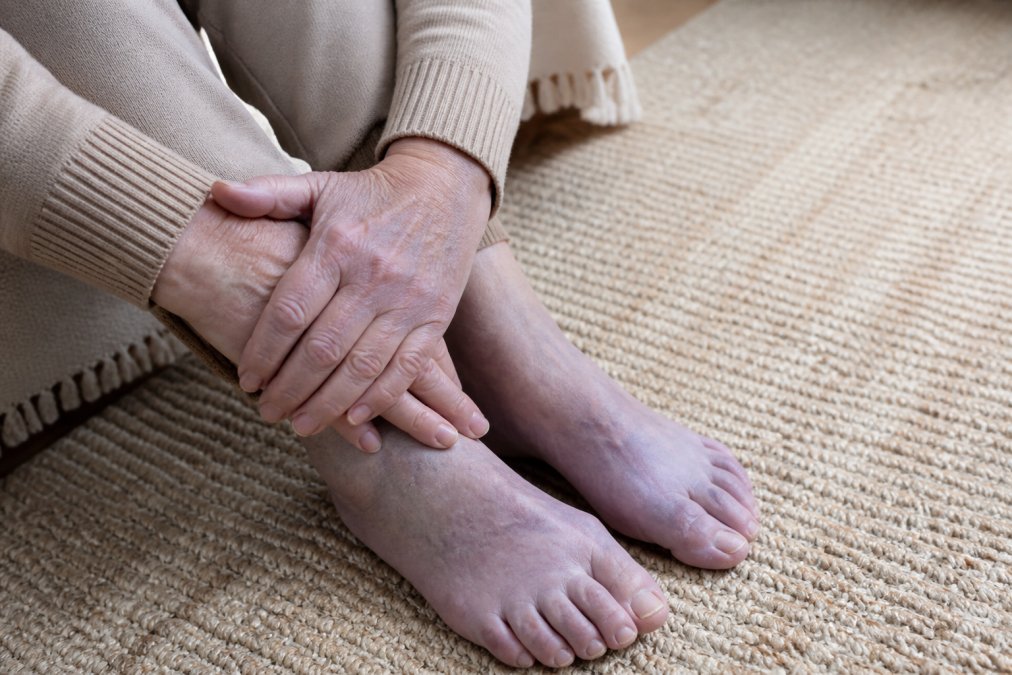
Cold Hands and Feet
Cold extremities are the most recognizable early sign. When blood flow to your fingers and toes slows, they stay cool even in warm rooms. A common mistake is blaming this on being "naturally cold-blooded." If your hands turn white or blue in mild temperatures, that's vasoconstriction doing more than it should.
Numbness, Tingling, and Pins and Needles
That familiar pins and needles sensation after sitting too long usually fades in seconds. When it lingers, or arrives without an obvious trigger, restricted blood flow may be irritating the nerves. Persistent numbness and tingling in the feet is one of the symptoms clinicians take most seriously.
Leg Cramps and Claudication
Claudication is muscle pain or cramping in the legs that appears during walking and eases with rest. It signals that your muscles aren't getting enough oxygenated blood during activity. Many people mistake it for ordinary muscle cramps, but cramping that reliably appears after the same distance walked is worth mentioning to a doctor.
Skin Changes: Discoloration, Brittle Nails, Non-Healing Wounds
Your skin is often the first place poor circulation becomes visible. Watch for:
- Skin discoloration, especially reddish-brown patches on the lower legs
- Brittle nails that grow slowly or break easily
- Non-healing wounds, particularly on the feet or shins
- Shiny, tight, or hairless skin on the legs
- A weak pulse you can't easily feel in the foot
What Causes Poor Blood Circulation?
Circulation problems trace back to a handful of underlying conditions, and identifying which one applies to you shapes everything that follows. The most useful way to think about it is arterial versus venous: arteries carry oxygen-rich blood away from the heart under pressure, while veins return oxygen-poor blood using valves and muscle contractions. Problems in each system produce different symptoms, different timelines, and different treatments.
Atherosclerosis and Peripheral Artery Disease
Atherosclerosis is the narrowing of arteries caused by plaque buildup along the artery walls. Plaque is a mix of cholesterol, fatty deposits, calcium, and inflammatory cells. As it accumulates, arteries stiffen and the channel narrows, so blood struggles to pass through. When this happens in the legs, it is called peripheral artery disease (PAD).
Blood Clots and Thrombosis
Thrombosis is the formation of a blood clot inside a blood vessel. A clot can partially or fully block flow at the site where it forms. The dangerous scenario is when a piece breaks free and travels, a deep vein thrombosis (DVT) in the leg can send a clot to the lungs, causing a pulmonary embolism, which is a medical emergency.
Varicose Veins and Venous Insufficiency
Venous insufficiency happens when vein valves weaken and blood pools in the legs instead of returning to the heart. Unlike arterial disease, venous symptoms tend to worsen through the day and improve with elevation. It often shows up as varicose veins, swelling (edema), skin discoloration, and a heavy, achy feeling by evening.
Other Contributing Conditions
Circulation is also affected by conditions that do not fit neatly into the arterial or venous categories:
- Diabetes damages small blood vessels and nerves, which is why foot problems are so common in people with diabetes.
- Raynaud's phenomenon causes exaggerated narrowing of the small arteries in the fingers and toes in response to cold or stress.
- Thyroid disorders can slow heart rate and affect how blood vessels respond to temperature.
- Anemia reduces the oxygen-carrying capacity of blood, producing fatigue and cold extremities even when flow itself is normal.
Risk Factors That Raise Your Odds
Some risk factors you cannot change, and some you can. The ones you can change are where the leverage is:
| Modifiable | Non-Modifiable |
|---|---|
| Smoking | Age (risk rises after 40) |
| Sedentary lifestyle | Family history of vascular disease |
| High blood pressure | Diabetes (manageable, but a strong driver) |
| High cholesterol | Prior clot or vascular event |
| Excess weight | , |
How to Improve Circulation Naturally
The good news: many circulatory issues respond well to daily habits, and you can start most of them today. This is where the signs of poor blood circulation become actionable rather than alarming. What most guides skip is the why and the how much, so this section pairs each habit with the mechanism behind it and a concrete target.
Movement: The Single Biggest Lever
Muscle contraction is what pushes blood back through your veins. Veins do not have a pump of their own; they rely on the calf and foot muscles squeezing them, with one-way valves keeping blood from falling back. That is why sitting still for hours is so hard on circulation.
- Break up sitting every 30-45 minutes. Stand and walk for two minutes. A sedentary lifestyle is one of the biggest controllable risk factors.
- Walk briskly 30 minutes a day. Aim for a pace where talking is possible but singing is not. This is the intensity range most often recommended for vascular health.
- Do calf raises at your desk. Twenty slow repetitions, twice an hour, mimic the calf pump and move pooled blood out of the lower legs.
Elevation and Compression
- Elevate your legs above heart level for 10-15 minutes in the evening to ease edema. Below heart level does little; the height is what matters.
- Consider compression socks if you stand or sit for long stretches. Graduated compression is tightest at the ankle and looser up the calf, which helps the vein valves do their job. This is standard first-line support for venous insufficiency.
Hydration, Temperature, and Nicotine
- Stay hydrated. Blood is roughly half water; dehydration thickens it and makes the heart work harder to move it.
- Avoid prolonged heat if you have venous issues. Hot baths and long standing in heat dilate veins and worsen pooling.
- Quit smoking. Nicotine constricts blood vessels within minutes of each cigarette, and the effect is cumulative over years. This is the single highest-impact change for anyone who smokes.
Stress and Sleep
Chronic stress keeps blood pressure elevated and vessels tightened. Slow breathing, roughly six breaths per minute for five minutes, is a simple way to nudge the nervous system toward vessel relaxation. Poor sleep has a similar effect on blood pressure, so consistent sleep timing is a circulation habit, not just a general wellness one.
What About Supplements?
Ingredients formulated to support healthy circulation can complement, not replace, the habits above. The honest answer for anyone wondering whether a general wellness supplement fits a specific circulatory concern: supplements support circulation, they do not treat arterial blockage or thrombosis. Flu-Jack's formula is built for daily circulatory and immune support, which is why customers like Sarah M. describe it as part of a broader routine.
Foods That Improve Blood Circulation
Foods that improve blood circulation generally share three traits: they support nitric oxide production, reduce inflammation, or keep blood viscosity in a healthy range. Nitric oxide relaxes blood vessels, which is why nitrate-rich vegetables show up on nearly every cardiologist's list.
| Food Category | Examples | How It Helps |
|---|---|---|
| Nitrate-rich vegetables | Beets, spinach, arugula | Support nitric oxide production |
| Omega-3 sources | Salmon, sardines, walnuts | Reduce inflammation |
| Citrus fruits | Oranges, grapefruit | Provide vitamin C for vessel walls |
| Berries | Blueberries, strawberries | Supply antioxidants |
| Spices | Garlic, ginger, turmeric | Support healthy blood flow |
| Whole grains | Oats, barley | Support healthy cholesterol levels |
Home-Based Circulation Monitoring and Workplace Ergonomics
You can track circulation at home without special equipment, and small workplace changes prevent the daily damage that adds up. Two simple checks:
-
Capillary refill test: Press a fingernail until it turns white, then release. Color should return within two seconds. A slower return can indicate reduced blood flow.
-
Temperature check: Compare one foot to the other. A persistent difference between sides is worth noting and mentioning to a clinician.
-
Set your chair so your thighs are roughly parallel to the floor
-
Use a footrest if your feet dangle
-
Keep your wrists neutral, not bent upward
-
Stand or walk during every phone call
-
Use a sit-stand desk if one is available
When to See a Doctor for Circulatory Issues
See a doctor promptly if you notice sudden swelling in one leg, chest pain, shortness of breath, a wound that won't heal, or skin that turns blue or black. These can signal a blood clot, ischemia, or another condition that needs same-day attention.
Frequently Asked Questions
How can I check my blood circulation at home?
You can do a simple capillary refill test: press on a fingernail or toenail until it turns white, then release. Color should return within 2 seconds. A weak or slow pulse in your feet, cold extremities that stay cold, or swelling in your ankles can also signal poor blood circulation. If you notice these signs often, see a doctor for a proper exam.
What are the symptoms of poor foot circulation?
Poor foot circulation often shows up as cold feet, numbness and tingling, muscle cramps, and slow-healing sores. You may also see skin discoloration, brittle nails, and a weak pulse in the foot. Pain in your calves when walking that eases with rest (claudication) is another common sign. If these symptoms persist, a vascular specialist can check for peripheral artery disease.
What causes poor circulation of blood in the body?
The most common causes include atherosclerosis (plaque buildup in arteries), blood clots, varicose veins, and venous insufficiency. A sedentary lifestyle, high blood pressure, and diabetes also raise your risk. These conditions narrow or block blood vessels, reducing blood flow to your limbs and organs. Managing blood pressure and staying active can help protect your vascular health.
Can lifestyle changes effectively improve blood flow?
Yes. Regular movement, staying hydrated, and avoiding long periods of sitting can improve blood flow. Foods that improve blood circulation include leafy greens, beets, citrus, and fatty fish. Compression therapy and elevation can also help. For persistent symptoms, a doctor may recommend diagnostic imaging or an angiogram to rule out arterial blockage.
Circulation problems rarely resolve on their own, but the daily habits that support healthy blood flow add up faster than most people expect. Flu-Jack was built for exactly this kind of routine: an all-natural supplement formula designed to support healthy circulation and immune system function, made with carefully selected ingredients you can trust. If you're ready to make circulation support part of your everyday wellness, shop now and give your body the daily backup it deserves.