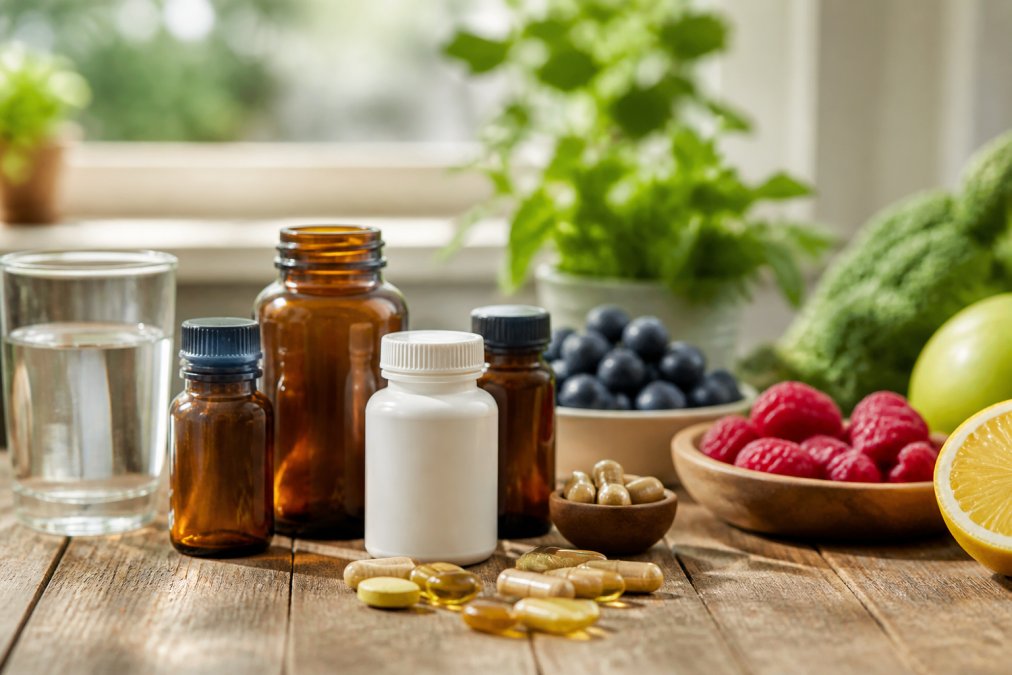
 comparison
Supplements vs Lifestyle Changes for Better Circulation
Table of Contents
- Understanding Blood Circulation and Why It Matters
- Supplements for Blood Circulation: What the Evidence Shows
- Lifestyle Changes vs Supplements: Direct Comparison
- Exercises to Improve Circulation: Proven Approaches
- Foods That Improve Circulation and Support Vascular Health
- Circulation Supplements Side Effects and Interactions: Safety First
- Your Prioritized Action Plan: Where to Start
- When Poor Circulation Needs Medical Assessment
- Frequently Asked Questions
Last Updated: October 15, 2026
Understanding Blood Circulation and Why It Matters
Blood circulation is how your heart pumps oxygen-rich blood through your body via arteries, veins, and capillaries.
Improving circulation naturally involves understanding supplements vs lifestyle changes for better circulation, as both pathways exist but work differently.
This guide breaks down the evidence for supplements vs lifestyle changes for better circulation, compares their effectiveness, and shows you where to start based on your situation.
Supplements for Blood Circulation: What the Evidence Shows
Circulation supplements typically contain omega-3 fatty acids, magnesium, vitamin C, vitamin E, and plant extracts designed to support blood vessel function.
The evidence is mixed: some ingredients show promise for cardiovascular health and blood flow, while others have limited research.
According to Medical News Today's review of vitamins and circulation, supplements may help support symptoms for some people or generally promote cardiovascular wellness, but they are not a substitute for medical treatment of circulation problems.
Key Ingredients in Circulation Supplements
The most commonly discussed circulation supplement ingredients include:
- Omega-3 fatty acids (fish oil): Support heart health and blood vessel elasticity
- Magnesium: Helps blood vessels relax and function properly
- Vitamin C and E: Antioxidants that support vascular health
- Vitamin D and K: Support bone and cardiovascular function
- Beetroot extract: Contains nitrates that may support blood flow
- Garlic: Traditionally used to support circulation and heart health
Quality and concentration vary widely between brands. Flu-Jack offers a range of all-natural supplements specifically formulated to support your immune system and promote healthy circulation. Designed for daily wellness, our products are crafted with carefully selected ingredients to help you stay healthy and active year-round. We are committed to providing high-quality, trustworthy solutions that seamlessly fit into your healthy lifestyle.
Lifestyle Changes vs Supplements: Direct Comparison
Most pages dodge the comparison by discussing supplements and lifestyle in separate silos. Here is the direct, evidence-graded version.
How to read the grades below:
- Strong evidence: Multiple randomized controlled trials or consistent clinical guidance support the effect in generally healthy adults.
- Moderate evidence: Some trials show benefit, but results are mixed, small, or limited to specific populations.
- Limited evidence: Mostly mechanistic, animal, or small short-term studies; human outcomes are unclear.
| Factor | Lifestyle Changes | Supplements |
|---|---|---|
| Time to measurable change | 2-4 weeks for blood pressure and endothelial function with consistent aerobic activity | 4-12 weeks for most ingredients; nitrate-rich beetroot may show acute effects within hours |
| Typical monthly cost | $0-$40 (footwear, gym, or produce upgrades) | $15-$60 per product; stacks often exceed $100 |
| Effort and adherence burden | High; requires daily behavior change | Low; one pill per day |
| Evidence strength for improving circulation in healthy adults | Strong for exercise, smoking cessation, and blood pressure control | Moderate for omega-3 and beetroot; limited for most others |
| Addresses root causes | Yes (sedentary behavior, diet quality, smoking, stress) | No; fills nutrient gaps only |
| Works without other changes | Partially; exercise alone improves vascular function | Rarely; supplements do not offset smoking, inactivity, or poor diet |
| Reversible if stopped | Benefits fade over weeks | Benefits fade over days to weeks |
| Safety profile | Very favorable when progressed gradually | Variable; interactions and bleeding risk with some ingredients |
Why lifestyle changes win on mechanism
Exercise increases shear stress on the endothelium, the single-cell lining of your blood vessels. That force stimulates nitric oxide production, relaxing smooth muscle and improving dilation, which is why a 30-minute brisk walk most days can measurably improve endothelial function within weeks. Smoking cessation reverses some vasoconstriction and inflammatory damage within days to months, and a diet rich in nitrates (beets, leafy greens) and omega-3s supports the same nitric oxide pathway.
Where supplements actually fit
Supplements matter most in two scenarios:
- Documented deficiency. If bloodwork shows low vitamin D, low magnesium, or low omega-3 index, correcting that deficiency can support vascular function. This is a different claim than "supplements improve circulation in everyone."
- Targeted support when diet is inconsistent. Beetroot extract, for example, delivers a concentrated nitrate dose that may support blood flow acutely, useful before a workout or on days when produce intake is low.
What supplements cannot do is substitute for the fundamentals. No pill reverses the vascular effects of smoking, inactivity, or chronic high blood pressure.
Exercises to Improve Circulation: Proven Approaches
Regular physical activity is the single most effective way to improve circulation.

Effective circulation-boosting exercises include:
- Walking: 30 minutes of brisk walking, 5 days per week. This is the simplest, most sustainable approach for most people.
- Stretching and flexibility work: Improves blood flow to muscles and joints. Yoga and gentle stretching routines count.
- Resistance training: Builds muscle, which increases metabolic demand and improves circulation.
- Swimming or water aerobics: Low-impact, full-body activity that supports cardiovascular health.
- Cycling: Strengthens legs and improves heart function with minimal joint stress.
The key is consistency: a 20-minute daily walk beats a 2-hour gym session once a month. Movement also reduces sedentary behavior, one of the biggest circulation killers.
Foods That Improve Circulation and Support Vascular Health
What you eat directly affects your blood vessels. A diet rich in vascular-supporting nutrients accelerates circulation improvement more than supplements alone.
Foods that improve circulation and support vascular health include:
- Fatty fish: Salmon, mackerel, sardines, rich in omega-3 fatty acids
- Berries: Blueberries, strawberries, raspberries, contain antioxidants and support blood vessel function
- Dark leafy greens: Spinach, kale, arugula, high in nitrates that support blood flow
- Beets: Contain nitrates and support healthy blood pressure
- Garlic and onions: Contain compounds that support cardiovascular health
- Nuts and seeds: Almonds, walnuts, flaxseeds, provide magnesium and omega-3s
Hydration matters too: your blood needs adequate water to flow efficiently. Most people benefit from 8-10 glasses daily, more if you exercise or live in a hot climate.
Circulation Supplements Side Effects and Interactions: Safety First
Most supplement content skips practical safety details. This section covers what to watch for, medication interactions, and who needs a clinician's review first.
Ingredient-by-ingredient safety notes
- Omega-3 fatty acids (fish oil): Doses above roughly 3 grams per day of combined EPA and DHA can increase bleeding time and may interact with warfarin, aspirin, clopidogrel, and other antiplatelets or anticoagulants. Mild digestive upset and fishy aftertaste are common; take with food to reduce GI effects.
- Magnesium: Can bind to tetracycline and fluoroquinolone antibiotics and to bisphosphonates, reducing absorption. Separate doses by at least 2 hours. High doses (especially magnesium oxide) cause diarrhea; citrate and glycinate are gentler. People with kidney disease should not supplement without medical supervision.
- Vitamin E: High doses (typically above 400 IU per day) can increase bleeding risk, particularly with anticoagulants. Food-source vitamin E does not carry the same concern.
- Garlic supplements: Can potentiate blood thinners and increase bleeding risk before surgery. GI upset and breath odor are common. Stop 1-2 weeks before scheduled surgery unless a clinician says otherwise.
- Beetroot extract: May lower blood pressure meaningfully. Use caution with antihypertensives, since the combined effect can cause dizziness or fainting. Pink or red urine and stool are harmless.
- L-arginine: Can lower blood pressure and interact with nitrates, PDE-5 inhibitors, and some blood pressure medications. Avoid after a heart attack without clearance.
Who should get clinician review first
- Anyone taking blood thinners (warfarin, apixaban, rivaroxaban, aspirin, clopidogrel)
- People with bleeding disorders or a history of GI bleeding
- People with low blood pressure or on blood pressure medication
- Pregnant or nursing women
- People with kidney or liver disease
- Anyone scheduled for surgery within 2 weeks
- People taking multiple medications, due to cumulative interaction risk
Practical timing and dosing habits
- Take fat-soluble ingredients (omega-3, vitamin E, vitamin D) with a meal containing fat to improve absorption.
- Separate magnesium from antibiotics and bisphosphonates by at least 2 hours.
- Start one new supplement at a time so you can attribute any side effect.
- Keep a simple log of dose, timing, and symptoms for the first 4 weeks.
When to stop and call a clinician
Stop the supplement and seek medical advice for unusual bruising, nosebleeds, blood in stool or urine, sudden dizziness, fainting, or a new rash, these can signal a bleeding or blood pressure issue needing evaluation.
According to Cleveland Clinic's guidance on circulation improvement, consulting a doctor is important before starting any supplement regimen, especially if you have existing health conditions or take medications.
Flu-Jack supplements are formulated with natural ingredients, but they are not right for everyone.
Your Prioritized Action Plan: Where to Start
The most common mistake is trying everything at once, then quitting when it feels overwhelming. Build gradually instead.
Week 1-2: Establish the foundation
- Start moving daily. A 15-20 minute walk counts. Consistency matters more than intensity.
- Drink water consistently throughout the day.
- Add one circulation-supporting food to your meals (berries, leafy greens, or fish).
Week 3-4: Build the habit
- Increase daily movement to 30 minutes most days.
- Eat whole foods at 2-3 meals daily. Don't aim for perfection.
- Reduce sitting time, stand or move for 5 minutes every hour.
Week 5-6: Add targeted support
- Once lifestyle habits feel routine, consider adding a high-quality supplement to fill nutritional gaps and accelerate results.
- Continue all movement and nutrition habits.
- Monitor how you feel.
Ongoing: Sustain and refine
- Maintain daily movement as your foundation.
- Adjust nutrition based on what works for your body.
- Use supplements consistently, benefits build over weeks and months.
- Manage stress through sleep, relaxation, or meditation.
Expect noticeable improvements if you're consistent with all three pillars (movement, nutrition, supplements). Some see faster results, others need more time, individual variation is normal.
When Poor Circulation Needs Medical Assessment
Not all circulation problems can be solved with supplements and lifestyle changes alone. Some require professional evaluation.
Seek medical assessment if you experience:
- Persistent leg swelling or pain that doesn't improve with movement
- Skin changes (discoloration, ulcers, or wounds that don't heal)
- Chest pain or shortness of breath with minimal activity
- Sudden numbness or tingling in extremities
- Wounds or cuts that won't heal
- Severe cold hands or feet despite warm environment
- Symptoms of deep vein thrombosis (calf swelling, warmth, pain)
According to United Vein Centers' guidance on circulation support, professional vascular care is essential when circulation problems are severe or persistent.
The bottom line: Supplements and lifestyle changes support healthy circulation in otherwise healthy people.
Supporting your circulation naturally takes time and consistency, but the results compound.
Frequently Asked Questions
Are lifestyle changes more effective than supplements for improving circulation?
Lifestyle changes, particularly regular exercise, a balanced diet, and stress management, form the foundation of better blood circulation and vascular health. Research shows these habits produce measurable improvements in blood flow. Supplements can support these efforts but are not a replacement. Think of lifestyle as the primary strategy and supplements as an addition. Most people see the best results by combining both approaches rather than relying on either alone.
Which supplements for blood circulation have the strongest evidence?
Omega-3 fatty acids, magnesium, vitamin D, and vitamin E are among the most researched supplements associated with circulation support. French maritime pine extract, beetroot, and garlic have also been studied for blood flow benefits. However, evidence quality varies. Supplements may help support cardiovascular health and general wellness, but they are not treatments for circulation disorders. Always check with a healthcare provider before starting any supplement regimen.
Can circulation supplements interact with medications I'm already taking?
Yes. Omega-3 supplements, vitamin E, and garlic can interact with blood thinners and antiplatelet medications. Magnesium may affect the absorption of certain antibiotics and bisphosphonates. Before adding any circulation supplement to your routine, discuss it with your doctor or pharmacist, especially if you take prescription medications, have a bleeding disorder, or are scheduled for surgery. They can identify potential interactions specific to your health profile.
How long does it take for exercise to improve blood circulation?
Regular physical activity can improve blood flow within weeks. Some improvements in vascular function occur within 2-4 weeks of consistent exercise. More significant gains in cardiovascular fitness and sustained circulation improvements typically develop over 8-12 weeks. The key is consistency: moderate-intensity activity like brisk walking, swimming, or cycling for 150 minutes per week supports ongoing circulation health. Results depend on your starting fitness level and current circulation status.