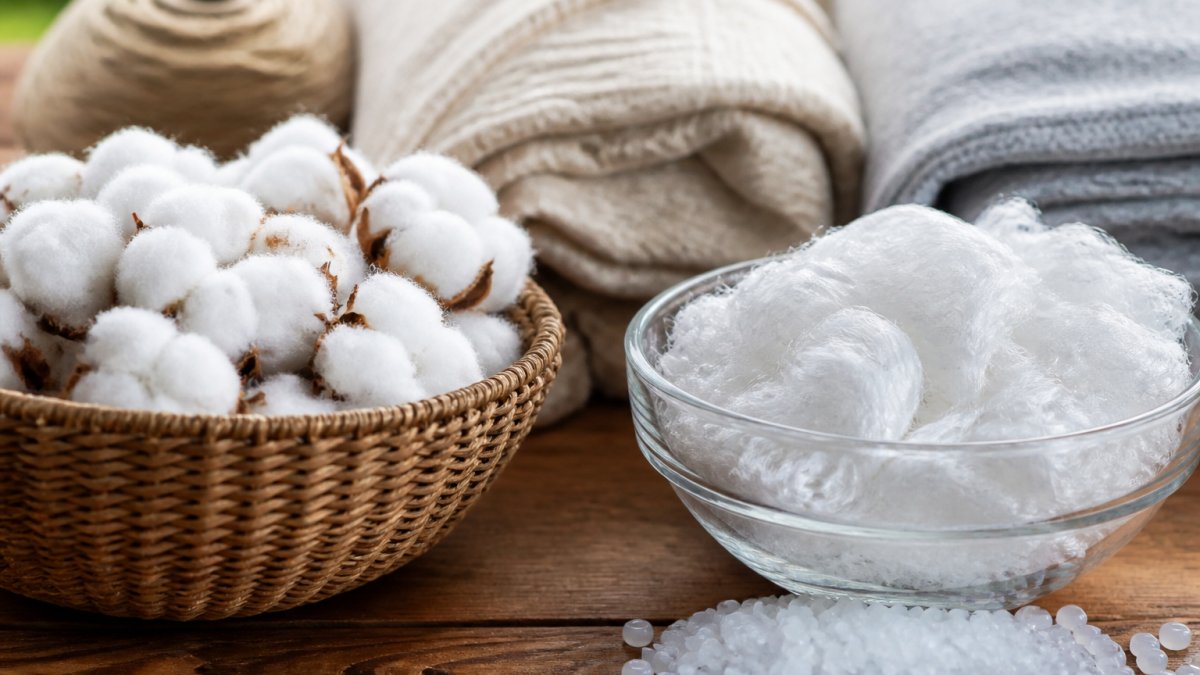
 comparison
Natural vs Synthetic: Why Choose Natural Fibers
Table of Contents
- The Core Difference Between Natural and Synthetic Fibers
- Benefits of Natural Fibers for Comfort and Health
- Healthiest Fabrics to Wear: A Fiber-by-Fiber Breakdown
- Environmental and Lifecycle Trade-Offs
- Durability, Care, and Total Cost of Ownership
- Making the Right Choice for Your Lifestyle
- Frequently Asked Questions
Last Updated: October 6, 2026
The Core Difference Between Natural and Synthetic Fibers
The fabric touching your skin, whether cotton, polyester, wool, or nylon, shapes how comfortable you'll be, how long your clothes last, and their environmental impact. Understanding why choose natural over synthetic fibers starts with knowing what each category is and how they behave.
What Natural Fibers Are
Natural fibers come directly from plants, animals, or minerals, grown or harvested and then processed into fabric. Cotton grows from seed pods, wool comes from sheep, and linen and hemp are extracted from plant stems. They've been used for thousands of years because they breathe, adapt to temperature changes, and break down when no longer needed.
Processing typically involves fewer synthetic chemicals than you might expect: cotton is ginned and spun into yarn, wool is sheared, cleaned, and carded. The base material is biological, so breathability and moisture-wicking are built into the fiber's structure rather than engineered in.
What Synthetic Fibers Are
Synthetic fibers are created in a laboratory from petroleum-based chemicals. Polyester, nylon, and acrylic are the most common, engineered to mimic or exceed natural fibers' durability, stretch, water resistance, and color retention.
The advantage is control: nylon for strength, acrylic for warmth and affordability, polyester for durability and wrinkle resistance. The disadvantage is that they require significant chemical processing and energy, and they don't decompose. A polyester shirt can sit in a landfill for decades.
Benefits of Natural Fibers for Comfort and Health
The reason many people prefer natural fibers comes down to how they feel and perform against skin.
Breathability and Airflow
Natural fibers allow air to move through them. Cotton and linen are especially breathable because their fiber structure creates tiny gaps that permit airflow, so sweat evaporates instead of pooling against your skin. In warm weather or during activity, the difference is noticeable within minutes.
Synthetic fibers like polyester trap moisture and heat because they're hydrophobic. This is why polyester athletic wear often feels clammy even when it's technically "moisture-wicking": moisture moves away from your skin but doesn't evaporate as quickly as in natural fibers.
For anyone in warm conditions or exercising regularly, breathability isn't a luxury, it's a practical necessity.
Moisture Absorption and Temperature Regulation
Natural fibers absorb moisture, which sounds like a drawback until you understand it. Cotton can absorb up to 27% of its weight in water while still feeling dry, pulling sweat away from your skin and distributing it across the fabric surface to evaporate.
Wool is even more sophisticated, regulating temperature by absorbing and releasing moisture based on humidity: in humid conditions it absorbs moisture and releases heat, in dry conditions it retains warmth. This is why wool remains the gold standard for layering in variable temperatures.
Synthetic fibers repel moisture, which makes them useful for rainwear or athletic wear designed to move sweat away from skin. But for everyday comfort in mixed conditions, that inability to absorb moisture is a limitation.
Softness and Skin Sensitivity
Natural fibers soften over time: a cotton shirt gets softer with every wash, linen becomes more supple. This aging process is why people develop strong attachments to natural fiber clothing.
Synthetics maintain their original texture but don't improve. More importantly, they can irritate sensitive skin: chemical finishes on polyester and nylon, combined with the inability to breathe, make irritation more likely. People with eczema, psoriasis, or general sensitivity often find natural fibers more comfortable.
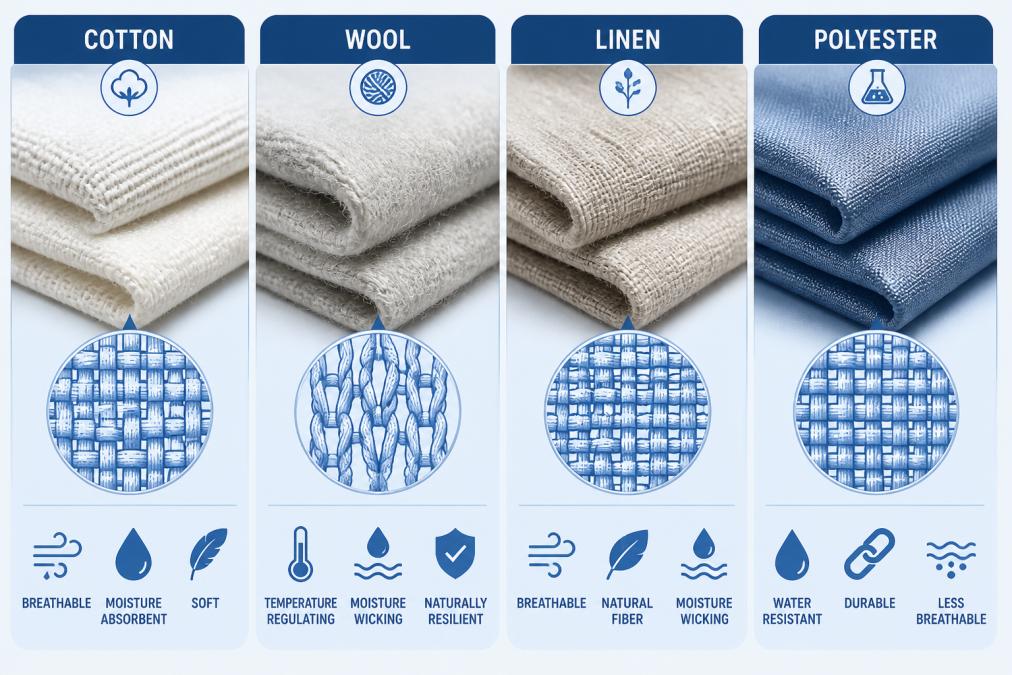
Healthiest Fabrics to Wear: A Fiber-by-Fiber Breakdown
Not all natural fibers perform identically, and not all synthetics are wrong for every situation. Here's what each fiber actually delivers.
Cotton: Breathable and Versatile
Cotton is the most widely used natural fiber: breathable, soft, affordable, and naturally hypoallergenic for most people. It absorbs moisture, dries relatively quickly, and becomes softer with washing.
The drawback is durability: cotton fibers weaken when wet, so frequent washing causes pilling and thinning, and it wrinkles easily and can shrink. For everyday wear like t-shirts and underwear, cotton remains the practical standard.
Wool: Insulating and Moisture-Wicking
Wool is the superior choice for temperature regulation and moisture management, insulating even when damp, which is why it's used in outdoor gear and cold-weather clothing. It also resists odor, so wool items need less frequent washing than cotton.
The trade-off is that wool can feel scratchy, especially in lower-quality grades; merino is softer and finer. It's also pricier than cotton and requires careful washing to prevent shrinkage and felting. For people without wool sensitivity, it's the most functional natural fiber for active lifestyles and variable climates.
Linen and Hemp: Durable and Eco-Conscious
Linen comes from flax plants and is one of the strongest natural fibers, more durable than cotton, exceptionally breathable, and softer with washing. It wrinkles easily, which some embrace as aesthetic and others find impractical.
Hemp performs similarly but comes from a plant requiring fewer pesticides and fertilizers. It's durable, breathable, and naturally antimicrobial. Both are excellent for warm-weather clothing and for people prioritizing environmental impact alongside comfort.
Polyester, Nylon, and Acrylic: When Synthetics Make Sense
Synthetics aren't inherently bad, they're engineered for specific purposes where natural fibers fall short.
Polyester is durable, resists wrinkles, and holds color well, making it right for athletic wear, water-resistant outerwear, and clothing washed frequently. Blends (50% cotton, 50% polyester) offer a middle ground: better durability and wrinkle resistance than pure cotton, with more breathability than pure polyester.
Nylon is exceptionally strong and flexible, ideal for activewear, swimwear, and outerwear. Acrylic mimics wool's warmth at a fraction of the cost and is hypoallergenic, suiting people with wool sensitivity.
The problem isn't that these synthetics exist, it's that they're used where natural fibers would perform better. A polyester dress shirt wrinkles less than cotton but feels less comfortable in warm weather. The choice depends on what you need from the garment.
Environmental and Lifecycle Trade-Offs
The narrative around natural versus synthetic fibers often oversimplifies environmental impact.
Natural fibers require land, water, and pesticides: cotton uses significant water and chemical inputs, wool involves land management and animal husbandry. But they biodegrade, a cotton shirt in months to a few years, a wool sweater within 1-5 years depending on conditions.
Synthetics require petroleum extraction and chemical processing, but they're durable: a polyester jacket can last years longer than a cotton one, meaning fewer garments purchased. The trade-off is they don't decompose, persisting in landfills and oceans for decades, and shed microfibers during washing that end up in waterways.
The honest answer is that both have environmental consequences. A durable synthetic worn for years might have lower total impact than a natural fiber garment replaced frequently, while a biodegradable natural fiber has lower end-of-life impact. Choosing based on lifecycle impact means considering how long you'll wear something, how often you'll wash it, and what happens to it afterward.
Durability, Care, and Total Cost of Ownership
Many assume natural fibers are more fragile, but durability depends on the fiber and how you care for it.
Linen and hemp outlast cotton in raw strength. Wool resists pilling better than cotton when washed correctly. Polyester and nylon are generally more durable than natural fibers, which is why they're chosen for activewear and outerwear.
The real cost difference emerges in care. Natural fibers often need gentler washing, air drying, and careful storage, while synthetics tolerate aggressive washing, high heat drying, and less careful handling. Factor in replacing garments that shrink, fade, or wear out prematurely, plus time spent on care, and total cost of ownership becomes relevant.
For someone buying a few quality natural fiber pieces and caring for them properly, cost per wear can be lower than buying cheaper synthetics more frequently. For someone who wants low-maintenance clothing, synthetics or blends make more practical sense.
Making the Right Choice for Your Lifestyle
The decision between natural vs synthetic fibers isn't about one being universally superior, it's about matching the fiber to what you need.
Choose natural fibers if you prioritize comfort in warm weather, have sensitive skin, want clothing that improves with age, or prefer garments that biodegrade. Cotton works for everyday basics, wool for cold-weather performance, and linen and hemp for summer clothing with environmental consciousness.
Choose synthetics or blends if you need durability for frequent washing, low-maintenance clothing, water resistance or stretch, or an athletic wardrobe. Polyester blends offer a practical compromise: better durability than pure cotton with more breathability than pure polyester.
Many people benefit from having both: natural fibers for comfort-focused pieces, synthetics for performance-focused pieces. Just as we focus on natural ingredients for supplements that support your immune system and circulation, the same principle applies to the textiles you wear daily, quality materials that work with your body, not against it.
The healthiest approach is choosing based on your lifestyle, climate, activity level, and skin needs rather than ideology.
Read fabric labels carefully and look for fiber content percentages: a garment labeled "natural" might be 30% natural and 70% synthetic. Pay attention to how fabrics feel and perform on your body.
The choice between natural and synthetic fibers comes down to matching the material to your needs. Natural fibers excel at comfort, breathability, and biodegradability, which matter for everyday wear and sensitive skin. Synthetics deliver durability, performance, and low maintenance, which matter for activewear and demanding use cases.
| Fiber Type | Best For | Key Strength | Main Limitation |
|---|---|---|---|
| Cotton | Everyday basics, sensitive skin | Breathable, soft, affordable | Wrinkles, weakens when wet |
| Wool | Cold weather, active use | Temperature regulation, durability | Can feel scratchy, requires care |
| Linen/Hemp | Warm weather, eco-conscious | Strong, breathable, sustainable | Wrinkles easily, higher cost |
| Polyester | Athletic wear, frequent washing | Durable, wrinkle-resistant, affordable | Doesn't breathe, doesn't biodegrade |
| Nylon | Activewear, swimwear | Strong, flexible, water-resistant | Not breathable, synthetic |
| Acrylic | Wool alternative, budget warmth | Warm, hypoallergenic, affordable | Less breathable than natural fibers |
When shopping for clothing, the most important step is reading the fiber content label. According to the Federal Trade Commission's textile fiber labeling requirements, manufacturers must disclose the percentage of each fiber in a garment.
Research from the Textile Exchange's Preferred Fiber Market Report shows that consumer demand for natural fibers has grown steadily, driven by concerns about comfort, skin health, and environmental impact.
The American Academy of Dermatology's guidance on clothing and skin health emphasizes that breathable, moisture-wicking fabrics reduce the risk of skin irritation and fungal infections. For people with conditions like eczema or psoriasis, the choice of fiber becomes a health decision, not just a comfort preference.
Your wardrobe choices compound over time: the garments you wear most shape your daily comfort, skin health, and long-term relationship with clothing.
Frequently Asked Questions
Why is natural better than synthetic?
Natural fibers like cotton, wool, and linen offer superior breathability, moisture absorption, and skin comfort compared to synthetic alternatives. They allow airflow, regulate temperature more effectively, and decompose naturally at end of life. However, synthetics excel in durability and performance sports. The best choice depends on your use case, natural fibers suit everyday wear and sensitive skin, while synthetics work better for athletic gear and high-wear items.
Is it healthier to wear natural fibers?
Natural fibers are generally healthier for skin health and comfort. Cotton and wool are hypoallergenic, breathe well, and reduce moisture buildup that can cause irritation or fungal issues. They don't trap heat or sweat like many synthetics. However, health benefits depend on fiber quality, dye processes, and personal skin sensitivity. Some people tolerate synthetics fine, while others with eczema or sensitive skin experience significant improvement switching to natural fabrics.
What are the disadvantages of natural fibers?
Natural fibers require more careful maintenance, cotton wrinkles easily, wool shrinks if not handled properly, and linen needs frequent ironing. They're more expensive to produce sustainably, often cost more upfront, and may wear faster in high-stress applications like athletic wear. Natural fiber cultivation also requires water and pesticides, though less chemical processing than synthetics. Durability varies by fiber; cotton softens with washing while wool can pill or felt.
How can you tell whether a product is natural or synthetic?
Check the fiber content label on clothing tags, it lists percentages of each material. Natural fibers include cotton, wool, linen, hemp, and silk. Synthetics include polyester, nylon, acrylic, and spandex. Labels must show fiber blends accurately. Look for certification labels like GOTS (Global Organic Textile Standard) for organic natural fibers, or check brand websites for transparency on sourcing. When shopping for supplements like Flu-Jack, verify ingredient lists and third-party testing on the product page.