 how-to
How Long Does It Take to Improve Circulation
Table of Contents
- Understanding Poor Circulation Symptoms and Timeline Expectations
- Walking to Improve Circulation: A Realistic Timeline
- How to Improve Circulation in Legs Through Progressive Exercise
- Nutrition and Hydration: Supporting Blood Vessels From Within
- Signs of Improving Circulation You Can Track
- Quitting Smoking and Weight Management for Vascular Health
- Red Flags and When to Seek Medical Evaluation
- Frequently Asked Questions
Last Updated: October 21, 2026
Understanding Poor Circulation Symptoms and Timeline Expectations
Poor circulation means blood isn't reaching your extremities efficiently, which can cause cold hands, cold feet, or numbness. Recognizing the signs is your first step toward improvement.
The timeline to improve circulation varies widely. Some people see changes in two to three weeks with consistent exercise. Others need six to eight weeks before noticing real differences.
Your starting point matters.
Walking to Improve Circulation: A Realistic Timeline
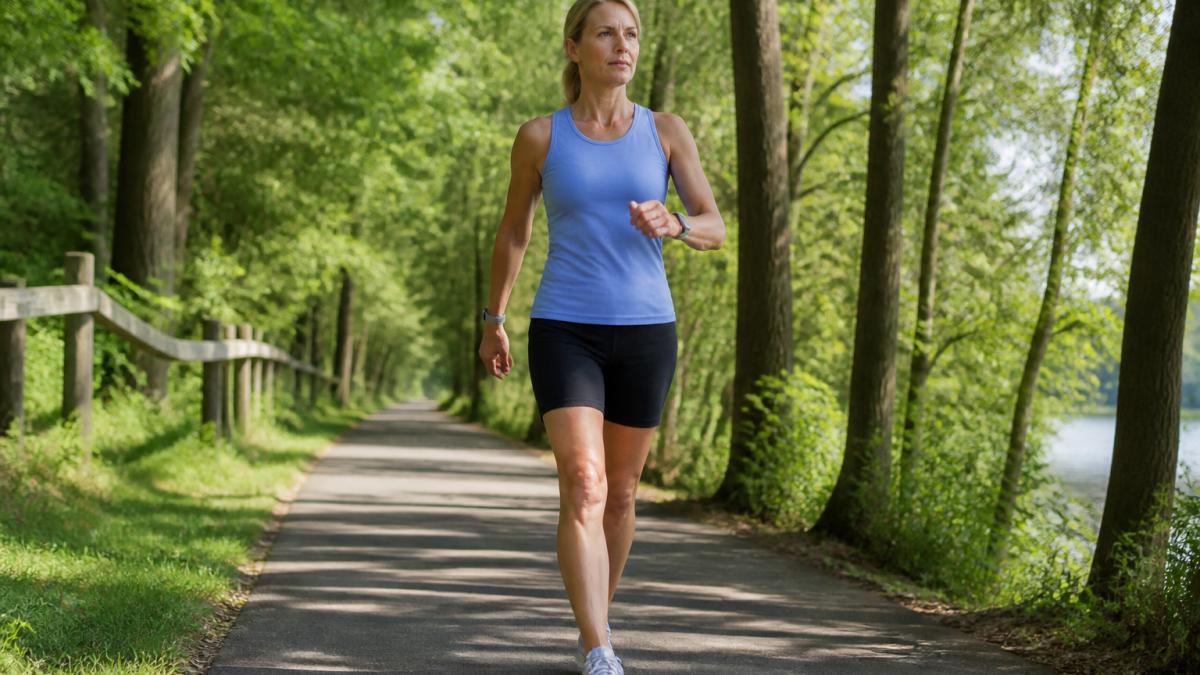
Walking is the most accessible way to improve circulation in your legs and feet, and it has the clearest evidence base. But "how long" depends less on the walking itself than on what is limiting your circulation: your starting point, the underlying cause, and how consistently you accumulate minutes.
Why walking works, the mechanism
Your leg muscles are a second pump: each contraction squeezes the deep veins and pushes blood back toward your heart against gravity. Sitting for long stretches idles that pump and blood pools in your calves and feet. Regular walking restores the pump rhythm, and over weeks the vessels adapt, becoming more responsive to flowing blood and better at dilating when muscles demand oxygen.
A realistic timeline by starting point
- Sedentary but otherwise healthy: Many people notice warmer feet and less end-of-day heaviness within 2 to 4 weeks of walking 30 minutes on most days. Measurable changes in how long you can walk before symptoms appear often show up by weeks 4 to 8.
- Mild symptoms with risk factors (high blood pressure, elevated cholesterol, former smoker): Expect 6 to 12 weeks of consistent walking before you can point to clear, durable changes. The blood vessels need more time to remodel when they have been under metabolic stress.
- Diagnosed peripheral artery disease or venous insufficiency: Walking is still central, but it is usually paired with medical treatment. Improvements in walking tolerance may take 3 to 6 months of a structured program, and some people need supervised exercise therapy. Do not use a home timeline to judge whether treatment is working, your clinician will track that.
A week-by-week progression that respects the variables
- Weeks 1-2: 15-20 minutes at a conversational pace, most days. The goal is habit and joint tolerance, not speed. If you have been inactive, this phase may need to be longer.
- Weeks 3-4: Build to 25-30 minutes. This is when many people first notice warmer extremities after a walk.
- Weeks 5-8: Hold 30-45 minutes on most days. This is the window where changes in numbness, skin color, and leg fatigue become noticeable for many people with mild, lifestyle-driven symptoms.
What walking will not fix on its own
Walking improves circulation by training your vascular system and restoring the muscle pump, but it does not open a narrowed artery, dissolve a clot, or repair a damaged valve. If structural vascular disease is the cause, walking is a supporting habit, not a substitute for evaluation and treatment, the biggest reason two people can walk the same amount and see very different timelines.
Supporting your circulation through daily movement is one of the most effective strategies available, and it costs nothing.
How to Improve Circulation in Legs Through Progressive Exercise
Walking is just the beginning. Your legs contain large muscle groups that pump blood back to your heart when active, your body's natural circulation engine.
Progressive exercise means gradually increasing intensity or duration, building capacity week by week rather than jumping into intense workouts.
Aerobic Exercise Beyond Walking
Aerobic exercise strengthens your cardiovascular system directly: your heart pumps more efficiently and your blood vessels become more responsive.
Effective aerobic options include:
- Cycling: 20-30 minutes on a stationary or outdoor bike, three to four times per week. Start at a comfortable pace where you can hold a conversation.
- Swimming: Excellent for circulation because water supports your weight while you move all major muscle groups. 20-30 minute sessions, two to three times per week.
- Running or jogging: More intense than walking. Start with intervals: two minutes jogging, one minute walking. Repeat for 20-30 minutes.
Most people see measurable circulation improvements with aerobic exercise within four to six weeks. Your legs feel lighter. Numbness decreases. Skin color in your extremities improves.
The sweet spot for aerobic exercise is moderate intensity. You should feel your heart working, but still be able to speak in short sentences. This intensity triggers vascular adaptation without causing injury.
Stretching and Flexibility Work
Stretching alone won't dramatically improve circulation. But flexibility work prevents muscle tension from restricting blood flow. Tight muscles compress blood vessels. Loose muscles allow blood to flow freely.
Add stretching after your main exercise:
- Calf stretches: Hold 30 seconds each leg, repeat twice
- Hamstring stretches: Reach toward your toes, hold 30 seconds
- Hip flexor stretches: Lunge position, hold 30 seconds each side
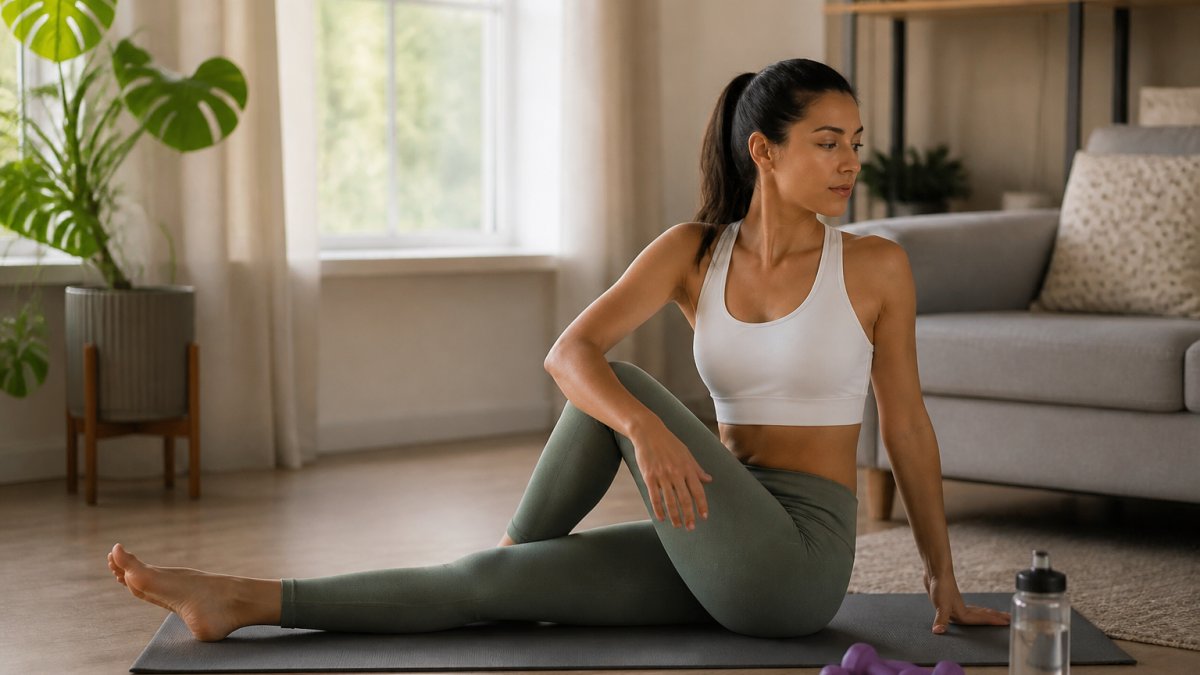
Yoga combines stretching with gentle movement. Many yoga poses specifically target leg circulation. A 20-30 minute yoga session two to three times weekly complements aerobic exercise well.
Nutrition and Hydration: Supporting Blood Vessels From Within
Your blood vessels are living tissue that need proper fuel, and diet affects circulation more than many people realize.
Hydration comes first. Your blood is roughly 55 percent water, and dehydration thickens it, making your heart work harder.
Nutrition supports vascular health through several mechanisms:
- Leafy greens contain nitrates that help blood vessels relax and dilate
- Berries contain antioxidants that protect blood vessel walls
- Fish and nuts provide omega-3 fatty acids that reduce inflammation in blood vessels
- Whole grains support healthy cholesterol levels
Avoid foods that constrict blood vessels. Excessive salt, refined sugar, and trans fats all impair circulation.
A balanced diet combined with consistent exercise produces faster circulation improvements than either alone.
Signs of Improving Circulation You Can Track
Tracking progress keeps you motivated, and knowing what to watch for helps you recognize subtle early improvements.
Clear signs that your circulation is improving:
- Warmer extremities: Your hands and feet feel warmer consistently, not just after exercise
- Faster color return: Press your fingernail bed until it turns white. Release. In healthy circulation, color returns within two seconds. Poor circulation takes longer.
- Reduced numbness: Tingling or numb sensations decrease in frequency and intensity
- Better skin color: Your skin tone becomes more consistent. Pale or blotchy areas improve
Most people notice at least two of these changes within three to four weeks of consistent exercise. By eight weeks, noticeable improvements are common.
Quitting Smoking and Weight Management for Vascular Health
Smoking damages blood vessels directly, causing them to constrict and lose flexibility. Quitting produces rapid improvements in circulation.
Within two to four weeks of quitting, your blood vessels begin healing. Within three months, circulation improvements become significant.
Weight management supports circulation through multiple pathways.
Modest weight loss, even five to ten pounds, noticeably improves circulation. Combined with regular walking and exercise, weight management accelerates your timeline for improvement.
Red Flags and When to Seek Medical Evaluation
Most cold hands and feet are not a disease. They are a normal response to temperature, stress, or sitting still too long, and they resolve within minutes of warming up or moving. This section helps you tell a temporary nuisance from a symptom that needs a clinician's eyes, and explains what happens when you go in.
Temporary cold extremities vs. a circulation disorder
A few patterns point toward a temporary, lifestyle-driven cause rather than a vascular disorder:
- Symptoms appear mainly in cold rooms or during stressful moments and resolve with warmth or movement.
- Both hands or both feet are affected symmetrically.
- There is no pain at rest, no skin breakdown, and no change in the shape or color of the limb.
- Symptoms improve within a few weeks of regular walking and hydration.
Patterns that suggest a circulation disorder rather than a temporary response include symptoms that persist in warm conditions, affect one limb far more than the other, wake you from sleep, or come with skin changes, sores, or swelling that does not respond to elevation.
Seek urgent care the same day for these
- Sudden severe coldness, pallor, or pain in one limb, especially if it came on quickly.
- Skin that turns purple, blue, or black, or a limb that feels cool and looks mottled.
- A wound, ulcer, or sore on the foot or lower leg that is not healing.
- Swelling in one leg that is painful, warm, or came on suddenly.
These can signal arterial occlusion, deep vein thrombosis, or critical limb ischemia, conditions where delay changes outcomes. Do not wait to see whether lifestyle changes help.
Schedule a routine evaluation if these apply
- Symptoms have not improved after 8 weeks of consistent walking and lifestyle changes.
- You have risk factors such as diabetes, high blood pressure, high cholesterol, kidney disease, or a history of smoking.
- You notice a consistent difference between your two arms or two legs in temperature, color, or pulse.
- You have a family history of early cardiovascular disease or a known clotting disorder.
What a medical evaluation actually involves
A clinician typically starts with a focused history and physical exam: checking pulses in your feet and ankles, comparing blood pressure in both arms, and looking at skin color, hair growth, and nail changes on the legs.
Treatment depends on the cause. For lifestyle-driven symptoms, the plan is usually the habits described in this article.
If your symptoms worsen despite consistent exercise, or if you develop new symptoms like severe pain, significant swelling, or skin color changes to purple or blue, seek medical evaluation immediately. These could indicate a vascular condition requiring professional treatment.
Lifestyle changes work well for circulation problems caused by sedentary behavior. They are not sufficient for arterial narrowing or other structural vascular issues, and no amount of walking should delay an evaluation when red flags are present.
Frequently Asked Questions
How long does it take for exercise to improve circulation?
Most people notice improved circulation within 2 to 4 weeks of consistent aerobic exercise performed 150 minutes per week. However, significant vascular adaptations take 8 to 12 weeks. Walking and moderate-intensity activities produce early benefits like reduced leg heaviness and warmer extremities within days to weeks, while deeper improvements in blood vessel function and arterial flexibility develop over months. Consistency matters more than intensity at the start.
What are signs of improving circulation you should look for?
Early signs include warmer hands and feet, reduced leg fatigue during daily activities, less swelling in the ankles and legs, and improved energy levels. You may notice wounds heal faster and skin color appears healthier. More advanced signs tracked over 8 to 12 weeks include sustained ability to walk longer distances without discomfort, improved exercise tolerance, and reduced cramping. Track these changes in a simple log to stay motivated and identify what works best for your body.
Can walking alone fix poor circulation, or do I need other interventions?
Walking is highly effective for mild to moderate circulation issues when performed consistently at 30 minutes per day, 5 days per week. However, poor circulation often benefits from a combined approach: walking plus stretching, dietary changes, hydration, and smoking cessation if applicable. Severe circulation disorders may require medical treatment alongside lifestyle changes. Start with walking and add complementary strategies based on how your body responds over the first 4 weeks.
How do I know if my circulation problem requires medical attention rather than lifestyle changes alone?
Seek medical evaluation if you experience persistent pain at rest, wounds that won't heal, skin color changes (pale, blue, or red patches), numbness or tingling that worsens, or chest pain. Also consult a doctor if lifestyle changes show no improvement after 8 to 12 weeks, or if poor circulation symptoms appeared suddenly. Your doctor can identify underlying conditions like arterial blockages or venous insufficiency that may need professional treatment alongside your exercise routine.