 ultimate-guide
Are Natural Supplements Safe Daily? A Complete Guide
Table of Contents
- Are Natural Supplements Safe to Take Every Day?
- The Myth That 'Natural' Automatically Means 'Safe'
- FDA Supplement Regulation Standards and What They Mean
- Supplement Drug Interactions You Need to Know About
- How to Choose High-Quality Supplements That Are Actually Safe
- When Daily Supplements Are Necessary vs. When Diet Is Enough
- Age-Specific Safety Considerations for Daily Supplement Use
- Conclusion
- Frequently Asked Questions
Last Updated: September 25, 2026
Are Natural Supplements Safe to Take Every Day?
Whether natural supplements safe daily depends on several factors: the specific supplement, your health status, current medications, and the quality of the product itself. Many people assume that "natural" automatically means safe, but that's where the confusion starts. The truth is more nuanced. Daily supplement use can be beneficial for some people in specific situations, but it carries real risks if you don't understand what you're taking and why.
This guide breaks down what you need to know to make informed decisions about whether natural supplements are safe for your daily routine.
The short answer: natural supplements can be safe daily, but only when you choose high-quality products, understand your individual health needs, and consult with a healthcare provider about potential interactions with medications or existing conditions.
The Myth That 'Natural' Automatically Means 'Safe'
One of the most dangerous assumptions people make is that natural equals safe. Poison ivy is natural. Arsenic is natural. The word "natural" on a label tells you where an ingredient comes from, not whether it's safe at any dose or safe for you specifically.
Herbal remedies and botanical products can be powerful, which is exactly why they demand respect. A supplement that's potent enough to produce health benefits is potent enough to cause harm if used incorrectly. Many herbal products contain bioactive compounds that act on your body's systems the same way pharmaceutical drugs do. The difference is that drugs undergo rigorous clinical trials before reaching the market, while supplements operate under a different regulatory framework.
Consider comfrey, an herb traditionally used for wound healing. It contains alkaloids that can cause liver toxicity with regular use. Or kava, marketed for stress relief, which has been linked to liver damage in some users. These are natural products with real adverse events associated with them. The "natural" label didn't prevent those problems, understanding the actual science did.
This is where quality matters enormously. A poorly manufactured supplement might contain contaminants, inconsistent dosages, or undisclosed ingredients. A high-quality supplement from a reputable manufacturer will have standardized extracts, third-party certification, and transparent labeling. The difference between a safe daily supplement and a risky one often comes down to who made it and whether they followed proper quality control standards.
FDA Supplement Regulation Standards and What They Mean
Understanding how the FDA regulates supplements is critical to understanding their safety profile. Unlike pharmaceutical drugs, supplements don't require FDA approval before they hit the market. This is a fundamental difference that shapes everything about how you should approach supplement safety.
The FDA classifies supplements as food products, not drugs. This means manufacturers can sell them without proving efficacy or safety in advance. However, the FDA can take action against supplements that are adulterated, misbranded, or found to be unsafe after they're on the market. The burden of proof shifts: the FDA must demonstrate a problem exists, rather than manufacturers proving safety upfront.
According to FDA guidance on dietary supplements, manufacturers are responsible for ensuring their products are safe and that label claims are truthful and not misleading. This places responsibility on the company, but it also means consumers need to be more vigilant than they would be with prescription medications.
The FDA does require that supplement labels include certain information: the supplement facts panel, ingredient lists, and manufacturer contact information. But label claims about health benefits are restricted. Manufacturers cannot claim a supplement treats, prevents, or cures a disease. They can make "structure-function" claims, statements about how a nutrient supports normal function, but these claims must be truthful and substantiated.
This regulatory framework means that daily supplement use requires your own due diligence. You're responsible for researching whether a supplement is appropriate for your situation, checking for potential interactions, and verifying that the manufacturer is trustworthy. It's not the FDA's job to pre-screen every supplement for your individual needs.
Supplement Drug Interactions You Need to Know About
One of the most overlooked risks with daily supplements is their potential to interact with prescription medications. These interactions can reduce the effectiveness of your medication, increase side effects, or create entirely new health problems. This is where "natural" becomes genuinely dangerous.
Common interactions include:
- St. John's Wort and antidepressants: This herbal supplement can reduce the effectiveness of SSRIs and other psychiatric medications, potentially leading to worsening depression or anxiety.
- Ginkgo biloba and blood thinners: Ginkgo can increase bleeding risk when combined with warfarin, aspirin, or other anticoagulants.
- Garlic supplements and blood thinners: High-dose garlic supplements have anticoagulant properties and can potentiate the effects of blood-thinning medications.
- Calcium supplements and certain antibiotics: Calcium can bind to some antibiotics and prevent proper absorption, reducing their effectiveness.
- Vitamin K and warfarin: Inconsistent vitamin K intake can interfere with warfarin dosing and increase clotting risk.
Beyond direct drug interactions, some supplements can cause drug-nutrient depletion, they interfere with how your body absorbs or metabolizes certain medications. For example, some supplements can deplete your body's stores of essential nutrients that your medications depend on, or they can interfere with the liver enzymes that process your drugs.
This is why consulting with a healthcare provider before starting any daily supplement regimen is essential, especially if you take prescription medications. Your doctor or pharmacist can review your specific medication list and flag potential contraindications. Don't assume that because a supplement is sold over-the-counter, it's safe to combine with your prescriptions.
How to Choose High-Quality Supplements That Are Actually Safe
If you've decided that a daily supplement makes sense for your situation, the next step is finding one that's actually safe and effective. Not all supplements are created equal. The difference between a quality product and a substandard one often comes down to third-party testing, standardized extracts, and transparent labeling.
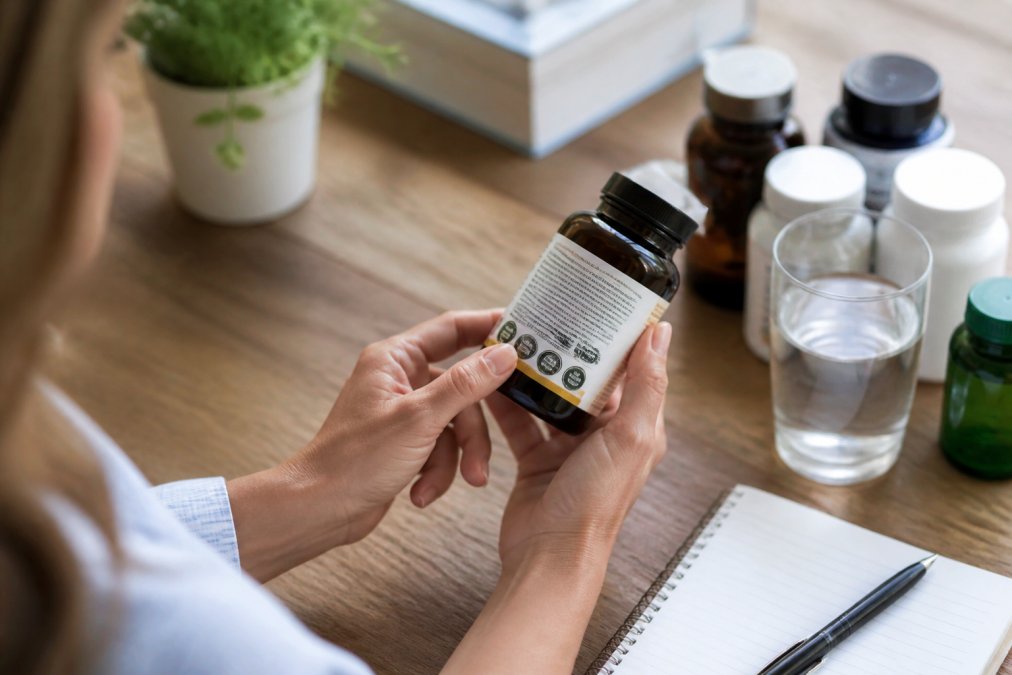
Look for these markers of quality:
- Third-party certification: Organizations like NSF International, USP (United States Pharmacopeia), and ConsumerLab conduct independent testing to verify that supplements contain what they claim and are free from contaminants. A third-party certification seal on the label is a strong signal of quality control.
- Standardized extracts: For herbal products, standardized extracts ensure consistent potency across batches. Rather than just listing "ginger root," a quality product will specify the percentage of active compounds (e.g., "standardized to 5% gingerols").
- Transparent labeling: The label should clearly list all ingredients, their amounts, and the source. Avoid products with proprietary blends that hide the individual doses of ingredients.
- Reputable manufacturer: Research the company. Do they have a track record? Can you find independent reviews? Do they publish their testing results? Companies that are transparent about their manufacturing processes are generally safer bets.
- Bioavailability considerations: Some forms of supplements are absorbed better than others. For example, certain mineral supplements (like chelated minerals) are absorbed more efficiently than others. If a supplement's bioavailability is poor, you're paying for something your body can't use effectively.
Flu-Jack supplements are formulated with these standards in mind. Our products include transparent ingredient labeling so you know exactly what you're taking.
When evaluating any supplement, ask yourself: Can I verify the manufacturer's claims? Is there evidence supporting the supplement's efficacy? Does the label clearly disclose all ingredients and amounts? If you can't answer yes to these questions, move on to a different product.
When Daily Supplements Are Necessary vs. When Diet Is Enough
This is the question that often gets glossed over: Do you actually need a daily supplement, or would a balanced diet be sufficient?
For most healthy adults eating a reasonably varied diet, natural supplements safe daily supplementation isn't necessary.
However, certain situations do warrant daily supplementation:
- Documented nutritional deficiency: If blood work shows you're deficient in a specific nutrient (vitamin D, B12, iron, etc.), supplementation makes sense until your levels normalize.
- Dietary restrictions: Vegans may need B12 supplementation. People with dairy allergies might benefit from calcium supplementation. These are legitimate gaps that diet alone can't fill.
- Malabsorption conditions: Certain digestive disorders (celiac disease, Crohn's disease, IBS) can impair nutrient absorption, making supplementation necessary.
- Pregnancy and breastfeeding: Prenatal vitamins and certain nutrients become critical during these periods.
- Age-related needs: Older adults may struggle to absorb certain nutrients from food alone, making supplementation more relevant.
- Therapeutic dosages for specific conditions: Some supplements have evidence supporting their use for specific health conditions (omega-3s for cardiovascular health, glucosamine for joint health, etc.), though the evidence quality varies.
Age-Specific Safety Considerations for Daily Supplement Use
Safety profiles for supplements shift across the lifespan. What's safe for a healthy 30-year-old might be problematic for an 75-year-old with multiple chronic conditions.
Conclusion
The question of whether natural supplements are safe daily doesn't have a one-size-fits-all answer. Safety depends on the specific supplement, your individual health status, your medications, and the quality of the product you choose. "Natural" is not a safety guarantee, it's a marketing descriptor. Real safety comes from understanding what you're taking, why you're taking it, and whether the evidence supports its use for your situation.
Frequently Asked Questions
Is it healthy to take natural supplements every day?
Daily supplement use can be safe when you choose high-quality products and stay within recommended dosages. However, safety depends on the specific supplement, your health status, and any medications you take. Some supplements are designed for daily use, while others should be taken intermittently or under medical supervision. Always consult your physician before starting a daily supplement regimen, especially if you have existing health conditions or take prescription medications.
How does the FDA regulate natural supplements?
The FDA regulates dietary supplements under the Dietary Supplement Health and Education Act (DSHEA), which treats them differently from drugs. Manufacturers are responsible for ensuring supplements are safe before marketing them, but the FDA does not pre-approve supplements like it does medications. The FDA can take action against unsafe supplements after they reach the market. This means third-party testing and quality certifications become especially important when choosing products.
Can natural supplements interact with prescription medications?
Yes, natural supplements can interact with prescription medications in significant ways. For example, certain herbal products can reduce medication effectiveness, increase side effects, or interfere with nutrient absorption. St. John's Wort affects many psychiatric medications, while ginger and garlic can influence blood thinners. Before taking any daily supplement alongside prescription drugs, discuss it with your pharmacist or doctor to identify potential supplement drug interactions and ensure safety.
What makes a supplement high-quality and trustworthy?
High-quality supplements display third-party certification seals from organizations like NSF International, USP, or ConsumerLab, indicating independent testing for purity and potency. Check the label for standardized extracts, a complete ingredient list without unnecessary fillers, and the manufacturer's contact information. Reputable brands provide transparency about sourcing and manufacturing processes. Avoid products making exaggerated health claims.