 how-to
How to Use Herbs to Support Your Immune System
Last Updated: November 1, 2026
Quick Summary
Herbs can play a supporting role in a healthy routine, but they cannot prevent colds or flu. Immune support comes first from sleep, nutrition, activity, stress management and vaccines, with herbs as an add-on. Human evidence for most herbs immune claims is modest or mixed.
- Herbs immune support is best seen as an add-on to sleep, diet, exercise and vaccines.
- No herb in this guide has been shown to prevent or cure infections.
- Garlic, ginger and turmeric can be used in cooking at culinary amounts.
- Blood thinners can interact with garlic, ginger and turmeric, so check with a clinician.
- Choose supplements with third-party testing and a named botanical species and plant part.
Table of Contents
- What Boosting Immunity Really Means
- Natural Ways to Support the Immune System Beyond Herbs
- Herbs for Immune System Support: Profiles and Traditional Uses
- Herbs and Spices for Immunity: Kitchen Options and How Much to Use
- How to Use Herbs Safely: Dosing, Interactions and Who Should Avoid Them
- How to Choose a Quality Herbal Supplement
- Setting Realistic Expectations and Knowing When to See a Doctor
- Frequently Asked Questions
The honest answer to "can you boost immunity with herbs" is more nuanced than most supplement marketing suggests, since the research on herbs immune support remains mixed. Herbs can play a supporting role in a healthy routine, but they are not a shield against colds and flu. National Institutes of Health Office of Dietary Supplements is a good starting point for checking what the research says about individual ingredients.
This guide explains what immunity really means, which herbs are traditionally used for immune support, how to use them safely, and how to choose a quality product. Many articles on this topic skip the hard parts: evidence quality, interactions, and when to see a doctor. This guide covers those too.
What Boosting Immunity Really Means
The phrase "boost immunity" is misleading. Your immune system is not a dial you can turn up. It is a network of cells, tissues and signals that works best when it is in balance.
In practice, supporting immune function means giving your body the basics it needs: enough sleep, regular activity, adequate nutrition, and not too much stress.
A common mistake is expecting a single product to prevent illness.
Natural Ways to Support the Immune System Beyond Herbs
Before you spend money on herbs, look at the habits that have the strongest evidence behind them.
- Sleep consistently. Most adults need seven or more hours per night.
- Eat a varied diet. Fruits, vegetables, whole grains and lean proteins supply the vitamins and minerals immune cells use.
- Move daily. Regular moderate exercise is linked with healthier immune function.
- Manage stress. Long-term stress can weaken the body's response to infection.
- Wash hands and stay up to date on vaccines. These are the most reliable tools for avoiding infection.
If you are low on a specific nutrient such as vitamin D or zinc, a doctor or lab test can confirm it. Correcting a true deficiency matters more than adding extras to a diet that already has enough.
Herbs for Immune System Support: Profiles and Traditional Uses
Many herbs immune support claims rest on a long history of use in traditional medicine. That history is worth knowing, but it is not the same as proof that they work. The most useful way to read this section is by evidence tier: traditional use (long history, little human data), laboratory findings (test-tube or animal studies), and human clinical evidence (trials in people, often small or mixed). Most herbs for immune support sit in the first two tiers, which is why realistic expectations matter.
Garlic, Ginger and Turmeric
Garlic (Allium sativum) has been used for centuries in cooking and folk medicine.
Ginger (Zingiber officinale) is commonly used to ease nausea and sore throats. Its gingerols and shogaols are the compounds studied for anti-inflammatory and antioxidant activity.
Turmeric (Curcuma longa) contains curcumin, a compound studied for its anti-inflammatory activity. Curcumin is poorly absorbed on its own, which is why many supplements add black pepper extract (piperine) to improve absorption.
Echinacea, Astragalus and Andrographis
Echinacea is one of the most studied herbs for colds.
Astragalus (Astragalus membranaceus) is a traditional Chinese herb often used as a general tonic. Laboratory studies suggest its polysaccharides may influence immune signaling, but human evidence for immune effects is limited.
Andrographis (Andrographis paniculata) has been studied for upper respiratory symptoms in some trials, often in combination with other herbs. These studies are small, so treat any benefit as tentative.
Tulsi, Neem and Amla in Ayurvedic Tradition
Tulsi (holy basil, Ocimum tenuiflorum) is widely used in Ayurveda and is often taken as a tea. It is valued for general wellness, and early research is promising but preliminary.
Neem (Azadirachta indica) has a long history in Ayurvedic practice. It is bitter and can be harsh in large amounts, so follow product directions closely.
Amla (Indian gooseberry, Phyllanthus emblica) is rich in vitamin C. Its benefits are often linked to that nutrient content, which is a useful reminder that food sources count.
Herbs and Spices for Immunity: Kitchen Options and How Much to Use
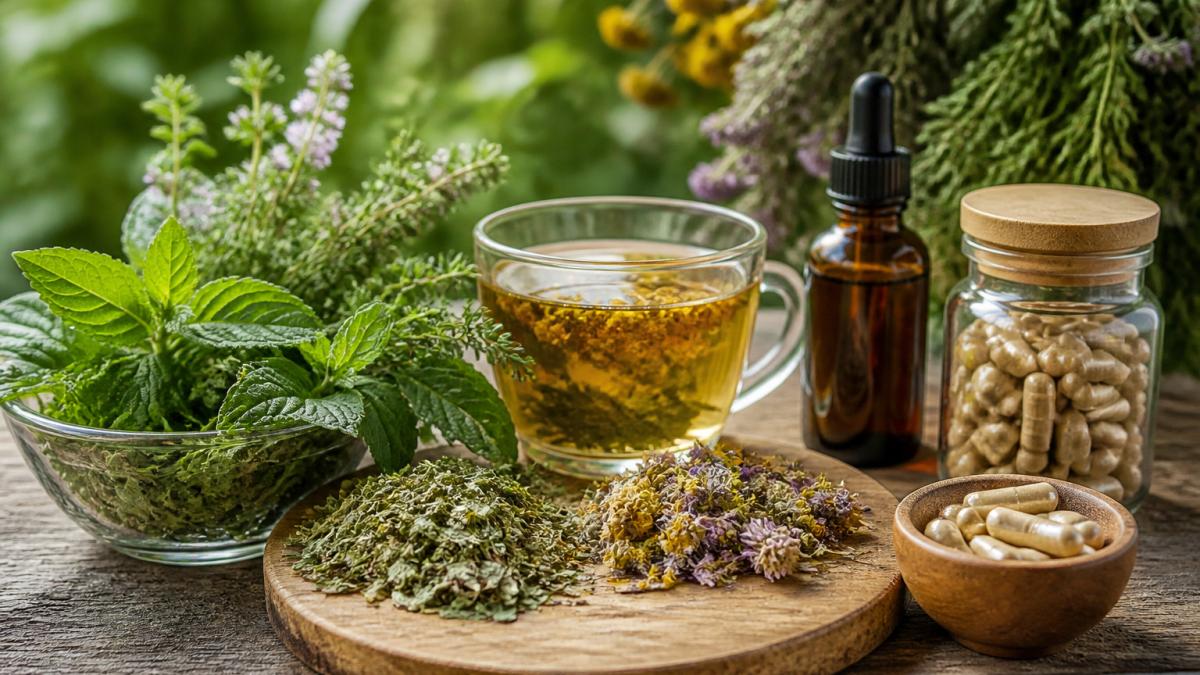
You do not need a supplement to use herbs. Many common kitchen ingredients can add flavor and variety to meals.
- Fresh garlic: add to soups, sauces and roasted vegetables.
- Fresh ginger: steep slices in hot water for a simple tea.
- Turmeric: add a teaspoon of ground spice to rice, eggs or stews.
- Cinnamon: stir into oatmeal or herbal tea.
- Fire cider: a vinegar-based tonic made with garlic, ginger, horseradish and honey. Use a small glass, not a large daily dose.
Culinary amounts are generally safe for most adults. Large doses of concentrated extracts are a different matter, and those should follow label directions or a professional's advice.
Here is a quick reference for common kitchen herbs and spices and how each one is typically used.
| Ingredient | How to use | Note |
|---|---|---|
| Fresh garlic | Add to soups, sauces and roasted vegetables | Common culinary use |
| Fresh ginger | Steep slices in hot water for a simple tea | Simple tea |
| Turmeric | Add a teaspoon of ground spice to rice, eggs or stews | Ground spice in cooking |
| Cinnamon | Stir into oatmeal or herbal tea | Use in oatmeal or tea |
| Fire cider | Use a small glass, not a large daily dose | Vinegar-based tonic |
How to Use Herbs Safely: Dosing, Interactions and Who Should Avoid Them
Herbs are not harmless just because they are natural. Many interact with prescription drugs, and the risk rises with concentrated extracts and supplements. This section covers the practical safety questions most articles skip: which herbs interact with which medicines, who should avoid them, and how to time doses around surgery and prescriptions.
Dosing and Preparation: Tea, Food, Extracts and Supplements
Dose guidance for herbs is genuinely difficult because products vary so much. A tea made from a teaspoon of dried herb, a standardized extract capsule, and a tincture are not interchangeable. In practice:
- Culinary amounts in food are generally safe for most adults and are the lowest-risk way to use herbs.
- Teas and infusions are a traditional preparation; strength depends on how much herb is used and how long it steeps.
- Extracts and capsules are concentrated and are where most interaction and dosing concerns arise. Follow the label, and do not stack multiple products with the same herb.
- Evidence-based dosing may be unavailable for many herbs, because the studied form and dose often differ from what is sold. A product with a tiny amount of a studied herb is unlikely to match study results.
Herb-Drug Interactions to Know
- Blood thinners (anticoagulants and antiplatelets): garlic, ginger, turmeric, and some other herbs can increase bleeding risk when combined with warfarin, apixaban, rivaroxaban, clopidogrel, or aspirin. This is one of the most common and most serious interactions.
- Immune-suppressing medicines: echinacea and similar herbs may interfere with drugs that dampen the immune system, such as those used after transplant or for autoimmune disease.
- Diabetes and blood pressure medicines: some herbs can add to the effect of these drugs, so monitor and tell your clinician.
- St. John's wort is a well-known example of an herb that changes how the liver processes many drugs, reducing their effectiveness. It is not an immune herb, but it illustrates why "natural" does not mean "no interactions."
Who Should Avoid or Check First
- Pregnancy and breastfeeding: many herbs have not been tested in these groups, so avoid them unless a clinician approves.
- Autoimmune conditions: people with lupus, rheumatoid arthritis, MS, or similar conditions should check with a doctor before taking immune-stimulating herbs.
- Children and older adults: dosing and interactions differ, so ask a pharmacist or doctor first.
- Surgery: several herbs, including garlic, ginger, and ginkgo, can affect bleeding or blood sugar. Stop them before scheduled surgery only on a clinician's advice, and tell your surgical team about every supplement you take.
- Allergies: plant allergies can cross-react with herbal products; read labels for the botanical species and plant part.
Always tell your doctor and pharmacist about every supplement you take, including dose and frequency. The FDA guidance on dietary supplements explains what labels can and cannot promise, and a pharmacist can screen for interactions with your current prescriptions.
How to Choose a Quality Herbal Supplement
Supplement quality varies. Use these checks before you buy.
- Look for third-party testing. Seals from independent labs confirm that the product contains what the label says.
- Check the full ingredient list. Fillers and binders are common. Make sure the herb is listed in a meaningful amount, not just as a trace.
- Confirm the herb and part used. Labels should name the botanical species and plant part, such as "Echinacea purpurea root."
- Compare doses with the research. A product with a tiny amount of a studied herb is unlikely to match study results.
- Avoid big promises. Claims that a supplement "prevents" or "cures" illness are a red flag.
Flu-Jack offers all-natural supplements, so you can review what is included on the product pages. For current pricing or bulk options, check the Flu-Jack website, since costs depend on the product and order size.
Setting Realistic Expectations and Knowing When to See a Doctor
The evidence for herbal supplements is generally modest. Give any new product several weeks, and keep the basics in place.
Seek medical care without delay if you have trouble breathing, chest pain, confusion, a high fever that will not break, or symptoms that get worse after a few days. Those signs need a clinician, not a supplement.
Herbs work best as one part of a plan that includes good sleep, a varied diet, regular movement, vaccination and common-sense hygiene.
Frequently Asked Questions
Can herbs actually boost immunity?
Herbs can support normal immune function, but no herb is proven to boost immunity in a dramatic or lasting way. Most traditional immune herbs, such as garlic, echinacea and elderberry, have mixed or limited clinical evidence, and studies vary widely in quality and size. Treat herbs as one part of a routine that includes sleep, nutrition, physical activity, hand hygiene and vaccinations. If you have a persistent or severe infection, contact a healthcare provider rather than relying on herbs alone.
Are herbal supplements safe to take every day?
Many people take herbal supplements daily without problems, but safety depends on the herb, the dose and your health history. Some herbs can cause stomach upset, allergic reactions or interact with medications, including blood thinners, diabetes drugs and immunosuppressants. Pregnant or breastfeeding women, children, and people with autoimmune conditions should check with a clinician before starting any new herb. Follow label directions and stop use if you notice unusual symptoms.
Can herbs interact with medications?
Yes. Herbs such as ginkgo, garlic supplements, ginger in high amounts and St. John's wort can affect how some medications work, sometimes raising bleeding risk or reducing drug effectiveness. Echinacea may interact with immunosuppressant drugs. Tell your pharmacist or doctor about every supplement you take, including those bought without a prescription, so they can check for conflicts before you combine them.
Which herbs are commonly used for immune support?
Commonly used herbs for immune support include garlic, echinacea, elderberry, ginger, turmeric, astragalus and andrographis. Ayurvedic traditions also use tulsi, neem and amla. The research on each varies, with some showing modest effects in small trials and others relying mainly on traditional use. Check that any product you buy lists the herb by its botanical name and standardized amount, and use it as a supplement to healthy habits rather than a replacement.