 blog
blog
Emergen-C Alternatives for Adults: 2026 Guide
Table of Contents
- What Immune-Support Supplements Do and Why Adults Choose Alternatives
- Low-Sugar Alternatives to Emergen-C: What to Look For
- Emergen-C vs. Airborne: Key Differences in Formula and Evidence
- Vitamin C Powder vs. Tablets: Which Format Works Best for Daily Use
- Daily Vitamin C for Adults: Dosage, Safety, and Upper Limits
- Key Ingredients in Immune-Support Formulas: Zinc, Herbs, and Antioxidants
- How to Choose the Right Emergen-C Alternative for Your Wellness Goals
- Frequently Asked Questions
Last Updated: October 12, 2026
What Immune-Support Supplements Do and Why Adults Choose Alternatives
Immune-support supplements provide micronutrients and botanicals, typically vitamin C, zinc, elderberry, and B vitamins, intended to help maintain healthy immune function.
Many adults use them during cold and flu season or as part of a daily routine. Plenty of options exist beyond Emergen-C, and knowing what's out there helps you choose one that fits your goals.
At Flu-Jack, we know one-size-fits-all supplements don't work for everyone: some want lower sugar, others prefer tablets over powders, and many need specific ingredient profiles or doses. This guide covers the landscape of Emergen-C alternatives for adults and how to pick the right one.
Low-Sugar Alternatives to Emergen-C: What to Look For
Traditional Emergen-C packets contain added sugars some adults prefer to avoid. For low-sugar Emergen-C alternatives, look for products sweetened with sugar alcohols, stevia, or monk fruit.
The difference isn't just the sweetener: many low-sugar formulas also cut total carbohydrates while keeping the same active ingredient doses. Check the supplement facts label to confirm vitamin C, zinc, and other key nutrients stay at effective levels.
Several product categories fit this need:
- Powder packets with sugar substitutes, similar convenience to original Emergen-C but without the sugar spike
- Tablet and capsule formats, naturally contain minimal to no added sugars
- Liquid drink mixes, often available in both regular and reduced-sugar versions
- Effervescent tablets, dissolve in water like powder but typically contain less sugar
Look beyond the sweetener name: some products blend sweeteners for better taste without sugar's caloric or glycemic impact. Serving size matters too, a smaller packet or fewer tablets per dose may contain less sweetener overall even if the concentration is higher.
Emergen-C vs. Airborne: Key Differences in Formula and Evidence
Both Emergen-C and Airborne are mainstream immune-support products built around different ingredient philosophies and formats. The useful question isn't "which is better" but "which formula and format matches what I actually want."
Format and base formula
Emergen-C is a flavored powder packet dissolved in water, built on vitamin C plus a B-vitamin complex (B6, B12, folate) and often zinc. Airborne comes as chewables, gummies, and lozenges, pairing vitamin C and zinc with botanicals like ginger, echinacea, and sometimes elderberry.
Ingredient emphasis
- Emergen-C positions itself around energy plus immune support, which is why the B-complex is prominent.
- Airborne positions itself around cold-season support, which is why botanicals are prominent.
- Both include vitamin C and zinc, so the real differentiator is the supporting cast, not the headline nutrients.
What the evidence actually supports
It helps to separate the claims by ingredient rather than by brand:
- Vitamin C: Established role in normal immune function. Evidence that routine supplementation prevents colds in the general adult population is weak; some research suggests modest benefit in people under extreme physical stress.
- Zinc: Recognized role in immune cell function. Lozenges taken within about 24 hours of symptom onset have some research support for shortening cold duration, though results vary by dose and formulation.
- Echinacea: Traditional use is well documented, but clinical results are mixed and depend heavily on the specific preparation and dose.
- Elderberry: Some small studies suggest modest cold-season support; high-quality clinical evidence remains limited.
- B vitamins: Support energy metabolism and immune cell development, but they are not cold-prevention ingredients.
Neither brand has strong clinical evidence that it prevents colds or reliably shortens them. Both simply supply nutrients with supportive roles in different formats and flavors.
Practical differences adults notice
- Format: Powder (Emergen-C) versus chewables, gummies, and lozenges (Airborne).
- Herbals: Airborne includes botanicals; standard Emergen-C does not.
- Flavor variety: Emergen-C generally offers more powder flavor options.
- Sugar: Original versions of both contain added sugars; both brands offer lower-sugar variants, so compare the supplement facts panel rather than the front label.
Vitamin C Powder vs. Tablets: Which Format Works Best for Daily Use
Format affects convenience, absorption, and how consistently you'll actually use a product. Knowing the trade-offs helps you pick one that sticks.
Vitamin C powder packets dissolve in water into a flavored drink. They offer flexible water ratios, are easy to swallow, and come in more flavors, but require water and mixing time, making them less portable.
Tablets and capsules are maximally portable with no preparation, just take with water. Ideal for busy or frequent-travel schedules, though flavor variety is limited and some adults dislike swallowing pills.
Chewables and lozenges need no water and are portable, but usually contain more added sugars or sweeteners than tablets for palatability.
| Format | Portability | Preparation Time | Taste Options | Best For |
|---|---|---|---|---|
| Powder packets | Moderate | 2-3 minutes | Wide variety | Home/office routines |
| Tablets/capsules | High | None | Minimal | Travel, busy schedules |
| Chewables | High | None | Moderate | On-the-go convenience |
| Lozenges | High | None | Limited | Sore throat support |
Match format to lifestyle: powder suits home routines, tablets suit constant movement. The best format is the one you'll use consistently.
Daily Vitamin C for Adults: Dosage, Safety, and Upper Limits
The recommended dietary allowance for vitamin C in adults is 75-90 mg daily for most people, with smokers needing an additional 35 mg.
Higher doses of vitamin C are generally recognized as safe by most health authorities, but there are practical limits.
For daily vitamin C for adults, consider your total intake from all sources: food, supplements, and fortified products. Citrus fruits, berries, and vegetables contribute to your daily total.
Some adults take higher doses during cold season or at the first sign of illness, then scale back.
If you take other medications or have health conditions affecting kidney function, circulation, or nutrient absorption, discuss vitamin C supplementation with a healthcare provider before starting a new routine.
Key Ingredients in Immune-Support Formulas: Zinc, Herbs, and Antioxidants
Beyond vitamin C, several other ingredients appear frequently in immune-support formulas.
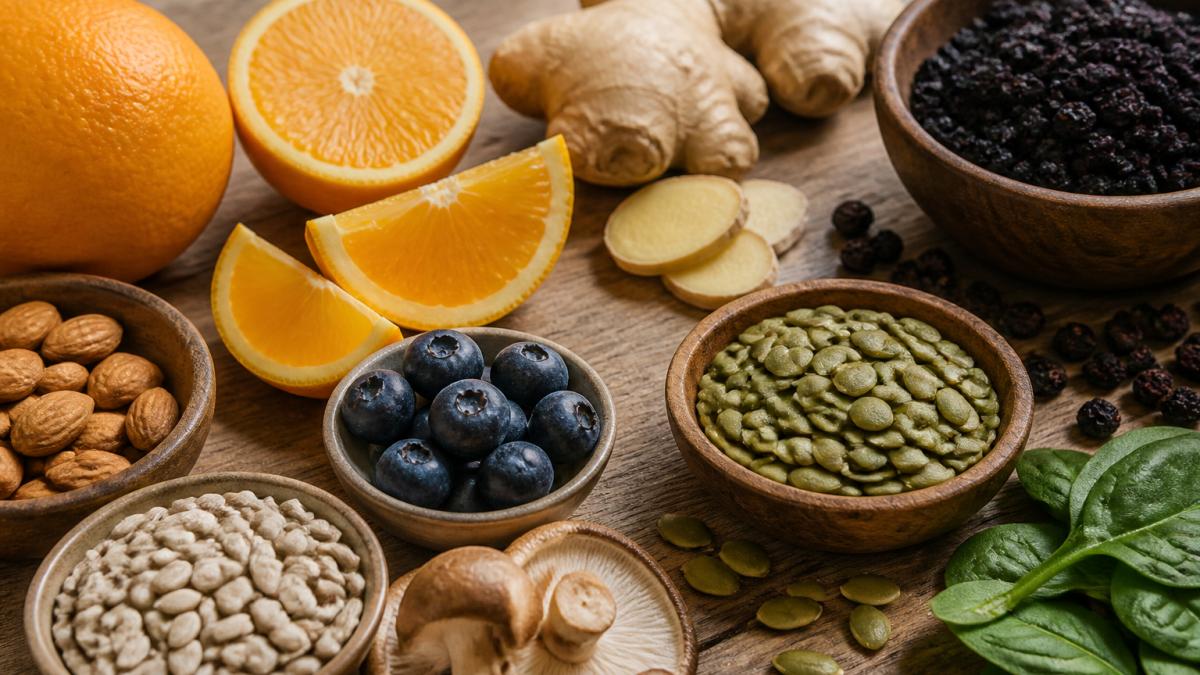
Zinc plays a recognized role in immune cell function. Most formulas contain 8-15 mg per serving; the upper intake level is 40 mg daily for adults.
Elderberry, a traditional botanical containing anthocyanins, has been used in herbal medicine for centuries. Some research suggests modest cold-season support, though high-quality clinical evidence remains limited.
Echinacea has traditional use in immune support, but clinical evidence is mixed and often depends on the specific preparation and dose.
B vitamins (B6, B12, folate) support energy metabolism and immune cell development. They're included in many formulas, particularly powder packets like Emergen-C, which emphasizes the B-complex.
On a supplement facts label, check specific doses of each ingredient.
How to Choose the Right Emergen-C Alternative for Your Wellness Goals
This section maps common adult goals to specific product types, then adds two filters most guides skip: cost per serving and adult safety.
Step 1: Match your goal to a product type
- Filling a nutrient gap: If your diet is low in vitamin C-rich foods, a simple vitamin C tablet or a basic powder at 500-1,000 mg per serving covers the gap without extra botanicals.
- Convenient daily use: A tablet or capsule removes preparation friction and is the easiest to keep consistent.
- Hydration plus nutrients: A powder packet or effervescent tablet doubles as a flavored drink, which helps adults who struggle to drink enough water.
- Cold-season support: A zinc lozenge taken at symptom onset, or a formula with zinc plus elderberry, aligns with the ingredients that have the most supportive research.
- Reducing packaging: A bulk powder tub or a large tablet bottle produces less waste than single-serve packets.
Step 2: Apply your dietary and accessibility filters
- Sugar-conscious: Choose sugar-free or low-sugar versions; check total carbohydrates, not just "added sugars."
- Vegan: Confirm the vitamin D source (D3 is often animal-derived; D2 is plant-based) and check for gelatin in capsules and gummies.
- Allergen-sensitive: Gummies and chewables may contain gelatin, soy, or gluten; powders may contain added colors.
- Caffeine-avoiding: Some "energy" immune powders include caffeine or green tea extract, read the label if you are sensitive.
- Digestive sensitivity: Sugar alcohols like sorbitol and maltitol can cause bloating; stevia and monk fruit are usually gentler.
Step 3: Compare cost per serving, not package price
A large tub can look expensive next to a small box of packets but cost far less per dose. To compare fairly:
- Divide the package price by the number of servings listed on the label.
- Note the active-ingredient dose per serving (for example, 1,000 mg vitamin C versus 500 mg).
- Divide again by the dose if you want cost per gram of vitamin C.
Typically, bulk powders cost least per serving, tablets and capsules fall in the middle, and single-serve packets and gummies cost most. The trade-off is convenience, you pay for portability and taste.
Step 4: Run the adult safety check
- Vitamin C: The upper intake level is 2,000 mg per day for most healthy adults. Regularly exceeding it may raise kidney stone risk in susceptible people, especially those with a personal or family history of kidney disease.
- Zinc: The upper intake level is 40 mg per day. Long-term high-dose zinc can interfere with copper absorption.
- Medication interactions: High-dose vitamin C can affect certain lab tests and may interact with some medications; zinc can interfere with certain antibiotics when taken at the same time. If you take prescription medication, space doses and check with a clinician.
- When to consult a professional: Kidney disease, a history of kidney stones, pregnancy, or any chronic condition warrants a conversation with a healthcare provider before starting a high-dose product.
Step 5: Verify quality, then commit
Look for third-party testing or a recognizable quality seal to confirm the label matches the contents. Once you choose, stick with one product for at least 30 days to judge fit, consistency beats constant switching.
Frequently Asked Questions
What is the best alternative to Emergen-C for adults?
The best alternative depends on your priorities. If you want lower sugar, look for powders with stevia or monk fruit sweeteners. If you prefer tablets or gummies, options with vitamin C, zinc, and elderberry offer similar immune support. If circulation health matters to you, choose formulas that include those specific nutrients. Flu-Jack's all-natural supplements are designed for daily immune support and healthy circulation, making them a solid choice for adults seeking natural ingredients without unnecessary additives.
How much vitamin C should an adult take daily?
The recommended dietary allowance (RDA) for vitamin C is 90 mg daily for adult men and 75 mg daily for adult women. The upper intake level is 2,000 mg per day. Most immune-support supplements contain 500-1,000 mg of vitamin C per serving. Taking more than the upper limit regularly may cause digestive discomfort. If you're taking multiple supplements or have kidney concerns, consult your healthcare provider about your total daily intake.
Do Emergen-C alternatives actually support immune health?
Vitamin C, zinc, and elderberry have research supporting their role in immune function. Vitamin C supports white blood cell production, zinc helps regulate immune responses, and some studies suggest elderberry may reduce cold symptom duration. However, no supplement prevents illness outright. Consistent use as part of a routine, combined with sleep, exercise, and stress management, offers the best results. Look for products with clinical evidence behind their specific ingredients.
Is vitamin C powder better than tablets or gummies?
Each format has trade-offs. Powders mix into water or juice and may absorb faster, making them convenient for travel or daily routines. Tablets are portable and require no mixing. Gummies are easier to take but often contain added sugar. Bioavailability (how well your body absorbs the nutrient) depends more on the specific formulation and your digestive health than the format itself. Choose based on convenience and your dietary preferences, especially if you're watching sugar intake.