 blog
blog
Emergen-C vs Natural Supplements: Which Works Better
Table of Contents
- What Emergen-C Is and What It Contains
- Emergen-C Alternatives: Natural Supplement Options
- Emergen-C vs. Vitamin C: Understanding the Difference
- Vitamin C Supplement Effectiveness: What the Evidence Shows
- How to Choose a Vitamin C Supplement That Fits Your Needs
- Key Ingredients to Look for in Natural Immune Support
- Safety, Interactions, and Who Should Avoid These Supplements
- Frequently Asked Questions
Last Updated: October 7, 2026
What Emergen-C Is and What It Contains
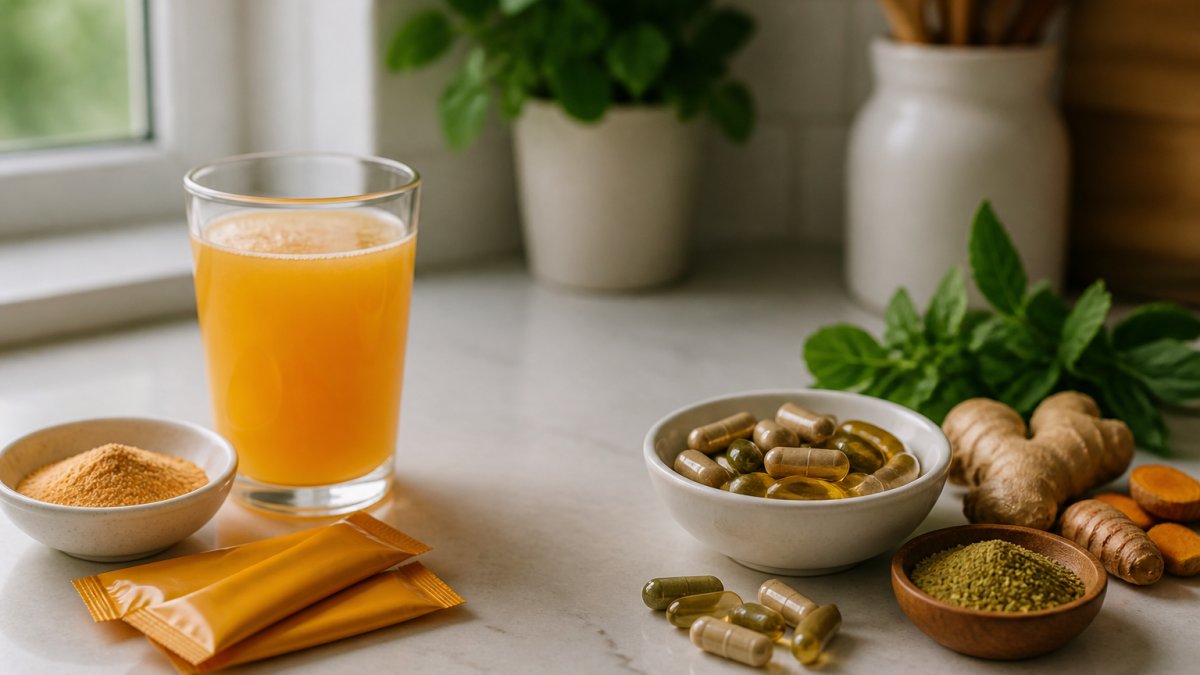
Emergen-C is a popular dietary supplement drink mix designed to support immune function. It comes in individual packets that dissolve in water, delivering a combination of vitamins, minerals, and herbal ingredients. The product contains high doses of vitamin C, typically 1,000 mg per serving, along with B vitamins, zinc, and various plant-based compounds.
Understanding what's actually in Emergen-C matters when you're doing an Emergen-C vs natural supplements comparison. The formulation includes ascorbic acid as its primary vitamin C source, B-complex vitamins for energy support, and minerals like magnesium and potassium. Many packets also contain herbal ingredients such as echinacea, ginger, and elderberry, which are marketed for immune support.
The key distinction for many consumers is that Emergen-C contains synthetic nutrients alongside plant-derived ingredients. This hybrid approach appeals to people seeking convenience and comprehensive nutrient coverage in a single product. However, this mix of synthetic and natural components is precisely what separates it from brands positioning themselves as purely natural alternatives.
When evaluating Emergen-C versus natural supplements, it's worth noting the sweetener profile. Most varieties use sugar or sugar alcohols like sorbitol and xylitol. Some formulations include artificial sweeteners. This detail matters if you're watching added sugar intake or prefer products with minimal processing.
Emergen-C Alternatives: Natural Supplement Options
Several brands position themselves as natural alternatives to Emergen-C, each with different ingredient philosophies and price points. These products typically emphasize whole-food sourcing, minimal processing, and avoidance of synthetic nutrients.
Natural supplement brands in this category often feature ingredients like acerola cherry (a whole-food vitamin C source), adaptogenic herbs, and mineral-rich botanicals. They skip artificial sweeteners and rely on stevia, monk fruit, or sugar in smaller quantities. The formulations tend to be simpler, fewer ingredients overall, but each chosen for specific functional support.
One consistent pattern among natural alternatives is higher cost per serving compared to Emergen-C. This reflects sourcing practices, manufacturing standards, and the complexity of extracting nutrients from whole foods rather than synthesizing them in a lab. Brands emphasizing organic certification, third-party testing, and sustainable sourcing command premium pricing.
The real difference shows up in how your body processes these nutrients. Synthetic ascorbic acid and whole-food vitamin C sources behave differently during absorption and use. Your digestive system recognizes whole-food nutrients as familiar compounds, potentially improving how efficiently you absorb and use them. Synthetic vitamins are chemically identical but processed through different metabolic pathways.
When shopping for natural alternatives, look for brands that clearly disclose their sourcing and manufacturing practices. Transparency about ingredient origins separates genuine natural products from those simply marketed that way. At Flu-Jack, we believe you deserve to know exactly what you're putting in your body.
Emergen-C vs. Vitamin C: Understanding the Difference
The comparison between Emergen-C and vitamin C alone reveals an important distinction: Emergen-C is a comprehensive supplement formula, not a standalone vitamin C product. While vitamin C is its headline ingredient, the formula includes numerous other compounds that work synergistically.
Vitamin C, also called ascorbic acid, is a water-soluble nutrient that supports immune function, collagen production, and antioxidant defense. Your body cannot manufacture or store it, so consistent dietary intake matters.
Emergen-C delivers 1,000 mg of vitamin C per packet, which far exceeds the recommended daily intake of 75-90 mg for most adults. This megadose approach assumes that excess vitamin C will support immune function, though evidence for this claim remains mixed.
Natural supplement brands often include vitamin C from acerola cherry, kakadu plum, or rose hips, sources that contain the vitamin alongside other phytonutrients. These whole-food sources provide vitamin C in a complex matrix with bioflavonoids and other compounds. Whether this matrix improves absorption compared to isolated ascorbic acid is an active area of research.
The practical difference: if your goal is achieving adequate vitamin C intake, a modest dose from food or a simple supplement works. If you're seeking immune support beyond basic nutrition, the additional ingredients in products like Emergen-C or natural multi-ingredient formulas may matter more than the vitamin C dose alone.
Vitamin C Supplement Effectiveness: What the Evidence Shows
The question of whether vitamin C supplements prevent or reduce cold duration has been studied extensively. The evidence suggests a nuanced picture rather than a clear yes or no.
Regular vitamin C supplementation does not meaningfully reduce cold incidence in the general population. People taking daily vitamin C supplements catch colds at similar rates to those who don't. This is consistent across multiple research contexts and populations.
However, the evidence shifts for specific groups. People exposed to extreme physical stress, marathon runners, soldiers in arctic conditions, skiers, show modest reductions in cold duration when taking high-dose vitamin C. For these populations, supplementation appears to reduce how long a cold lasts, though not whether they catch one.
Timing matters significantly. Taking vitamin C after cold symptoms appear does not shorten duration or reduce severity in most people. Starting supplementation before exposure to cold viruses, or maintaining consistent intake during high-stress periods, shows the most promise.
The research on specific supplement formulations is limited. Most studies examine isolated vitamin C or basic multi-vitamin combinations, not complex formulas like Emergen-C or branded natural alternatives. This means you're making a choice based on ingredient philosophy and brand trust rather than direct clinical comparison.
One consistent finding: megadose vitamin C supplementation carries minimal risk for most people, though some individuals experience digestive discomfort. The main downside is cost relative to benefit for average healthy adults.
How to Choose a Vitamin C Supplement That Fits Your Needs
Selecting the right vitamin C supplement requires clarifying what you actually want to achieve. Are you addressing a deficiency, seeking general immune support, or trying to prevent specific illness? Your answer determines which product makes sense.
Start by assessing your current vitamin C intake from food. Citrus fruits, berries, peppers, and leafy greens provide substantial vitamin C. If you eat a varied diet with regular produce, you're likely meeting your baseline needs.
Consider your supplement format preference. Emergen-C offers convenience, dissolve and drink, but requires accepting its sweetener profile and synthetic nutrient sources. Tablets and capsules provide more control over ingredients but require consistent daily adherence.
Evaluate ingredient sourcing and manufacturing transparency. Reputable brands disclose whether their vitamin C comes from ascorbic acid, acerola cherry, or other sources. They provide information about third-party testing, manufacturing standards, and quality control. This transparency matters because supplement regulation is less stringent than pharmaceutical oversight.
Budget considerations matter too. Basic vitamin C supplements cost significantly less than comprehensive formulas like Emergen-C or premium natural brands. If cost is your primary concern and you simply want adequate vitamin C intake, a simple supplement works.
Consider your health status and any medications. Certain conditions and drugs interact with high-dose vitamin C. People with kidney disease, iron-overload disorders, or those taking specific medications should consult a healthcare provider before high-dose supplementation.
Key Ingredients to Look for in Natural Immune Support
When evaluating natural immune support supplements, several ingredients appear consistently across reputable formulas. Understanding what these do helps you assess whether a product aligns with your health goals.
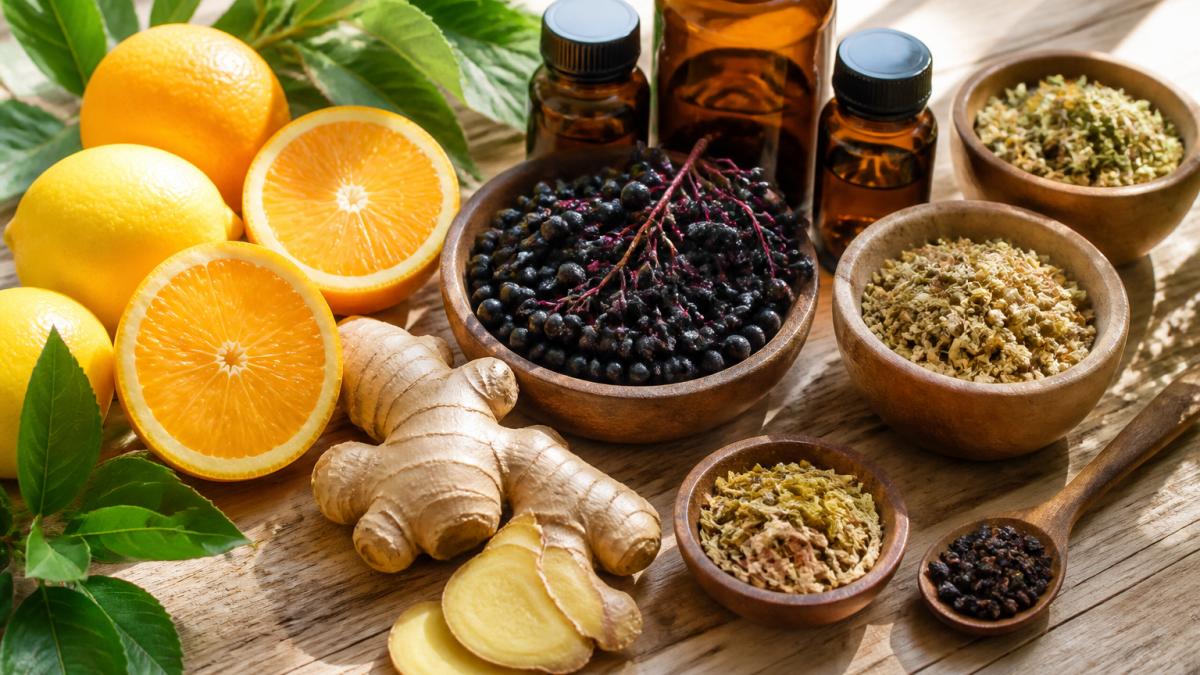
Vitamin C from whole-food sources like acerola cherry and kakadu plum provides the nutrient alongside bioflavonoids and other plant compounds. These sources avoid synthetic processing while delivering recognized immune-supporting compounds.
Zinc supports immune cell function and appears in many natural formulas. The evidence shows zinc can reduce cold duration if taken early in illness, though like vitamin C, it doesn't prevent colds.
Elderberry, echinacea, and ginger are traditional herbs with some research support for immune function. Elderberry shows promise in reducing cold duration when taken consistently. Echinacea evidence is mixed, some studies show benefit, others don't.
Probiotics and prebiotic fiber support gut health, which connects to immune function. A healthy gut microbiome influences how your immune system responds to threats. Natural supplement brands increasingly include these ingredients, recognizing the gut-immune connection.
Antioxidants from sources like astaxanthin, quercetin, and polyphenols help reduce inflammation and oxidative stress. These compounds appear in plant-based supplements and support overall immune resilience rather than preventing specific illness.
When reviewing ingredient lists, look for specific amounts rather than vague "proprietary blends." Transparent dosing helps you understand whether you're getting meaningful quantities or token amounts. Brands that disclose their sourcing, organic certification, third-party testing, sustainable harvesting, demonstrate commitment to quality.
Safety, Interactions, and Who Should Avoid These Supplements
Both Emergen-C and natural immune supplements carry safety considerations worth understanding before regular use.
High-dose vitamin C supplementation can cause kidney stones in susceptible individuals, particularly those with kidney disease or a personal history of stones.
Certain medications interact with vitamin C and other supplement ingredients. Warfarin (a blood thinner) can be affected by high-dose vitamin C. Chemotherapy drugs may interact with antioxidant supplements.
People with hemochromatosis (iron overload) should avoid high-dose vitamin C, which enhances iron absorption.
Herbal ingredients in natural formulas carry their own interaction risks. Echinacea may affect immune-suppressant medications. Ginger has mild blood-thinning properties. Elderberry could interact with immunosuppressant drugs.
Pregnant and nursing individuals should consult healthcare providers before taking supplements beyond basic prenatal vitamins. The safety profile of megadose nutrients during pregnancy differs from general population safety.
For older adults, the considerations shift slightly. Vitamin C supports collagen and circulation, both relevant for aging-related concerns. However, kidney function declines with age, making high-dose supplementation riskier.
Children have different nutrient needs than adults. Products designed for adult supplementation may provide excessive doses for young bodies. If considering supplements for children, pediatric formulations specifically are appropriate.
The safest approach: start with food sources, add supplements only when diet falls short, and consult healthcare providers if you have any health conditions or take medications.
| Supplement Type | Best For | Primary Benefit | Cost Consideration |
|---|---|---|---|
| Emergen-C | Convenience seekers, quick nutrient delivery | Comprehensive multi-nutrient formula | Lower per-packet cost |
| Natural whole-food sources | Health-conscious consumers preferring minimal processing | Nutrient absorption with plant compounds | Higher per-serving cost |
| Basic vitamin C supplement | Budget-conscious individuals | Simple, targeted vitamin C intake | Lowest cost option |
| Herbal immune blends | Those seeking traditional immune support | Specific herb benefits like ginger or elderberry | Moderate to high cost |
When making an Emergen-C vs natural supplements choice, your decision ultimately depends on your priorities: convenience versus ingredient sourcing, cost versus processing philosophy, and whether you want a comprehensive formula or targeted nutrients. At Flu-Jack, we believe informed decisions start with understanding exactly what you're consuming and why. Our all-natural formulas support immune function and healthy circulation using carefully selected ingredients.
Frequently Asked Questions
Is there a healthier alternative to Emergen-C?
Yes. Natural supplement brands offer alternatives that focus on whole-food sourced vitamin C, herbal immune support, and minimal added sugars. Look for products with transparent ingredient sourcing, third-party testing, and no artificial sweeteners. Alternatives range from simple vitamin C powders to comprehensive immune blends with zinc, elderberry, and echinacea. The healthier choice depends on your specific health goals and ingredient preferences.
Do vitamin C supplements actually help prevent or shorten colds?
Evidence is mixed. Regular vitamin C supplementation shows modest benefit for people exposed to extreme physical stress (athletes, military personnel), reducing cold duration by about a day. For the general population, daily supplementation does not significantly prevent colds. However, high-dose vitamin C taken at the first sign of illness may slightly reduce symptom severity. Effectiveness varies by individual, dosage, and form.
What's the difference between Emergen-C and a simple vitamin C supplement?
Emergen-C is a multi-nutrient drink mix containing vitamin C, B vitamins, minerals, and herbal ingredients. A simple vitamin C supplement provides only ascorbic acid or a vitamin C complex. Emergen-C offers broader nutritional support but includes added sugars and artificial ingredients. Natural vitamin C supplements may provide better bioavailability and fewer additives, though they lack the B-complex and mineral support Emergen-C provides.
How do I know if a natural supplement brand is trustworthy?
Check for third-party testing by organizations like NSF International or USP, which verify ingredient content and purity. Review the ingredient list for recognizable whole-food sources and avoid long lists of fillers or artificial additives. Look for transparency about sourcing and manufacturing practices. Read customer reviews on independent sites, not just the brand's website. Reputable brands clearly state what's in the product and provide science-backed claims, not exaggerated promises.