 how-to
Boost Immune System After 50: Evidence-Based Steps
Last Updated: October 23, 2026
Quick Summary
To boost immune system after 50, focus on four pillars: eating nutrient-rich foods with vitamin C, D, zinc, and selenium; getting 7-9 hours of sleep nightly; managing stress through daily walks and deep breathing; and exercising 150 minutes weekly with strength training twice per week.
- Your gut microbiome controls roughly 70% of immune function, making diet foundational for immune support after 50.
- Vitamin D, zinc, and probiotics from fermented foods have the most evidence; most other supplements show weak results for healthy adults.
- Sleep deprivation and chronic stress suppress immunity by elevating cortisol; consistency matters more than intensity.
- Annual flu shots, pneumococcal, shingles, RSV, and COVID-19 vaccines are recommended for adults over 50.
- Starting one lifestyle change at a time and maintaining consistency over months produces better results than overhauling everything simultaneously.
Table of Contents
- Why Immune Function Changes After 50
- Immune-Boosting Foods for Adults Over 50
- Natural Ways to Support the Immune System Beyond Diet
- Immune System Supplements for Adults: What Works and What Doesn't
- Vaccines for Adults Over 50: Your Personalized Schedule
- Building Your Personalized Immune Support Routine
- Frequently Asked Questions
Why Immune Function Changes After 50
Your immune system doesn't work the same way at 50 as it did at 25. This shift, called immunosenescence, is a natural part of aging.
As we age, the immune system produces fewer infection-fighting cells and takes longer to mount a defense, so older adults get sicker more often and recover more slowly (Aging of the Immune System. Mechanisms and Therapeutic Targets).
But this isn't inevitable decline. Many people maintain strong immune function well into their 80s and beyond.
Here's what changes in your immune system after 50:
- Your thymus gland shrinks, producing fewer T cells that fight infection
- Your bone marrow becomes less efficient at creating new immune cells
- Your body's inflammatory response becomes less controlled, sometimes overreacting
- Vaccine effectiveness decreases, requiring different strategies than younger adults
- Your gut health directly impacts immune function, and this connection strengthens with age
The takeaway: aging affects immunity, but targeted action works. Let's walk through exactly how to boost immune system after 50 with practical, evidence-based steps.
Immune-Boosting Foods for Adults Over 50
What you eat directly shapes your immune response. Your gut microbiome, the trillions of bacteria in your digestive system, controls roughly 70% of your immune function. Feed it well and your immune system responds; neglect it and you're working against yourself.
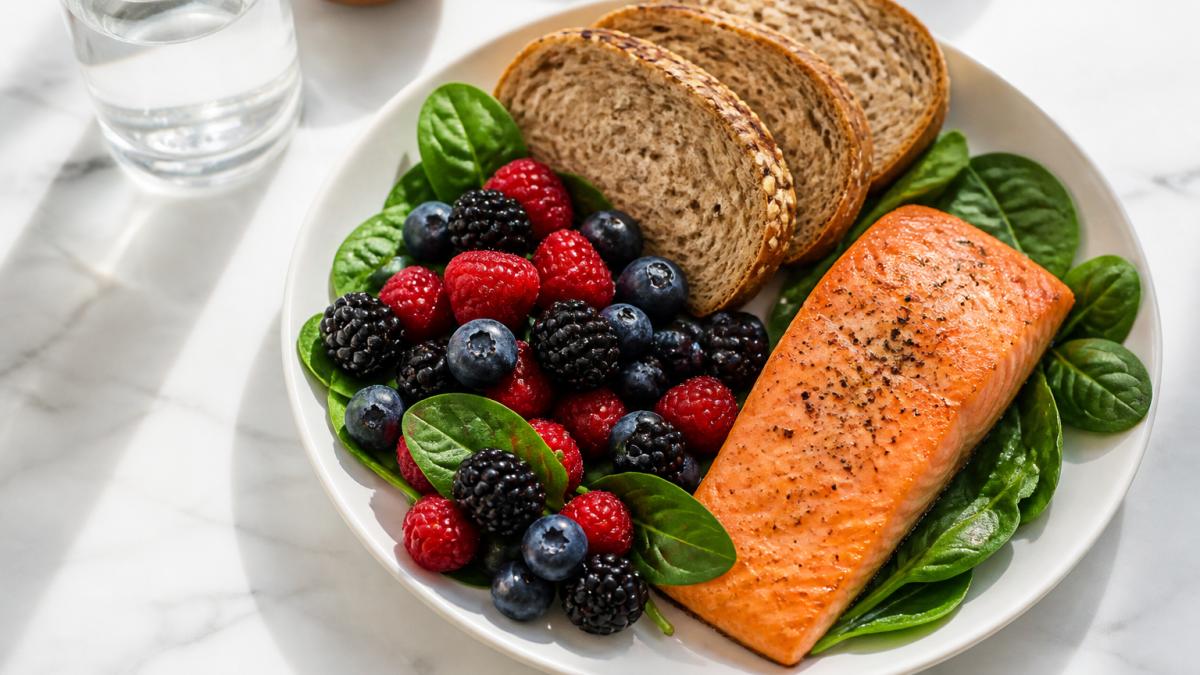
Nutrient priorities: vitamin C, vitamin D, zinc, and selenium
Four nutrients matter most for immune function after 50:
Vitamin C supports white blood cells that fight infection. Your body can't store it, so you need it daily. Citrus fruits, berries, bell peppers, and broccoli are your best sources.
Vitamin D regulates immune response and reduces excessive inflammation. Most adults over 50 don't get enough.
Zinc helps your body create and activate immune cells. Red meat, shellfish, legumes, and seeds deliver it. A deficiency can slow your immune response by weeks.
Selenium protects immune cells from damage. Brazil nuts contain more selenium than almost any other food, just one or two per day covers your needs.
Practical food choices for daily meals
Building an immune-supporting diet doesn't require special ingredients or expensive supplements. Focus on whole foods you can find anywhere.
Lunch and dinner should include fatty fish at least twice a week.
Snack on almonds, walnuts, and Brazil nuts.
Include garlic and ginger in your cooking. Both contain compounds that support immune response.
Drink green tea instead of coffee when possible. It contains polyphenols that support immune cells; aim for 2-3 cups daily.
Here's what a day of immune-supporting eating looks like:
- Breakfast: Greek yogurt with berries and almonds
- Snack: Apple with almond butter
- Lunch: Grilled salmon with spinach and sweet potato
- Snack: Handful of walnuts and Brazil nuts
- Dinner: Turkey meatballs with garlic and whole grain pasta, side salad with olive oil dressing
Natural Ways to Support the Immune System Beyond Diet
Food is foundational, but three other factors matter just as much: sleep, stress management, and movement. Together, these four pillars determine how well your immune system works.
Sleep and stress management
Sleep is when your immune system rebuilds itself. During deep sleep, your body produces cytokines, proteins that coordinate immune response and reduce inflammation.
Most adults over 50 need 7-9 hours per night. This isn't negotiable. One night of poor sleep weakens your immune response. Chronic sleep deprivation keeps it suppressed.
Practical steps for better sleep:
- Keep your bedroom cool (around 65-68 degrees Fahrenheit) (the CDC)
- Go to bed at the same time every night, even on weekends
- Avoid screens 30 minutes before bed, the blue light disrupts melatonin production
- Stop caffeine by 2 PM
- Limit alcohol, which disrupts sleep quality
Stress is the other major immune suppressor. When you're stressed, cortisol floods your body and tells your immune system to stand down.
Stress management doesn't require meditation retreats or therapy (though both help). Practical natural steps to boost your immune system include these evidence-based approaches beyond diet and supplementation. Simple practices work:
- Walk outside for 20 minutes daily. Movement plus fresh air plus nature exposure all reduce stress simultaneously.
- Practice deep breathing: breathe in for 4 counts, hold for 4, exhale for 4. Do this for 5 minutes when you feel stress rising.
- Spend time with people you care about. Social connection is one of the strongest immune boosters available.
- Do something you enjoy for 30 minutes daily. This can be reading, gardening, cooking, or any hobby that absorbs your attention.
Regular physical activity and hydration
Exercise is medicine for your immune system.
You don't need intense workouts. Moderate activity works better than extreme exercise, which can temporarily suppress immunity.
Aim for:
- 150 minutes of moderate aerobic activity per week (brisk walking, swimming, cycling)
- 2 days of strength training per week
- Daily movement: take the stairs, park farther away, stand while working
Hydration is simple but often overlooked. Your lymphatic system, which carries immune cells, relies on adequate fluid. Dehydration slows immune response.
Drink half your body weight in ounces of water daily. A 150-pound person needs 75 ounces (about 9 cups).
These four pillars work together to strengthen immune function in adults over 50.
| Pillar | Recommendation | Details |
|---|---|---|
| Sleep | 7-9 hours per night | Keep bedroom at 65-68°F, consistent bedtime |
| Stress management | 20-minute daily walk or 5 minutes deep breathing | Reduces cortisol and strengthens immunity |
| Aerobic activity | 150 minutes per week at moderate intensity | Brisk walking, swimming, or cycling |
| Strength training | 2 days per week | Supports circulation and immune cell flow |
| Hydration | Half your body weight in ounces daily | Plain water is best; 150-pound person needs 75 ounces |
Immune System Supplements for Adults: What Works and What Doesn't
This is where reality diverges from marketing. Many supplements promise to "boost" immunity. Most don't work the way they're advertised.
Evidence quality and realistic expectations
First, understand what "boosting immunity" actually means.
The honest truth: most supplements don't produce measurable changes in immune function for healthy adults. Understanding why immune supplements fail and what actually works helps you make informed choices.
Supplements with the most evidence behind them: natural immune support options include those listed below.
Vitamin D, If you're deficient (and many adults over 50 are), supplementing helps.
Zinc, Short-term supplementation might reduce cold duration by a day or two if taken early.
Probiotics, Evidence is mixed.
Elderberry and echinacea, These have traditional use, but clinical evidence is weak.
Multivitamins, If you eat a reasonably varied diet, a multivitamin provides minimal benefit.
Safety considerations and medication interactions
Supplements aren't regulated like drugs. Quality varies widely. Contamination, mislabeling, and false claims are common.
Before taking any supplement:
- Talk to your doctor, especially if you take medications
- Check for interactions (many supplements thin blood, affect blood pressure, or interfere with medications)
- Look for third-party testing labels (NSF, USP, ConsumerLab)
- Start with one supplement at a time so you can identify any reactions
- Buy from reputable sources
For safe supplements specifically formulated for older adults, consult resources designed with age-related safety considerations in mind.
Common interactions:
- Supplements that thin blood (ginger, garlic, ginkgo) can interact with blood thinners
- High-dose vitamin E interferes with some blood thinners
- Probiotics might cause problems if you're immunocompromised
- St. John's Wort reduces effectiveness of many medications
At Flu-Jack, we formulate supplements with ingredient transparency and third-party testing. But regardless of brand, the principle is the same: supplements work best when your foundation is solid, good food, sleep, movement, and stress management.
Vaccines for Adults Over 50: Your Personalized Schedule
Vaccination is the single most effective way to prevent serious illness after 50. Your immune system responds better to vaccines than to natural infection, with less risk.
Most adults over 50 need these vaccines:
- Flu shot, Every year, ideally in September or October
- Pneumococcal vaccine, Protection against bacterial pneumonia; talk to your doctor about timing and type
- RSV vaccine, New vaccine for respiratory syncytial virus; recommended for adults 60 and older
- Tdap, Tetanus, diphtheria, pertussis; one dose as an adult, then Td booster every 10 years
- Shingles vaccine, Two doses, 2-6 months apart; recommended for adults 50 and older
- COVID-19, Updated annually, similar to flu shot
Your specific schedule depends on your health history, previous vaccinations, and risk factors. Some people need additional vaccines.
Vaccination is especially important if you have chronic conditions, take medications that affect immunity, or spend time around grandchildren or other vulnerable people.
Building Your Personalized Immune Support Routine
Taking everything above and actually implementing it requires a plan. Building a comprehensive wellness routine that incorporates immune support helps you stay consistent with all four pillars. Generic advice fails. Specific routines work.
Common mistakes to avoid
Start with one change. Master it over 2-3 weeks. Then add another. This approach actually works.
Mistake 2: Treating supplements as the foundation. Many people buy expensive supplements while eating poorly and sleeping badly.
Mistake 3: Inconsistency. Immune support requires consistency.
Mistake 4: Ignoring medication interactions. Some people add supplements without telling their doctor.
Mistake 5: Expecting immediate results. It takes weeks to months to see changes in how often you get sick.
When to seek medical care
Most immune support is preventive. But some situations need professional attention.
Seek medical care if you:
- Get more than 4-5 colds per year (suggests possible immune deficiency)
- Experience prolonged fever (over 103°F for more than 3 days)
- Have difficulty recovering from routine infections
- Develop new symptoms that don't fit a common cold or flu pattern
- Take medications that affect immunity and want guidance on supplementation
- Have chronic conditions (diabetes, heart disease, autoimmune disease) and want an immune support plan tailored to your situation
Your doctor can test for deficiencies, check medication interactions, review your vaccination status, and refer you to a specialist if needed.
Supporting your immune system after 50 isn't complicated.
Flu-Jack's all-natural supplements are designed to complement this foundation, not replace it.
Get started with a plan that works for your life. Small, consistent changes compound into real results. Your immune system will thank you.
Frequently Asked Questions
How can I boost my immune system after 50?
Focus on three pillars: nutrition (fruits, vegetables, lean proteins rich in vitamin C, D, zinc, and selenium), consistent sleep (7-9 hours nightly), and regular physical activity (150 minutes per week). Add stress management through meditation or time outdoors. Stay hydrated and ask your doctor about vaccines tailored to your age and health status. Supplements can fill specific gaps, but whole foods and lifestyle habits form the foundation.
Can supplements improve immune health after 50?
Supplements can help fill nutritional gaps, but they are not replacements for diet, sleep, exercise, and vaccination. Vitamin D, zinc, and selenium show the most evidence for immune support in older adults. However, more is not better, excessive intake of some nutrients can be harmful. Always check with your doctor before starting supplements, especially if you take medications, as interactions are common after 50.
Which vaccines should adults over 50 ask their doctor about?
The CDC recommends RSV, flu, COVID-19, pneumococcal, shingles (Shingrix), and Tdap boosters for most adults 50+. Your specific needs depend on your health conditions, prior vaccinations, and risk factors. Those 60+ should prioritize RSV and shingles vaccines. Schedule a conversation with your doctor to review your vaccination record and determine which vaccines are right for you this year.