 blog
9 Foods to Avoid for Better Vascular Health
Last Updated: October 28, 2026
Quick Summary
Processed meats, red meat, trans fats, fried and fast foods, full-fat dairy, and high-sodium packaged foods are the main foods to limit for vascular health. They raise cholesterol, build artery plaque, and push blood pressure higher. Replacing them with leafy greens, fish, nuts, and whole grains works better than simply cutting items out.
- Bacon, sausage, and deli meats pack high saturated fat and sodium into small servings.
- Look for partially hydrogenated oil on labels, since it signals trans fats.
- Federal guidance advises most adults to keep sodium under 2,300 mg per day.
- Roughly 70% of the sodium Americans eat comes from packaged and restaurant food.
- Eat fatty fish like salmon twice a week as a healthier protein choice.
Table of Contents
- Why Your Diet Shapes Your Blood Vessels
- Processed Meats and Red Meat: The Biggest Saturated Fat Sources
- Trans Fats in Fried, Fast, and Packaged Foods
- Foods That Cause Plaque Buildup in Arteries
- How to Reduce Sodium in Your Diet
- Foods to Avoid for Peripheral Artery Disease
- Foods That Improve Blood Circulation and What to Eat Instead
- Building a Balanced Plan and When to Talk to Your Doctor
- Frequently Asked Questions
Why Your Diet Shapes Your Blood Vessels
Your blood vessels respond to what you eat, every day. Arteries and veins need flexible walls and clear passageways to keep blood moving well, which is the core of good vascular health. When certain foods push cholesterol and blood pressure in the wrong direction, that flow can suffer over time.
This guide walks through the foods most often linked to vascular trouble. It also explains what to eat instead, and why a balanced pattern matters more than cutting out single items. American Heart Association dietary guidance on heart and blood vessel health
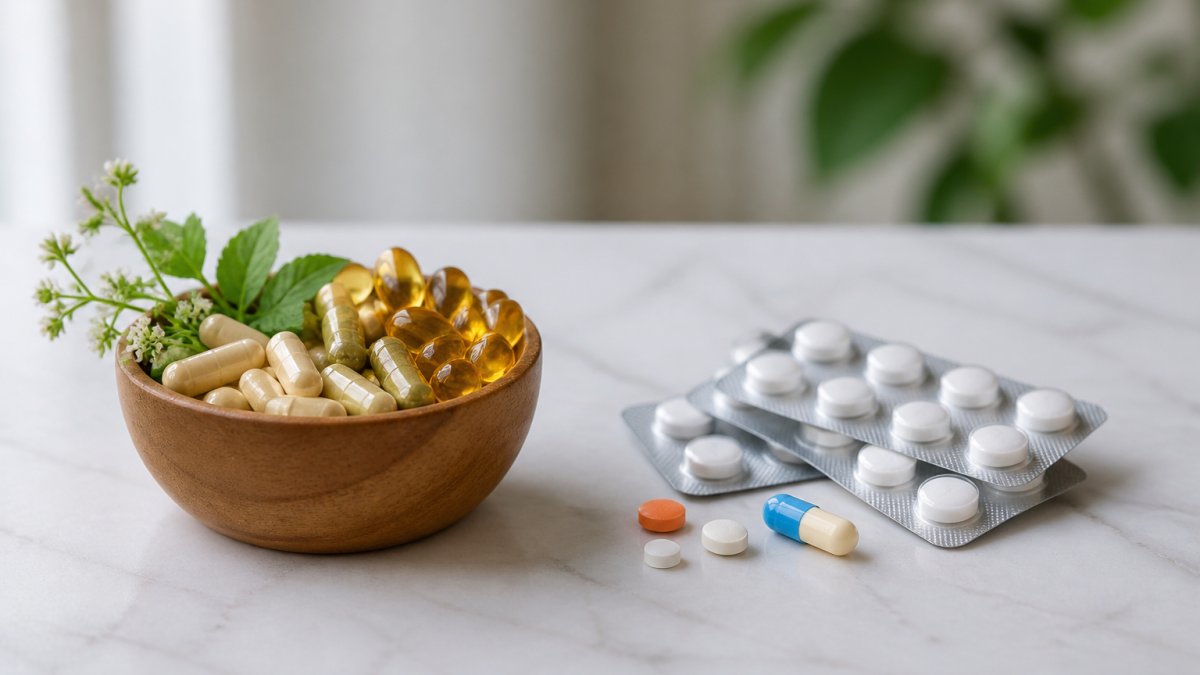
Flu-Jack offers supplements formulated to support healthy circulation. Treat this list as a starting point, not a substitute for medical advice.
Processed Meats and Red Meat: The Biggest Saturated Fat Sources
Processed meats are among the most common sources of saturated fat in the American diet. Bacon, sausage, ham, and salami often pack high levels of saturated fat and sodium into a small serving.
Red meat such as beef and pork also carries saturated fat. Lean cuts contain less, so the cut you choose matters.
Watch for these common culprits:
- Bacon and sausage at breakfast
- Deli meats like salami and bologna
- Hot dogs and cured sandwich meats
- Fatty cuts of beef and pork
Swap in fish, skinless poultry, beans, or lentils a few times a week. Your arteries will thank you.
Here is a quick reference for the common high-saturated-fat sources and what to swap them for.
| Food | Why it matters | Swap in |
|---|---|---|
| Bacon and sausage | High saturated fat and sodium | Fish or skinless poultry |
| Deli meats like salami | Packs fat and sodium in small servings | Beans or lentils |
| Hot dogs and cured meats | Cured sandwich meats are high in sodium | Fish a few times a week |
| Fatty cuts of beef and pork | Higher saturated fat than lean cuts | Lean cuts of meat |
Trans Fats in Fried, Fast, and Packaged Foods
Trans fats raise LDL cholesterol and lower HDL cholesterol, which is a double hit for vascular health. Most trans fats today come from partially hydrogenated oils used in fried and baked goods.
Check labels on crackers, cookies, microwave popcorn, and frozen snacks. Look for "partially hydrogenated oil" in the ingredient list.
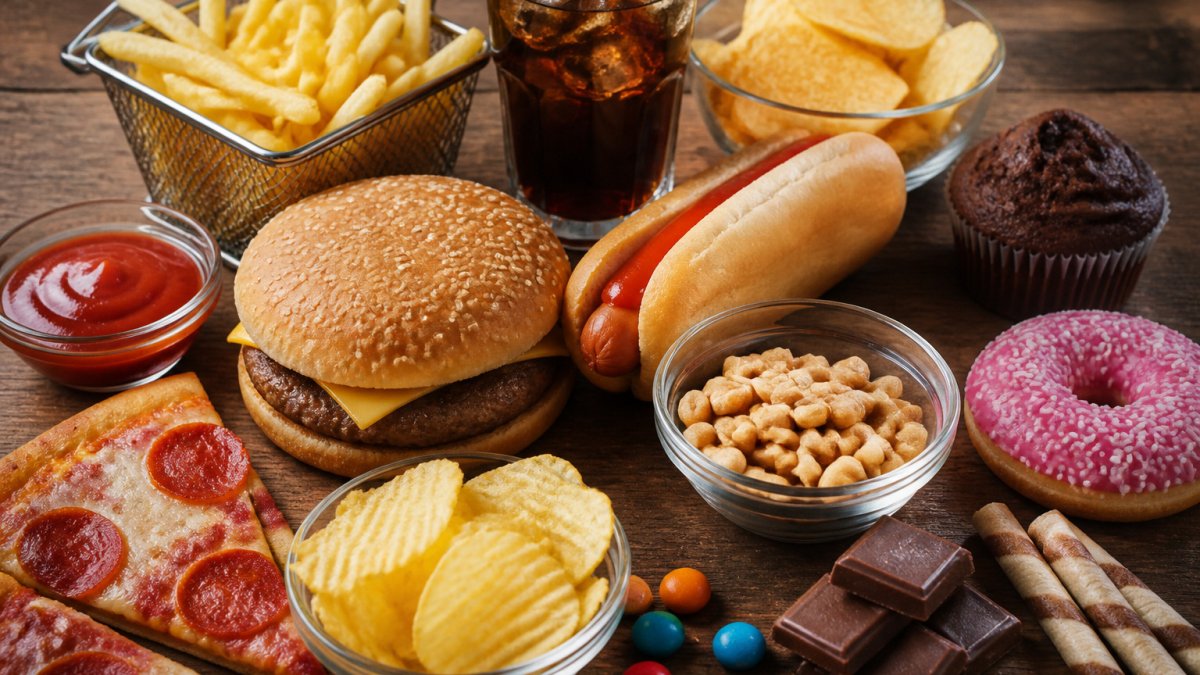
Fast food fries and fried chicken are another common source. Choosing baked or grilled options cuts this exposure fast.
Foods That Cause Plaque Buildup in Arteries
Plaque builds up when cholesterol and other substances collect inside artery walls (Atherosclerosis - Causes and Risk Factors). This process, called atherosclerosis, narrows the path for blood. National Heart, Lung, and Blood Institute overview of atherosclerosis
Foods that feed this process include:
- Fried foods and fast food meals
- Full-fat dairy eaten in large amounts
- Pastries, cakes, and other baked sweets
- Butter and lard used for regular cooking
Small changes add up. Use olive oil or canola oil for cooking, and save butter for occasional use.
How to Reduce Sodium in Your Diet
Too much sodium pulls extra fluid into your bloodstream, raising blood pressure and putting steady strain on vessel walls. Federal dietary guidance advises most adults to keep sodium under 2,300 mg per day, and the American Heart Association suggests an ideal limit closer to 1,500 mg per day for people with high blood pressure. For context, one teaspoon of table salt contains about 2,300 mg of sodium.

The surprise for most people is where that sodium comes from. Roughly 70% of the sodium Americans eat is already in packaged and restaurant food before it reaches the salt shaker. Bread, tortillas, deli meat, pizza, canned soup, and cheese are among the top contributors in national surveys, not just the obvious salty snacks.
Read the label in three steps:
- Check the serving size first. A bag of chips may list 150 mg per serving but contain three servings.
- Compare the sodium number across brands of the same product. A "low sodium" version must contain 140 mg or less per serving, and "no salt added" means none was added during processing (though the food may still contain naturally occurring sodium).
- Scan the ingredient list for sodium in disguise: monosodium glutamate (MSG), sodium bicarbonate (baking soda), sodium nitrate and nitrite, disodium phosphate, and sodium benzoate.
Practical swaps that cut sodium without flattening flavor:
- Rinse canned beans and vegetables in a colander for about 30 seconds; this can wash away a meaningful share of the added sodium.
- Choose low-sodium broth and canned soups, or dilute regular broth half-and-half with water.
- Use half the soy sauce a recipe calls for and finish with rice vinegar or lime juice.
- Season with garlic, onion, smoked paprika, cumin, black pepper, lemon zest, and fresh herbs instead of salt.
- At restaurants, ask for sauces and dressings on the side and skip the bread basket if it comes with salted butter.
If you take a diuretic or another blood pressure medication, ask your clinician before making large sodium changes, since your dose may need review as your blood pressure shifts.
Foods to Avoid for Peripheral Artery Disease
Peripheral artery disease (PAD) narrows the arteries that supply the legs and feet, usually through the same atherosclerosis process that affects the heart. That shared mechanism is why the food advice overlaps with general heart guidance, but PAD adds its own priorities: protecting small vessels in the feet, supporting wound healing, and managing the diabetes and high blood pressure that commonly travel with it.
Foods and patterns to limit when you have PAD:
- Processed and red meats. Their saturated fat and sodium load works against both cholesterol and blood pressure.
- Sugary drinks and refined sweets. High added sugar intake worsens blood glucose control, and diabetes is one of the strongest risk factors for PAD progression.
- Refined carbohydrates such as white bread, white rice, and regular pasta, which spike blood sugar and crowd out fiber-rich foods.
- Salty snacks, fast food, and canned soups, which push blood pressure higher.
- Heavy alcohol use, which can raise blood pressure and triglycerides.
What makes PAD advice different from general heart advice:
- Blood sugar matters as much as cholesterol. If you have diabetes, keeping A1C in your target range is central to slowing PAD. That means watching portion sizes of carbohydrates, not just avoiding fried food.
- Foot health is a dietary issue too. Poor circulation slows healing, so adequate protein and overall nutrition support recovery from even minor foot wounds. Severe calorie restriction or fad diets can work against you.
- Medication interactions deserve a conversation. If you take warfarin, large swings in vitamin K from leafy greens can affect your INR, so consistency matters more than avoidance. If you take a statin, dietary fat changes are still worthwhile but do not replace the medication.
- Walking is part of the plan. Structured walking programs are a cornerstone of PAD management, and diet supports that effort rather than replacing it.
A registered dietitian familiar with vascular disease can tailor these recommendations to your medications, blood sugar targets, and kidney function, which is especially important if you have more than one condition.
Foods That Improve Blood Circulation and What to Eat Instead
Replacing the foods above with better options is more useful than just cutting things out. Build meals around:
- Leafy greens like spinach, kale, and Swiss chard
- Berries for fiber and antioxidants
- Walnuts and other unsalted nuts
- Whole grains such as oats, brown rice, and whole wheat bread
- Fatty fish like salmon, twice a week
Supplements can complement these habits, but they work best alongside a healthy diet and regular movement. Ask your doctor which options suit you, especially if you take medication.
Building a Balanced Plan and When to Talk to Your Doctor
A balanced eating pattern beats fixating on "bad foods." Focus on vegetables, fruit, whole grains, lean protein, and healthy fats most days. Allow the foods on this list in small amounts, not every meal.
Talk to your doctor or a registered dietitian if you have high blood pressure, high cholesterol, diabetes, or any vascular condition. Your personal risk and medication needs shape what is safe and useful for you.
Frequently Asked Questions
What foods should I avoid to reduce plaque buildup in my arteries?
Common examples include processed meats such as bacon and sausage, fried fast food, packaged baked goods made with partially hydrogenated oils, and salty snacks like potato chips. A clinician or registered dietitian can tailor advice to your health history.
How much saturated fat should I eat per day?
The American Heart Association recommends keeping saturated fat below about 6 percent of daily calories for most adults, which is roughly 13 grams on a 2,000-calorie diet. Checking the Nutrition Facts label on packaged foods helps you track it. Swapping butter for olive oil, choosing leaner cuts of meat, and choosing low-fat dairy are practical ways to lower your intake without giving up every favorite meal.
Are processed foods bad for vascular health?
Plain frozen vegetables, canned beans with no added salt, and plain yogurt are minimally processed options.
Ready to support your daily circulation routine? Explore Flu-Jack's all-natural supplements designed to help maintain a healthy immune system and support healthy circulation. Shop now to find the option that fits your wellness goals.