 how-to
Boost Immunity Before Flu Season: A 7-Step Guide
Table of Contents
- Why Preparing Your Immune System Early Matters
- Get Your Flu Vaccine at the Right Time
- Eat Foods That Support Immune Health
- Choose the Best Vitamins for Immune Support
- Prioritize Sleep and Immune System Recovery
- Build Exercise and Hydration Into Your Routine
- Strengthen Hand Hygiene and Environmental Practices
- Know When to Seek Care and What to Do if Symptoms Develop
- Frequently Asked Questions
Last Updated: October 18, 2026
Why Preparing Your Immune System Early Matters
Flu season arrives like clockwork each fall. Most people wait until they feel sick to think about their health. Your immune system works best when you prepare it weeks in advance, not days.
Starting your immune support routine now gives your body time to build stronger defenses. Think of it like training for a race, you don't sprint the day before. You build endurance over time.
The flu virus spreads fast once it arrives. People who prepare ahead of time tend to stay healthier throughout the season, while those who wait until symptoms appear often struggle harder.
At Flu-Jack, we believe the best approach is prevention through preparation, helping people strengthen immune health before the season peaks.
Get Your Flu Vaccine at the Right Time
The flu vaccine is the single most effective prevention step available, the one habit that separates proven protection from general immune support. Timing, eligibility, and follow-through all matter.
Why Timing Matters
Flu activity typically rises in the fall and peaks between December and February (the CDC). Getting vaccinated in September or October gives your body roughly two weeks to build protection before cases climb. Vaccinating too early in summer can mean protection wanes before the peak; waiting until cases are widespread leaves you exposed during the riskiest weeks.
If you miss the early window, it is still worth getting vaccinated later in the season. Some protection is better than none, and flu can circulate into spring.
Who Should Get Vaccinated
Annual flu vaccination is recommended for most people 6 months and older, with rare exceptions. It is especially important for groups at higher risk of complications:
- Adults 65 and older
- Young children, especially those under 5
- Pregnant people
- People with chronic conditions such as asthma, diabetes, heart disease, or weakened immune systems
- People who live with or care for those at higher risk
Talk to your doctor about which formulation fits your age and health situation. Different vaccines are licensed for different age groups, and people with severe allergies or a history of Guillain-Barré syndrome need personalized guidance.
What to Expect
Mild side effects such as arm soreness, low fever, or fatigue are common and temporary, a sign your immune system is responding, not that you are sick. Serious reactions are rare.
You cannot get the flu from the flu vaccine. Some people still get sick because the vaccine does not match every circulating strain perfectly or because they were exposed before protection developed.
Where to Get Vaccinated
Flu vaccines are widely available at pharmacies, clinics, and doctor's offices, often without an appointment. Many insurance plans cover the vaccine at no cost, and federal programs help cover it for eligible children and adults. Ask about cost and coverage before you go.
Eat Foods That Support Immune Health
What you eat directly affects how well your immune system functions. Building nutrient-rich foods into your daily meals now sets a strong foundation for fighting infection.
Nutrient-Dense Foods to Add Now
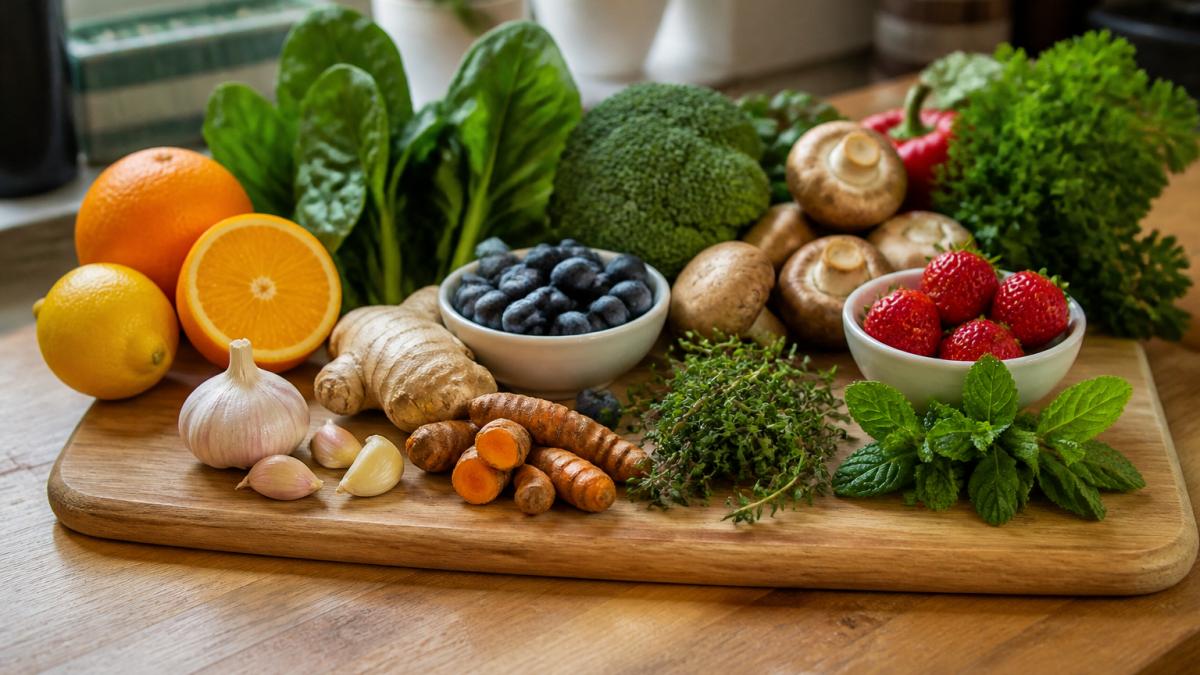
Start adding these foods to your grocery list this week:
Citrus fruits like oranges, lemons, and grapefruit contain vitamin C, which immune cells need to work effectively. Eat one daily or drink fresh juice without added sugar.
Berries including blueberries, strawberries, and raspberries are packed with antioxidants that help protect immune cells from damage.
Garlic and onions contain compounds that support immune function.
Ginger and turmeric are spices with immune-supporting properties. Steep fresh ginger in hot water for tea, and add turmeric to curries, rice dishes, or warm milk.
Mushrooms like shiitake and maitake contain immune-supporting compounds. Cook them in stir-fries or add to soups and stews.
Leafy greens including spinach and kale provide vitamins and minerals. Eat them raw in salads or cooked in side dishes.
Yogurt with live cultures contains probiotics that support gut health, which plays a major role in immune function. Choose plain yogurt and add your own fruit and honey.
Choose the Best Vitamins for Immune Support
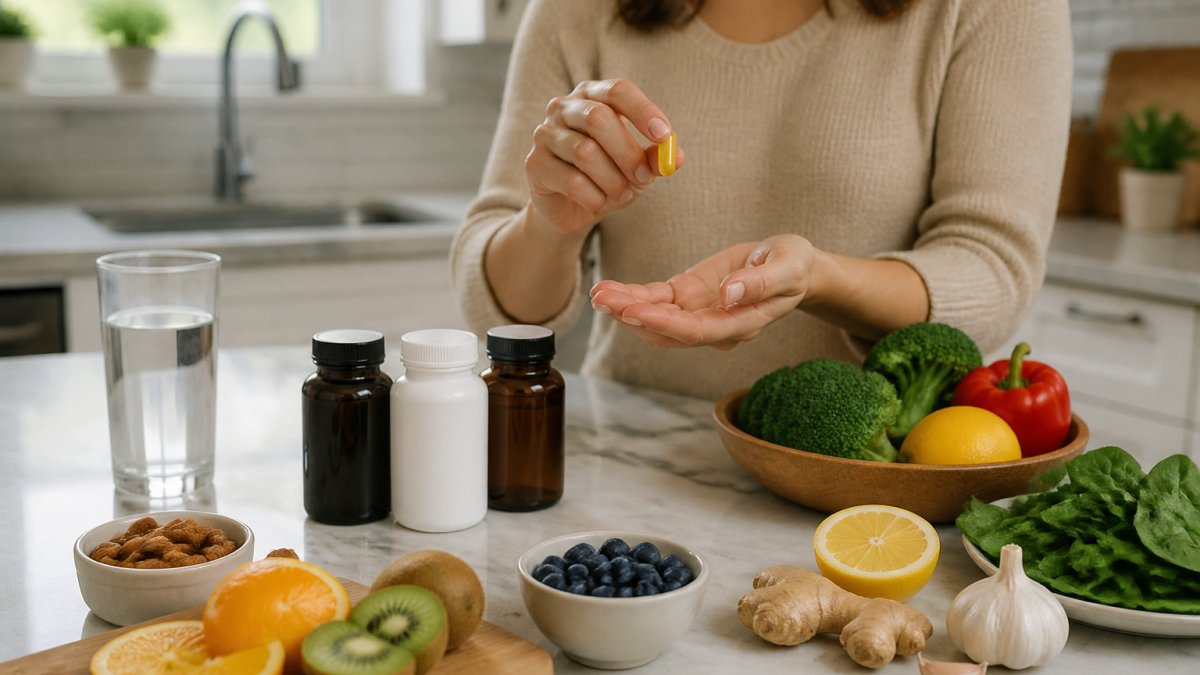
Supplements are where flu-season advice most often outruns the evidence. A supplement can fill a genuine nutrient gap, but no pill guarantees protection from the flu. The honest goal is supporting normal immune function and correcting deficiencies, not buying a shield.
What the Evidence Actually Shows
Here is a realistic read on the supplements people ask about most:
Vitamin C. Routine supplementation has not been shown to prevent colds in the general population. Some evidence suggests it may modestly shorten a cold when taken regularly, but results are mixed. Mega-doses above the tolerable upper intake level can cause digestive upset and are not recommended without medical guidance.
Vitamin D. Low status is common, and some observational research links adequate levels to better respiratory health. However, trials of high-dose vitamin D for flu prevention have not produced consistent protection.
Zinc. Lozenges may shorten cold duration if started within the first day or two of symptoms, but evidence is inconsistent and depends on dose and formulation.
Herbal products. Echinacea, elderberry, and similar products are popular, but study quality varies widely and results don't support claims of flu prevention.
Probiotics and gut health. The gut does play a role in immune function, and fermented foods like yogurt with live cultures are a reasonable part of a balanced diet.
How to Choose a Supplement Sensibly
If you decide to supplement, use these filters:
Look for third-party testing. Independent verification confirms a product contains what the label claims and is free of contaminants, this matters more than marketing language.
Check the ingredient list and dose. Compare the amount per serving against established reference intakes; a tiny dose of an active ingredient is unlikely to do much.
Verify the form and absorption. Capsules, tablets, and liquids differ in absorption. Follow label directions and avoid stacking products with overlapping ingredients.
Consider your specific needs. People with restricted diets, older adults, and those with diagnosed deficiencies may benefit from targeted supplementation. Others may not need anything beyond a balanced diet.
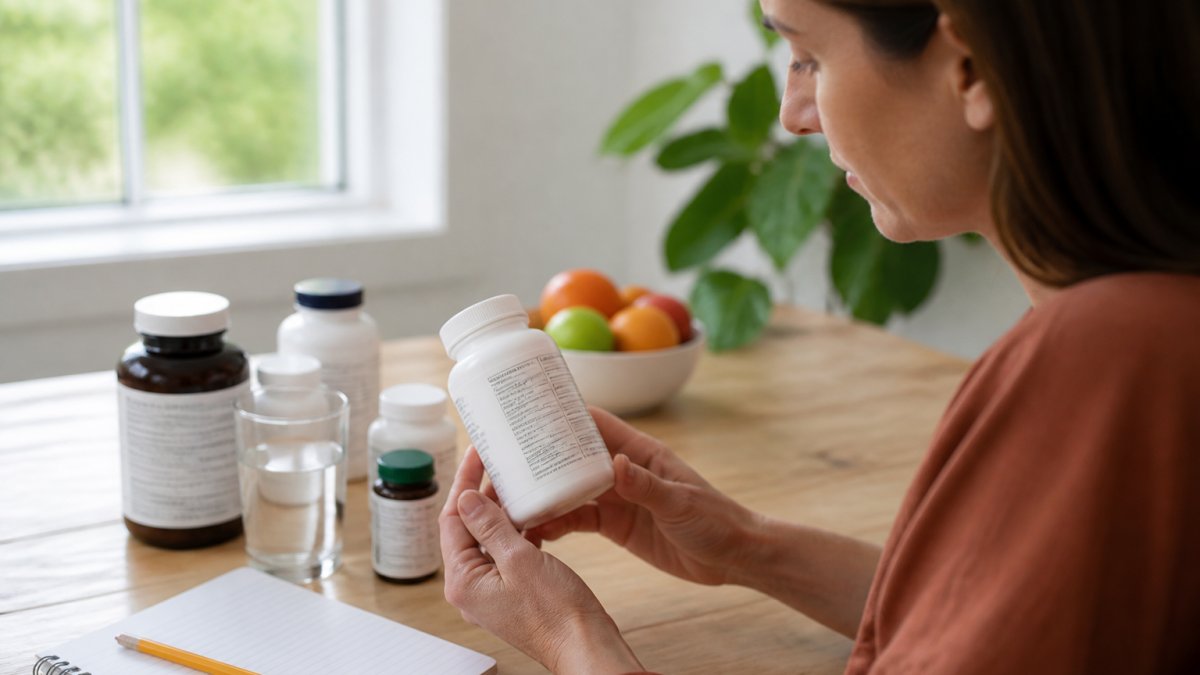
Talk to a clinician first. This is especially important if you take prescription medications, are pregnant, are managing a chronic condition, or are considering doses above the label recommendation.
Flu-Jack supplements are formulated with natural ingredients chosen to support immune health as part of a complete routine. We focus on quality ingredients at sensible dosages because preparation matters, and because honest claims matter more.
Prioritize Sleep and Immune System Recovery
Your immune system does critical repair work while you sleep, which is essential to boost immunity flu season. Most adults need seven to nine hours nightly for optimal immune function (sleep.org).
Poor sleep disrupts the production of immune cells. It also increases inflammation in your body. Both effects make you more vulnerable to infection.
Start improving your sleep habits now, not in December. Your sleep schedule affects how quickly your body adjusts. Gradual changes work better than sudden shifts.
Create a consistent bedtime and wake time, even on weekends. This routine trains your body's internal clock.
Reduce screen time one hour before bed. Blue light from phones and tablets interferes with melatonin production. This hormone signals your body to sleep.
Keep your bedroom cool and dark. Most people sleep best in temperatures between 60 and 67 degrees Fahrenheit. Use blackout curtains or an eye mask to block light.
Build Exercise and Hydration Into Your Routine
Regular physical activity strengthens your immune system. Exercise increases circulation, which helps immune cells move through your body more effectively.
Aim for at least 150 minutes of moderate activity each week (the CDC). This could be brisk walking, cycling, swimming, or dancing.
Start now so exercise becomes a habit before flu season.
Hydration is equally important. Water helps your immune cells function properly. It also helps your body flush out toxins and waste products.
Drink half your body weight in ounces of water daily. If you weigh 150 pounds, aim for 75 ounces daily.
Herbal teas count toward your hydration. Warm drinks also soothe respiratory passages. Try ginger tea, turmeric tea, or plain warm water with lemon.
Strengthen Hand Hygiene and Environmental Practices
Hand hygiene is your most powerful tool against viral spread. The flu virus lives on surfaces and spreads through hand contact.
Wash your hands frequently throughout the day:
- After being in public spaces
- Before eating or preparing food
- After touching your face, eyes, or nose
- After using the restroom
- When you come home from outside
Use warm water and soap. Scrub for at least 20 seconds, about the time it takes to sing "Happy Birthday" twice.
Hand sanitizer works when soap and water aren't available. Choose a sanitizer with at least 60% alcohol content. Rub it thoroughly over all hand surfaces until dry.
Clean frequently touched surfaces in your home regularly:
- Doorknobs and light switches
- Remote controls and phones
- Kitchen counters and tables
- Bathroom surfaces
Use a disinfectant spray or wipes. Let surfaces stay wet for the time specified on the product label. This contact time lets the disinfectant kill germs effectively.
Avoid touching your face throughout the day. The flu virus enters your body through your eyes, nose, and mouth.
Know When to Seek Care and What to Do if Symptoms Develop
Despite your best efforts, you might still get sick.
Watch for these symptoms that suggest flu:
- Sudden fever (often 101°F or higher)
- Body aches and chills
- Cough and sore throat
- Fatigue and headache
- Congestion or runny nose
Flu symptoms appear suddenly, unlike cold symptoms that develop gradually.
Contact your doctor if you experience:
- Difficulty breathing or chest pain
- Confusion or severe weakness
- Persistent vomiting
- Symptoms that improve then suddenly worsen
These signs suggest complications that need medical attention. Don't wait to see if symptoms improve on their own.
If you have mild flu symptoms, rest at home. Stay hydrated and avoid spreading the virus to others.
Antiviral medications work best when started within 48 hours of symptom onset.
If you're in a higher-risk group, discuss your specific situation with your doctor before flu season.
Preparing your immune system before flu season gives you the best chance at staying healthy.
Flu-Jack supplements are designed to support immune health as part of your complete wellness routine.
Frequently Asked Questions
When should I get a flu vaccine before flu season?
The CDC recommends getting your flu shot in September or October, ideally 2-4 weeks before influenza begins circulating in your area. If you miss that window, vaccination through December or later still offers protection. Your immune system needs 1-2 weeks after vaccination to build antibodies, so timing matters for peak immunity when flu season peaks in January and February.
What are the best vitamins for immune support during flu season preparation?
Vitamin C, vitamin D, and zinc are well-researched nutrients that support immune function. Vitamin D is especially critical because many people have low levels in fall and winter. Look for supplements with third-party testing and transparent ingredient lists.
How much sleep do adults need to support immune health?
Adults need 7-9 hours of quality sleep per night to maintain strong immune function. During sleep, your body produces cytokines that fight infection and inflammation. Poor sleep weakens your ability to fight viruses. Consistency matters: aim for the same bedtime and wake time daily, keep your bedroom cool and dark, and avoid screens 30-60 minutes before bed to improve sleep quality.
Can supplements alone prevent the flu?
No supplement can guarantee flu prevention. Vaccination remains the most effective tool, preventing 40-60% of infections depending on the strain match. Supplements support your immune system but work best alongside vaccination, good nutrition, sleep, exercise, and hygiene practices. Think of supplements as one layer in a multi-layered defense, not a replacement for proven prevention methods.